
Most patients don’t like to visit a medical office and wait for long periods for a busy doctor to poke and prod them while wearing a flimsy hospital gown. This is why patients only see their primary care physician if there is a problem. But, we may be looking at the role of medicine in the wrong way. Medicine isn’t only about curing ailments and diseases but about preventing them altogether, and that’s what medical check-ups can provide for you.
In this article, we will explore why preventative medicine is necessary and more beneficial than waiting for a “reason” to visit your doctor.
Preventative Medicine
Internal medicine isn’t only about curing ailments; It’s about preventing them. We cannot prevent cancers and disorders from forming without early screenings, tests, and physical exams. For example, in the United States, 14% of cancers are detected during routine cancer screenings. While this might seem like a low number, many patients forgo their yearly exams unless required by their insurance companies. The number represents more people than you’d think; each one is grateful they had their routine cancer screenings.
Genetic Testing
It’s wise to undergo genetic testing, which can be performed through providers like 23 and Me, My Heritage, and Ancestry. Your genetic testing results are always at your disposal to review. In addition, you can ask for an internist’s perspective on your results and see if they recommend screenings for certain risk factors.
Yearly Screenings
You might be asking what yearly screenings you should put on your calendar. Some insurance companies will provide their own list of required screenings, while others are more flexible. However, this isn’t about organizations and systems but your health and longevity. The average person should receive the following care each year:
- Tests or screenings that detect diseases early.
- Vaccines (injections or shots).
- Dental cleanings.
- Education and counseling.
Age-Related Preventative Care
As we age, we need different tests and screenings to prevent illness. For example, babies need hearing tests throughout infancy. But as we get older, we only require this test if there is an obvious problem. In addition, this test may be performed later in life as hearing tends to decline with age.
Medical care providers and researchers have broadly suggested that certain tests and screenings be performed at different ages. Let’s examine these medical check-ups further.
Blood Pressure Screening
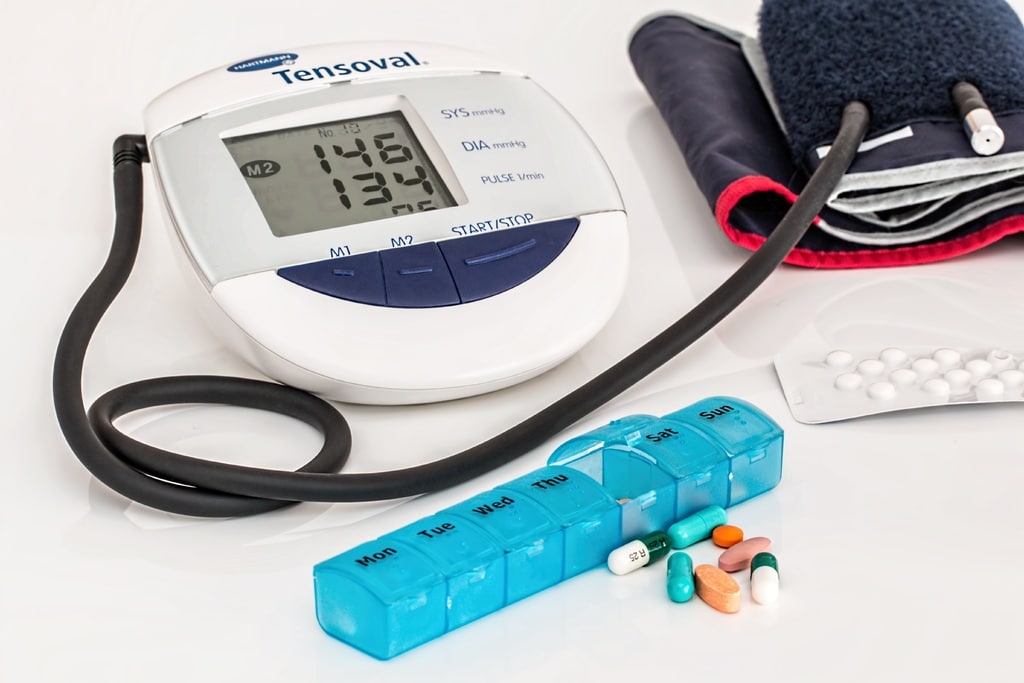
The average 18-39-year-old should receive a blood pressure screening every 3-5 years unless they are at high risk for, or currently have, diabetes, heart disease, kidney problems, or are overweight. Further, those who should receive annual blood pressure screenings are those who are black and those more at risk or have a first-degree relative with high blood pressure.
Cervical Cancer Screening
The average 21-29-year-old woman should undergo a Pap test every three years. Women over 30 should add an HPV test every five years. Women diagnosed with cervical precancer should receive Pap tests for the following 20 years or until they reach the age of 65.
Prostate Cancer
Most men need an annual prostate exam starting at age 50. However, if you are at risk, are black or have defective BRCA1 or BRCA2 genes, or have a family history of men under 65 developing prostate cancer, you will need more regular screenings to detect early signs and treat it effectively.
Family History and Medical Anxiety
Those with a lengthy family history of cancer or other diseases may fear losing their health as their loved ones did. For this reason, some patients avoid receiving medical check-ups because it causes distress to consider the outcome of the results. However, early detection increases the chances for prolonged health and longevity.
Advancements in medical research and technology make screenings and tests not only more effective but much more painless than tests of the past. Speak to your doctor over the phone or request a telehealth visit if you experience medical anxiety. Let your doctor know of your distress and let them help you carve a new path forward as you take your control back and do your preventative screenings.

