
Many countries don’t have enough schools, while their lands and oceans are filled with plastic waste. A factory in West Africa is killing two birds with one stone by making use of this waste and turning it into a material to build classrooms.
The factory in Ivory Coast, funded by UNICEF and Colombian social enterprise Conceptos Plasticos, will be the first of its kind in Africa. By 2021, the factory aims to produce enough plastic bricks to construct 500 much-needed classrooms across the country.
Plastic waste will be collected from polluted areas in and around Abidjan, brought to the factory, then converted to modular plastic bricks. The material will be easy to assemble, durable, and cheap. The bricks will be made from 100% plastic waste, are fire resistant, waterproof, well insulated, and can resist strong winds. Additionally, they are 20% lighter, 40% cheaper, and will last hundreds of years longer than conventional building materials.
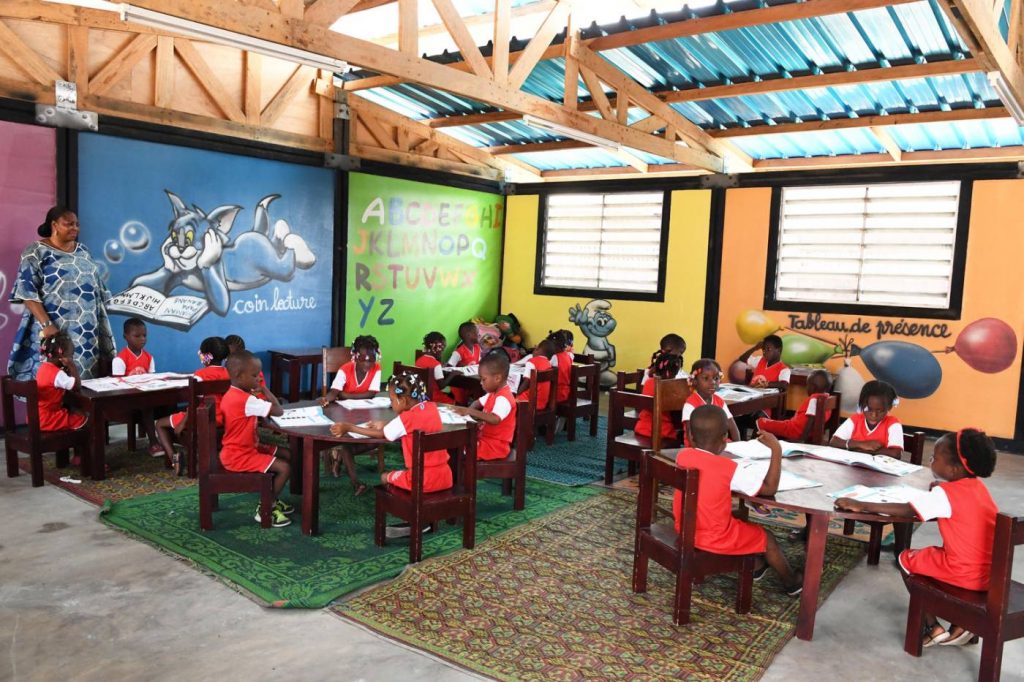
Each plastic-brick classroom will cost around $14,500 to build. The bricks don’t need any cement; they just fit into place like a puzzle piece. “It works like Lego,” said Sophie Chavanel, UNICEF’s head of communication in the Ivory Coast.
Henrietta Fore, the Executive Director at UNICEF, said:
This factory will be at the cutting edge of smart, scalable solutions for some of the major education challenges that Africa’s children and communities face. Its potential is threefold: more classrooms for children, reduced plastic waste in the environment, and additional income avenues for the most vulnerable families.
Currently, as little as one in two West African adults can read, and around 15,000 classrooms are required to meet the needs of children without a place to learn. “By turning plastic pollution into an opportunity, we want to help lift women out of poverty and leave a better world for children,” said Isabel Cristina Gamez, the CEO of Conceptos Plasticos.
Over 280 tons of plastic waste is produced every day in Abidjan alone, of which only about 5% is recycled. Plastic waste pollution makes existing hygiene and sanitation problems more serious. Improper waste management is the cause of 60% of malaria, pneumonia, and diarrhea cases in children, which are the leading causes of death for children in the Ivory Coast.
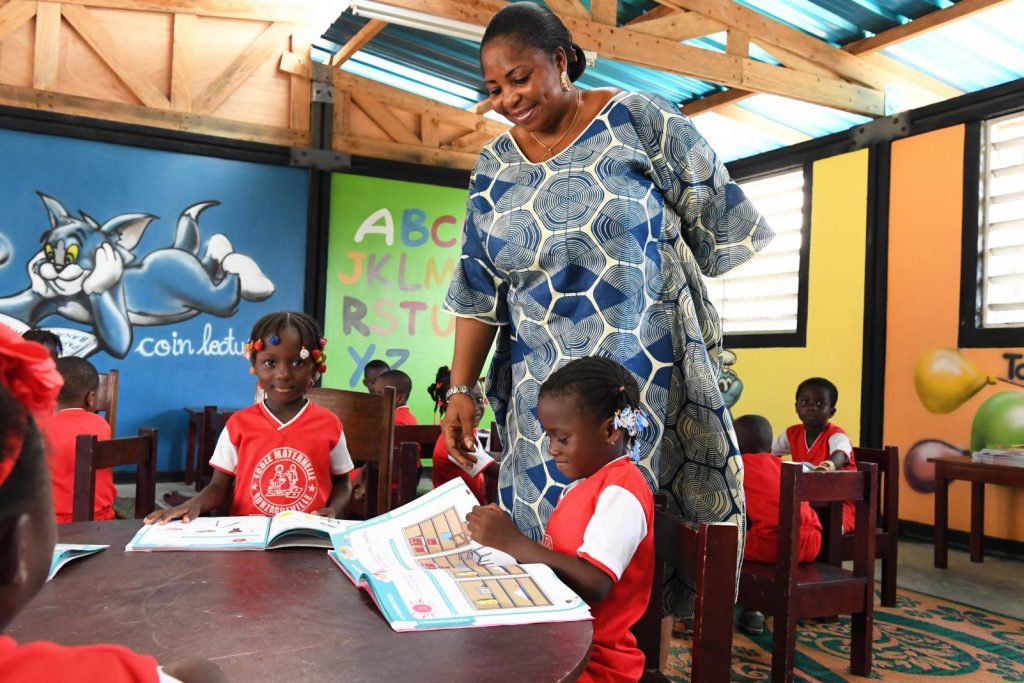
Once the factory is fully operating, it will recycle 9,600 tons of plastic waste each year while providing a source of income to women living in poverty. So far, nine classrooms have been built using plastic bricks made in Colombia to demonstrate the viability of the material and construction methods. The classrooms were constructed in Divo, Gonzagueville, and Toumodi (Abidjan, Ivory Coast).
After this factory in the Ivory Coast has proven successful, they plan to scale this project to other countries in the region, and potentially beyond.


