
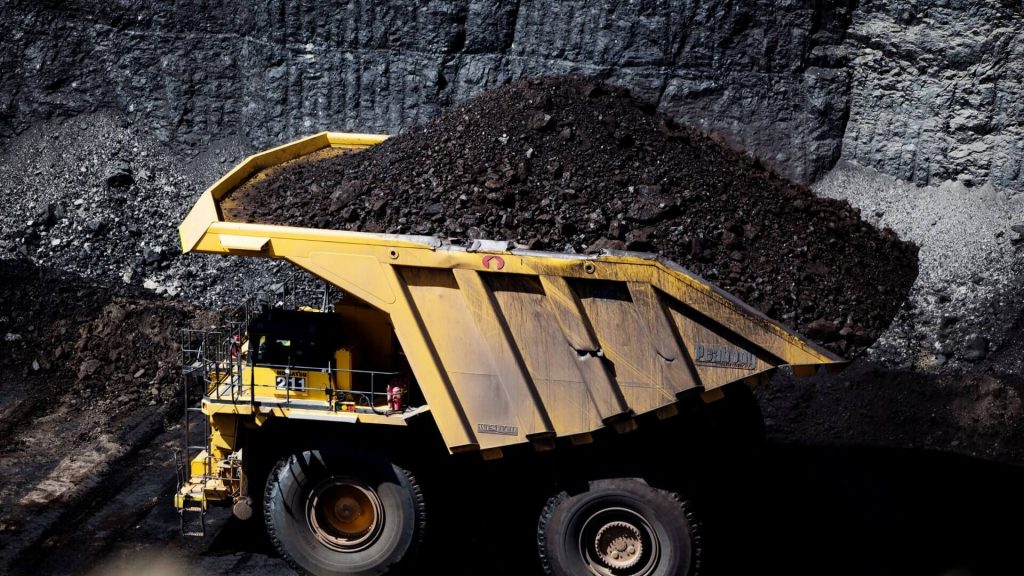
Chubb Ltd., America’s largest commercial insurance company, has become the first major U.S. insurance company to move away from insuring and investing in coal. The company is now one of a dozen others. Several European and Australian insurers have already adopted similar policies.
The company recently announced its new policy which states that it will no longer underwrite the construction of new coal-fired power plants. It will also stop investing in companies that generate more than 30% of their revenues from coal mining or production, in addition to phasing out existing coverage for mining and utility companies that exceed the 30% threshold.
 Evan G. Greenberg, the company’s chair and CEO, said in a statement:
Chubb recognizes the reality of climate change and the substantial impact of human activity on our planet. The policy we are implementing today reflects Chubb’s commitment to do our part as a steward of the Earth.
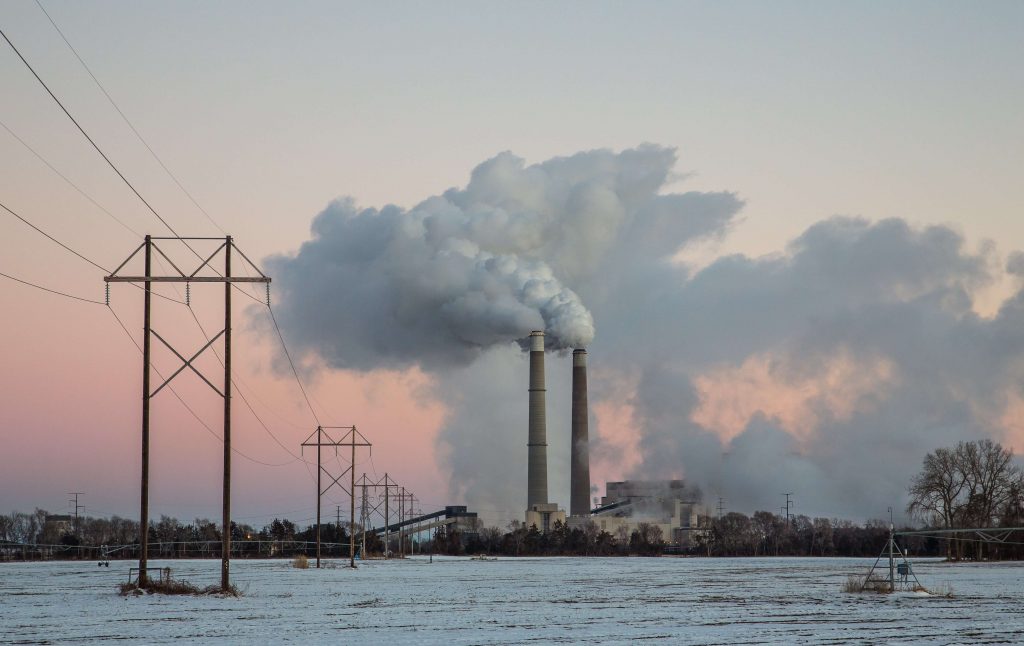 In a report late last year, the United Nations’ Intergovernmental Panel on Climate Change warned that world governments have just 12 years to halve global carbon emissions in order to avoid catastrophic warming. According to their calculations, the cost of climate-related damages caused by a rise in global warming of 1.5 degrees Celsius above pre-industrial levels will be $54 trillion; and at 2 degrees Celsius, that figure jumps to an estimated $69 trillion. At the moment, the world has warmed by 1.1 degrees Celsius from the pre-industrial mark.
A majority of these future costs of climate change will have to be covered by insurance providers. In 2017 and 2018 the global insurance losses from extreme weather and natural disasters reached $219 billion. According to a recent report by Swiss Re Group, a reinsurance company based in Switzerland, this was a record figure for a two-year period. As a result, the Swiss company announced last year that it will no longer insure businesses with more than 30% thermal coal exposure. They did so to support a global transition to a low-carbon economy.
Ross Hammond, senior strategist for the Insure Our Future campaign explained:
The insurance sector controls enormous sums of money through investments and is critical to getting fossil fuel projects approved and financed, meaning insurers “occupy a central role” in determining the severity of future planetary warming. By backing and investing in coal and other fossil fuels, insurers are not only making climate change worse, but ultimately costing themselves more money.
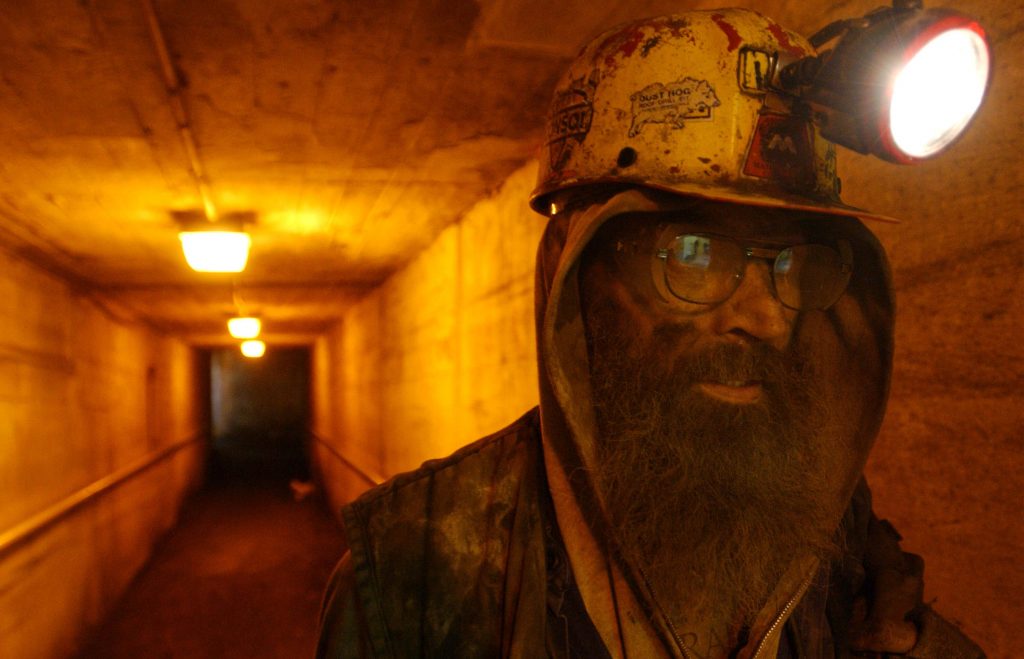
According to the California Department of Insurances Climate Risk Carbon Initiative, Chubb and its subsidiaries have around $2.9 billion invested in fossil fuel companies. Mary Anne Hitt, director of the Sierra Club’s Beyond Coal campaign, said in a statement:
Chubb’s announcement is a clear sign that coal is becoming uninsurable worldwide. With the U.S. industry joining this global trend, governments and power utilities should see that the industry is moving beyond coal.
The company’s deadline to phase out investments for existing coal plants that exceed its 30% threshold will be 2022, at which time Chubb will begin the same process for utilities.


