
Scientists have found unexpected success in their search for a therapy for alopecia areata, an inflammatory disorder that causes hair loss, by repurposing a standard arthritis medicine. According to a new study based on Phase 3 clinical trials, one in three patients with this severe skin condition were able to regrow their hair after taking the medication regularly, offering new hope for an approved treatment for the disease.
Phase 3 clinical trials are the last phase of testing before a new medication can be evaluated for FDA approval in the United States.
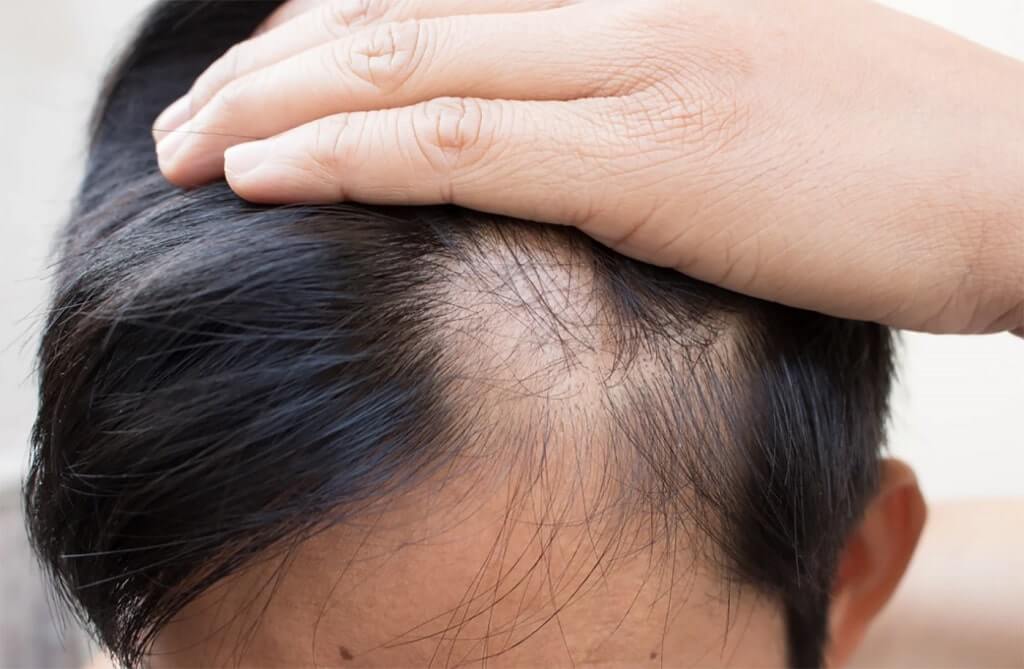
Alopecia areata occurs when the immune system attacks hair follicles, resulting in patchy hair loss in specific parts of the scalp and the eyebrows and lashes in some instances. Every year, more than 200,000 new cases are reported in the United States, with the majority of those affected being under the age of 40. Currently, there are no FDA-approved therapies for the condition.
With this in mind, scientists at Yale University have been exploring using a common rheumatoid arthritis drug called Baricitinib (a Janus kinase (JAK) inhibitor) as a solution, based on the theory that it is an autoimmune treatment that could interrupt the cytokine signaling. Their recent randomized trials involved roughly 1,200 adults with severe alopecia areata who had lost at least half of their scalp hair, and many had lost all of their scalp hair.

Participants were given either 2 milligrams of Baricitinib, 4 milligrams of Baricitinib, or a placebo every day for 36 weeks. One-third of those who were given the higher dose regained their hair. According to the researchers, Baricitinib prevents the condition by blocking the communication of immune cells that cause hair follicle damage. Baricitinib and other JAK inhibitors are commonly used to treat autoimmune joint disease.
Dr. Brett King, the study’s lead author and an associate professor of dermatology at the Yale School of Medicine, said:
“This is so exciting because the data clearly shows how effective Baricitinib is. These large, controlled trials tell us that we can alleviate some of the suffering from this awful disease.”
The researchers are optimistic about Baricitinib’s chances of proceeding from Phase 3 studies to FDA approval as an alopecia areata treatment with these successful results. However, there’s still a long way to go. The researchers are presently conducting clinical trials to determine the efficacy and safety of long-term therapy regimens. Nonetheless, the findings are encouraging and offer hope for alopecia areata patients worldwide.
King added:
“Alopecia areata is a crazy journey marked by chaos, confusion, and profound sadness for many who suffer from it. It will be incredible to have medicine to help people emerge on the other side, normalcy restored, recognizable again to themselves and those around them.”
The study’s co-authors included researchers from Stanford University, Seoul National University College of Medicine, the Kyorin University Faculty of Medicine, Hebrew University of Jerusalem, the University of California-Irvine, and the University of Minnesota, Sinclair Dermatology, and Eli Lilly and Company.
Over the past ten years, King has developed different methods for using JAK inhibitors to treat various skin diseases — including vitiligo, eczema, granuloma annulare, erosive lichen planus, and sarcoidosis. According to King, clinical trials with Baricitinib are still ongoing, which will allow researchers to examine the treatment’s long-term effectiveness and safety. Eli Lilly and Company, who funded the study, employed King as a consultant and the investigator of the clinical trials.
The study results, published on March 26 in The New England Journal of Medicine, were made public during the American Academy of Dermatology’s annual meeting.


