
On January 23, The British Medical Journal (BMJ) launched a divestment campaign against fossil fuel companies called Investing in Humanity. The campaign is being directed toward medical organizations and health professionals, but this is also a big wake up all for all humanity.
Divestment is the opposite of investment. This BMJ campaign calls for the complete removal of investment funds, stocks, or bonds that are unethical and pose harm to human health.
In the BMJ editorial, they point out fossil fuel companies act similarly to the way big tobacco companies did years ago. Fossil fuel companies spend big money to put out false information about climate change, denying the harmful effects it has on our health and the planet as a whole.
Each year these same companies spend countless money paying off politicians and health professionals to help promote and manipulate people with this false information.

Mel Evans is a senior climate campaigner for Greenpeace UK, where she talks about the greenwashing by big business:
For too long fossil fuel giants like BP and Shell, who are causing our climate emergency, have been able to get away with greenwash advertising while investing 97% of their business in oil and gas. Oil and gas firms now find themselves alongside tobacco companies as businesses that threaten the health and well-being of everyone on this planet.
Keith Stewart, a Greenpeace Canada climate and energy campaigner commented on social media: “Fossil fuels are the new tobacco.”
Now the BMJ has had enough. They will accept no money now or in the future from fossil fuel companies for their research. Instead, they will lead the charge to wake people up! They’ll gain an ethical following of health care professionals who will help inform the population. They will offer sound advice from organizations and people who care.
In the editorial, the BMJ named the following organizations that currently back their commitment:
the Royal College of Physicians, the Royal College of General Practitioners, the Royal Australasian College of Physicians, the medical associations of America and Canada, and the BMA, our owner, for committing to divest from fossil fuels.

Last week The Guardian newspaper joined the divestment and became the first major international newspaper to ban accepting any funding from the fossil fuel industry. That ban went into effect immediately.
It’s reported that advertising makes up for about 40% of the Guardian Media Group’s revenue, and previously the fossil fuel industry contributed around $655,000.
“It’s true that rejecting some adverts might make our lives a tiny bit tougher in the very short term,” the company said, as reported by The Hill. “Nonetheless, we believe building a more purposeful organization and remaining financially sustainable have to go hand in hand.”
The New York Times reported that in 2019 about £3.7 million was spent on print advertising in Britain by fossil fuel giants such as BP, Shell, Chevron, Exxon Mobil, and Total.
The Guardian reported about the recent decision to divest from fossil fuel companies:
We believe many brands will agree with our stance and might be persuaded to choose to work with us more as a result. The future of advertising lies in building trust with consumers and demonstrating a real commitment to values and purpose.
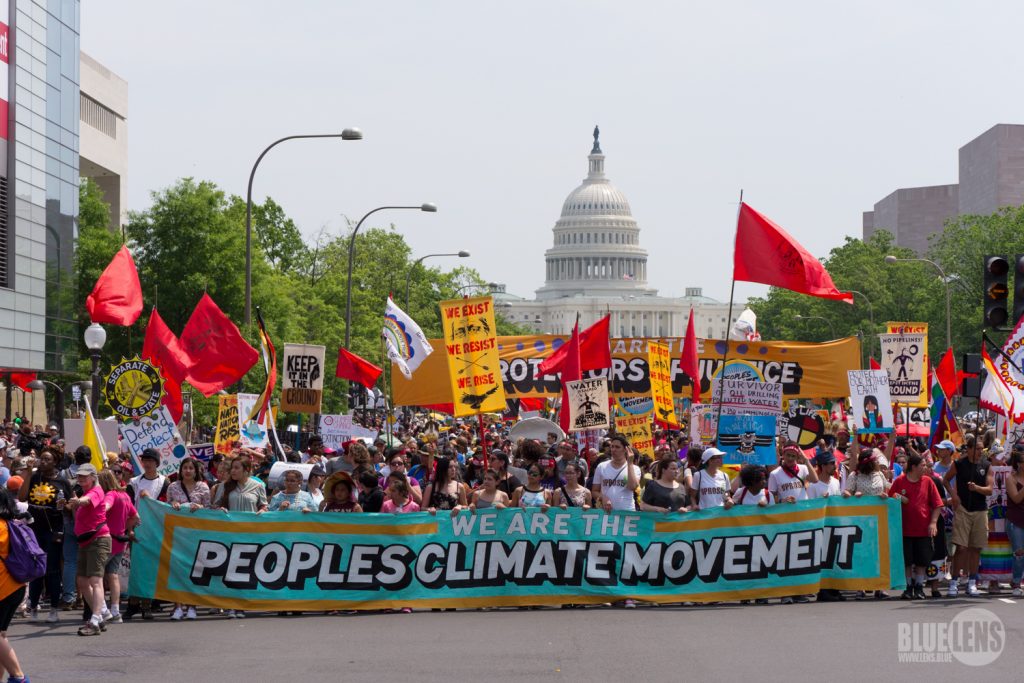
On an individual level, people can get behind these medical organizations and companies that are choosing to divest from fossil fuels. We can make conscious choices about the products we buy, and how we invest our money.
As the authors of the editorial, executive editor Kamran Abbasi and editor in chief Fiona Godlee so eloquently point out:
Evidence for the effects of the politico-commercial complex is clear and alarming. On our current trajectory, we will miss carbon emission targets and sustainable development goals, both agreed by international consensus.
For those organizations or health care professionals that would like to join in this campaign, you can sign the declaration of intent.


