
Imagine a world where a natural remedy could boost your memory, protect your brain from age-related decline, and even combat anxiety and depression—all while being a delicious addition to your diet. This isn’t a far-fetched fantasy but a reality that millions of people around the globe are starting to embrace, thanks to the rising interest in Lion’s Mane Mushrooms.
Lion’s Mane Mushrooms, scientifically known as “Hericium erinaceus,” have been revered for centuries in traditional Chinese and Japanese medicine. These white, shaggy fungi, resembling a lion’s mane, grow on dead or decaying hardwood trees and are packed with compounds that can improve your brain’s health and functionality. In recent years, scientific studies have shown that these mushrooms potentially offer even more than traditional wisdom suggested. From enhancing cognitive function to protecting against neurodegenerative diseases like Alzheimer’s and Parkinson’s, Lion’s Mane Mushrooms are being hailed as a natural miracle for brain health.
This article delves into the legacy, scientific backing, and potential future uses of Lion’s Mane Mushrooms. By simplifying complex scientific terms and weaving together stories from ancient practices and modern research, we aim to make this powerful natural remedy accessible and understandable to everyone.

Scientifically Proven Benefits of Lion’s Mane Mushrooms
Historical Legacy in Traditional Asian Medicine
Lion’s Mane mushrooms have held a significant place in traditional Chinese and Japanese medicine for centuries. In these cultures, they have been used to treat various ailments, including digestive issues and mental health problems. The ancient practitioners believed that consuming these mushrooms could bestow longevity and sharpen the mind, helping one stay mentally agile as they aged. Known locally as “hou tou gu” or “yamabushitake,” these mushrooms were often consumed in teas, soups, and other culinary preparations.
Modern Revival in Dietary Supplements
Today, the modern world is rediscovering the value of Lion’s Mane mushrooms, fueled by a crescendoing interest in natural and holistic health remedies. They are increasingly available in various forms, including capsules, powders, and even coffees. Driven by a desire to avoid synthetic drugs and their side effects, people are turning back to nature, and Lion’s Mane Mushrooms are emerging as a popular choice. This revival is backed by a growing body of scientific research that validates many of the ancient claims about their health benefits.

Enhancing Cognitive Functions
Improved Memory and Focus
Numerous studies have affirmed that regular consumption of Lion’s Mane mushrooms can lead to significant improvements in cognitive functions. For instance, a study highlighted that elderly individuals who consumed Lion’s Mane supplements for several months showed noticeable improvements in their cognitive abilities, such as memory and focus.
The unique compounds in these mushrooms help foster the growth of neurons, thus enhancing brain function and making it easier for individuals to recall information and concentrate on tasks. If you’re looking for a boost in cognitive performance, you might consider supplements like CogniUltra or NeuroRise, which incorporate Lion’s Mane for enhanced brain health.
Protection Against Neurodegenerative Diseases
Neurodegenerative diseases like Alzheimer’s and Parkinson’s are marked by the gradual loss of neuron function and structure. These conditions often result in severe cognitive decline and memory loss. Research has shown that the bioactive compounds in Lion’s Mane mushrooms can protect against such diseases by promoting neuron health and reducing the accumulation of amyloid-beta plaques—protein fragments that form in the brains of Alzheimer’s patients. Additionally, these compounds help in reducing oxidative stress and inflammation, which are major contributors to these diseases.
Active Compounds: The Science Behind the Benefits
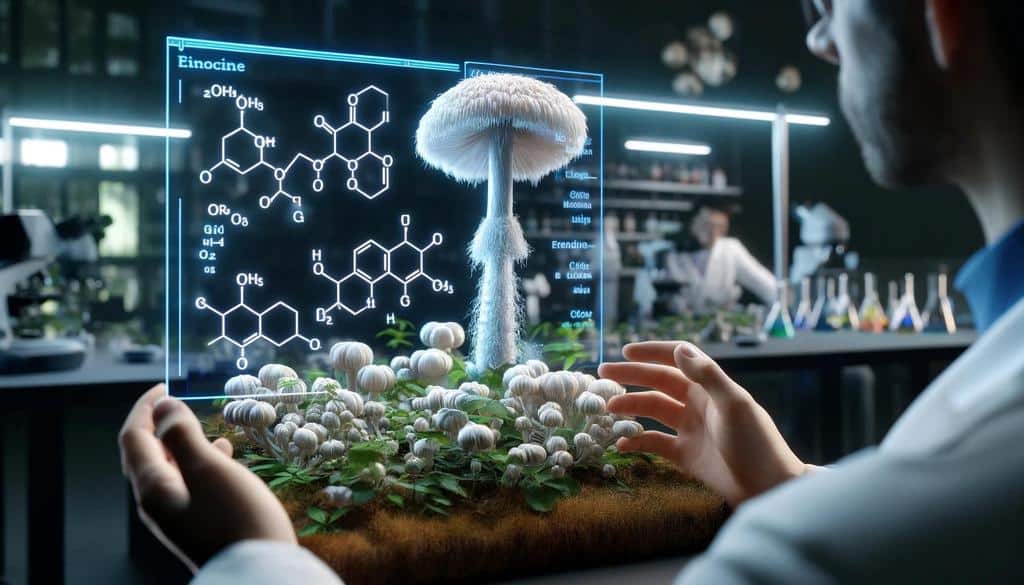
Scientifically, Lion’s Mane mushrooms ‘Hericium erinaceus’ are fascinating due to the various bioactive compounds they contain. These compounds are the key to understanding why these mushrooms have such profound health benefits.
Key Bioactive Compounds in Lion’s Mane
Erinacines and Hericenones: Nerve Growth Promoters
One of the most exciting discoveries in modern research is the identification of bioactive compounds in Lion’s Mane mushrooms, known as erinacines and hericenones. These compounds play a crucial role in promoting the expression of nerve growth factors (NGFs).
To understand why NGFs are essential, think of them as the brain’s “miracle grow.” NGFs are proteins that help grow, maintain, and protect the neurons (brain cells) that transmit information. As we age, the production of NGFs declines, leading to a slow but steady deterioration in cognitive abilities.
Research has shown that erinacines and hericenones stimulate the production of these NGFs significantly. This stimulation helps repair damaged neurons and encourages the growth of new ones, which is vital for learning, memory, and overall cognitive function. In other words, the ability of Lion’s Mane to stimulate the production of these NGFs can help in repairing damaged neurons and fostering the growth of new ones, a process vital for maintaining a healthy brain.

Other Compounds: Antioxidants and Anti-inflammatory Agents
Aside from erinacines and hericenones, Lion’s Mane Mushrooms are loaded with antioxidants and anti-inflammatory agents. Let’s break these terms down:
Antioxidants:
These are compounds that protect your cells from damage caused by free radicals. Free radicals are unstable molecules that can harm your body, leading to chronic diseases like cancer and neurodegenerative disorders. Antioxidants neutralize these harmful molecules, thereby protecting your cells. This protection is crucial because oxidative stress (an imbalance between free radicals and antioxidants) is linked to various chronic diseases, including those affecting the brain.
Anti-inflammatory Agents:
Inflammation is your body’s natural response to injury or infection, but chronic inflammation can be harmful and is linked to many diseases. The anti-inflammatory agents in Lion’s Mane Mushrooms help reduce this chronic inflammation, particularly in the brain, which can aid in preventing diseases like Alzheimer’s, anxiety, and depression.

Neuroprotective and Cognitive Benefits
One of the most exciting areas of research concerning Lion’s Mane mushrooms is their potential to protect the brain and enhance cognitive functions. The implications for treating and even preventing neurodegenerative diseases are enormous.
Enhancing Cognitive Functions
Improved Memory and Focus
Regular intake of Lion’s Mane has been shown to significantly enhance memory and focus. This improvement is particularly beneficial for older adults experiencing age-related cognitive decline. For instance, studies have reported that individuals who consumed Lion’s Mane supplements for a period of several months exhibited noticeable improvements in their cognitive functions. These benefits arise because the erinacines and hericenones in Lion’s Mane promote the growth and maintenance of neurons, making brain communications more efficient and robust.
Imagine your brain as a city. Over time, roads (neurons) can get damaged or overcrowded. Lion’s Mane works by repairing and expanding these roads, ensuring smooth and fast travel (brain function) around the city.
Protection Against Neurodegenerative Diseases
Neurodegenerative diseases, such as Alzheimer’s and Parkinson’s, are marked by the gradual loss of neuron structure and function. These conditions lead to severe cognitive decline, memory loss, and other debilitating symptoms. Here’s where Lion’s Mane shows its might.
The compounds in Lion’s Mane can reduce the formation of amyloid-beta plaques, which are clumps of protein fragments found in the brains of Alzheimer’s patients. These plaques are essentially roadblocks in our brain city, disrupting the flow of information. By reducing these plaques, Lion’s Mane helps maintain smoother brain function.
Moreover, the antioxidants and anti-inflammatory agents in the mushrooms protect neurons from oxidative stress and inflammation, both of which are significant contributors to neurodegenerative diseases. This protection ensures that neurons live longer and function better, thereby slowing down the progression of these diseases.

Mental Health and Overall Well-Being
Beyond its potential to enhance cognitive functions and protect against neurodegenerative diseases, Lion’s Mane Mushrooms may also benefit mental health. This makes them a multifaceted natural remedy worthy of attention.
Alleviating Anxiety and Depression
Neurotransmitter Modulation
Mental health conditions like anxiety and depression are often linked to imbalances in brain chemicals called neurotransmitters. These chemicals—serotonin, dopamine, and norepinephrine—play crucial roles in regulating mood, motivation, and overall mental well-being. Lion’s Mane mushrooms have been shown to affect the levels of these neurotransmitters positively.
Studies suggest that compounds in Lion’s Mane can increase the levels of serotonin and dopamine, both of which are vital for mood regulation. Higher levels of these neurotransmitters help reduce feelings of anxiety and depression, contributing to a more balanced and positive mental state.
Reducing Stress and Enhancing Mental Clarity
Chronic stress and mental fog can have significant negative impacts on your quality of life. Thankfully, the anti-inflammatory agents in Lion’s Mane mushrooms can help. Inflammation in the brain is a major cause of stress and cognitive impairment. By reducing this inflammation, Lion’s Mane helps improve mental clarity and reduce stress levels, making you feel more focused and less overwhelmed.
For example, animal studies have shown that Lion’s Mane extract can regenerate brain cells and improve the functioning of the hippocampus—the part of the brain responsible for memory and emotional responses. This regeneration helps in creating new neural pathways, which can alleviate symptoms of depression and anxiety.
A Natural Pathway to Better Brain Health
Lion’s Mane mushrooms are a promising natural remedy for enhancing brain health, protecting against neurodegenerative diseases, and improving mental well-being. As research continues, we may soon see these fascinating fungi take center stage in natural health therapies. Their combination of ancient wisdom and modern scientific backing makes them a valuable addition to anyone’s health regimen, highlighting nature’s incredible potential to support our well-being.
It seems wise to stay connected to ongoing developments and explore ways to integrate Lion’s Mane mushrooms into your daily life for enhanced cognitive function, mental clarity, and overall health.
Future Use Cases: Integrative Medicine and Beyond
As we continue to learn more about the impressive benefits of Lion’s Mane mushrooms, their potential applications in modern medicine and beyond are becoming clearer. Researchers and health experts foresee several significant uses, ranging from cognitive enhancement to supportive therapies in mental health.
Potential Applications in Modern Medicine
The bioactive compounds in Lion’s Mane Mushrooms, particularly erinacines and hericenones, make them potent candidates for modern medicinal use. Their neurotrophic (nerve growth-promoting) abilities can potentially be harnessed in developing treatments for neurological conditions. Imagine a future where people with neurodegenerative diseases like Alzheimer’s and Parkinson’s can take a natural supplement to slow down the progression of these conditions, preserving their cognitive functions for longer periods.
Cognitive Supplements and Brain-Boosting Diets
Given their capability to enhance memory and focus, Lion’s Mane mushrooms can be a staple in cognitive health supplements. These could be marketed not only to older adults fearing cognitive decline but also to young professionals, students, and anyone looking to improve their mental performance. Brain-boosting diets incorporating Lion’s Mane could become part and parcel of our daily routines, much like how we value a balanced diet to maintain physical health.
Adjunct Therapy for Mental Health
Lion’s Mane mushrooms show promise as a natural therapy for mental health conditions. Their mood-regulating benefits, supported by scientific research, could offer an alternative or complementary treatment for anxiety and depression. Integrative medicine—combining conventional and alternative therapies—could see Lion’s Mane supplements being prescribed alongside traditional medications to enhance overall treatment effectiveness and improve patients’ quality of life.

Anti-Cancer and Immunomodulatory Properties
While much of the focus has been on the neurological benefits of Lion’s Mane Mushrooms, their anti-cancer and immune-boosting properties are equally compelling. The science behind these benefits opens new avenues for their use in health and wellness.
Supporting Cancer Treatments
Lion’s Mane mushrooms are rich in compounds like polysaccharides and beta-glucans, which have showcased anti-cancer properties in various studies. These compounds work by enhancing the immune system’s ability to fight off cancer cells and inhibiting the growth of tumors. Preliminary research suggests that incorporating Lion’s Mane into oncology (cancer treatment) regimens could help patients endure treatment better by bolstering their immune responses and mitigating some of the adverse effects of chemotherapy.
Enhancing Immunity and Overall Health
Beyond cancer, the immune-boosting properties of organic Lion’s Mane mushrooms offer broader health benefits. The beta-glucans in these mushrooms help stimulate the production and activity of immune cells, fortifying the body’s defenses against infections and diseases. Think of them as natural boosters for your body’s army, making you less susceptible to illnesses and enhancing your overall health and resilience.
Safe Usage and Recommended Dosages
As with any supplement, understanding the correct usage and dosage is essential for maximizing benefits and ensuring safety. Lion’s Mane mushrooms are generally considered safe for most people, but it’s always wise to approach them with informed caution.
Dosing Guidelines
While there are no universally established dosage guidelines for Lion’s Mane, studies suggest that safe and effective doses for cognitive enhancement typically range between 250 mg and 1 g per day. For instance, one study found that taking 1 gram daily for 49 weeks significantly improved cognitive function in Alzheimer’s patients. For those looking to alleviate anxiety and depression, doses of up to 2 grams daily in divided doses have shown positive effects.
It’s important to note that the required dosage may vary based on factors such as age, health status, and specific health goals. Always follow the brand’s guidelines on recommended daily doses and consider starting with a lower dose to assess your body’s response.
Potential Side Effects and Interactions
Lion’s Mane mushrooms are generally well-tolerated, but mild side effects like nausea and stomach discomfort have been reported in some cases. More serious allergic reactions, though rare, can occur, especially in individuals sensitive to mushrooms. Symptoms might include skin rashes or difficulty breathing. If you have a mushroom allergy, it’s best to avoid Lion’s Mane altogether.
People with certain medical conditions or those taking specific medications should exercise caution. For instance, Lion’s Mane may lower blood sugar, so if you are on diabetes medications, it could cause your blood sugar to drop too low. Similarly, its potential blood-thinning effects mean it should be used cautiously with anticoagulant medications. Always consult a healthcare professional before adding Lion’s Mane to your regimen, especially if you are pregnant, breastfeeding, or managing chronic health conditions.

A Natural Pathway to Better Brain Health
In an era where natural health remedies are gaining the spotlight, Lion’s Mane mushrooms stand out as a promising candidate for enhancing brain health and overall wellness. Their rich history in traditional medicine, coupled with modern scientific validation, underscores their potential as a natural remedy for cognitive enhancement, neuroprotection, and mental well-being.
As we continue to uncover the full spectrum of benefits that Lion’s Mane mushrooms offer, integrating them into our health routines could revolutionize our approach to brain health. Whether through supplements, dietary inclusion, or as part of integrative medicinal therapies, these mushrooms hold the key to unlocking better cognitive function, reduced anxiety and depression, and enhanced overall health.
Stay connected to ongoing research and consider exploring how Lion’s Mane mushrooms can become a valuable part of your journey toward optimal health. The future is bright with possibilities, and nature’s pharmacy offers a beacon of hope through these extraordinary fungi.

Disclosure: This post contains affiliate links, which means we may receive a commission if you click a link and purchase something that we have recommended. While clicking these links won’t cost you any extra money, they will help us keep this site up and running! Thank you for your support.