
We’ve been hearing a lot about the damaging effects that burning fossil fuels has on the health of the planet, but it also has devastating effects on the human population’s health. Previous studies found the death toll from fossil fuel caused by air pollution to be 10,000 people a day.
But a new study led by Harvard researchers found that the figure is far worse. Fossil fuel pollution was responsible for 8.7 million deaths worldwide in 2018. That means nearly one in five deaths was caused by air pollution or 18% of them.
The research was a collaborative effort between experts from the University of Leicester, the University of Birmingham, University College London (UCL), and Harvard University. It focused on particulate matter (PM) 2.5 – a type of air pollution consisting of very fine dust particles measuring under 2.5 microns in size.
PM2.5 can arise from tailpipes of vehicles, the burning of fossil fuels, and forest fires. Because the particles are so minuscule, they can penetrate the lungs and enter the bloodstream. Chronic exposure to it can result in severe health issues such as asthma, heart disease, stroke, anxiety, depression, schizophrenia, brain cancer, and even blindness. The global life expectancy average would increase by over a year without fossil fuel emissions, and global health and economic costs would fall by around $2.9tn.
UCL’s Professor Eloise Marais, study co-author, said:
Burning fossil fuels produces fine particles laden with toxins that are small enough to penetrate deep into the lungs. The risks of inhaling these particles, known as PM2.5, are well documented. Our study adds to the mounting evidence that air pollution from ongoing dependence on fossil fuels is detrimental to global health. We can’t in good conscience continue o rely on fossil fuels when we know that there are such severe effects on health and viable, cleaner alternatives.
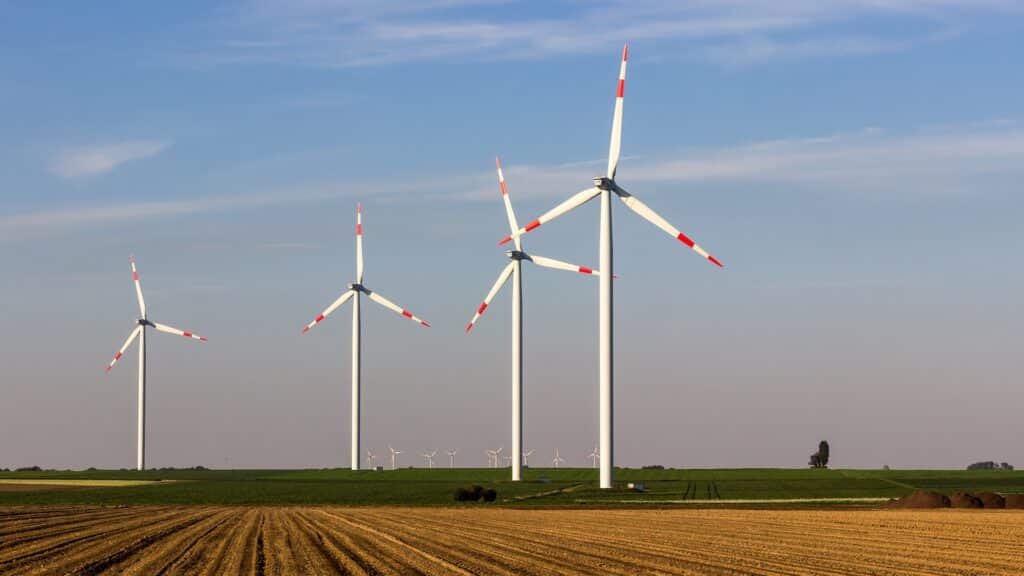
Regions with the highest concentrations of fossil fuel pollution (Europe, Eastern North America, and Southeast Asia) have the highest mortality rates. While globally almost one in five deaths are caused by burning fossil fuels, it’s nearly one in three in Asia!
The horrific toll surprised even the scientists themselves. Study co-author Eloise Marais, a geographer at UCL, told The Guardian:
We were initially very hesitant when we obtained the results because they are astounding, but we are discovering more and more about the impact of this pollution. It’s pervasive.
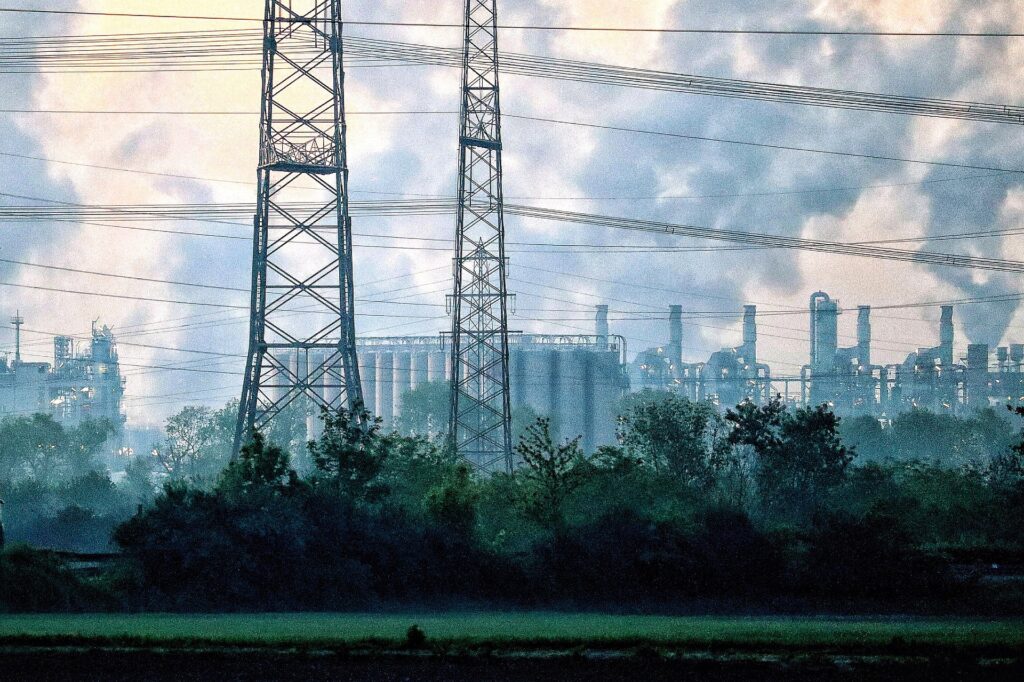
The new study differed from previous research because the scientists used an oxidant-aerosol atmospheric chemistry simulation from NASA instead of just relying on satellites and surface observations.
Study co-author Loretta J. Mickley, a Senior Research Fellow in Chemistry-Climate Interactions at Harvard, said:
With satellite data, you see only pieces of the puzzle. It is challenging for satellites to distinguish between types of particles, and there can be gaps in the data.
Using the advanced model, the team calculated the concentrations of PM2.5 in various locations, and the program divided the entire globe into segments as small as 50 x 60 km (31 x 37 mi). They combined this high spatial resolution with data about where people live. Like this, the team could draw more precise conclusions regarding the type of air people were inhaling daily.
Co-author Joel Schwartz, a Harvard Professor of Environmental Epidemiology, said:
Often, when we discuss the dangers of fossil fuel combustion, it’s in the context of CO2 and climate change and overlooks the potential health impact of the pollutants co-emitted with greenhouse gases. We hope that by quantifying the health consequences of fossil fuel combustion, we can send a clear message to policymakers and stakeholders of the benefits of a transition to alternative energy sources.
The research highlights the importance of policy decisions. Fortunately, reduced air pollution shows health benefits within a week. So the sooner governments act, the better.


