
Smart homes are evolving into intricate networks of connected devices, designed to anticipate and respond to daily needs. From voice-controlled lighting to intelligent climate control, these systems demand seamless integration to deliver on their promise of convenience and efficiency.
As smart thermostats and automated HVAC systems become more prevalent, the complexity of their maintenance and setup increases. Fortunately, certified HVAC technicians are stepping up to meet these challenges. Their expertise bridges the gap between traditional systems and modern smart tech, ensuring reliable performance.
Let’s explore why HVAC certification is essential in today’s high-tech homes.

Mastering Compatibility in Advanced Smart Home Systems
Modern HVAC systems rely on sophisticated algorithms to connect with devices like smart thermostats, sensors, and voice assistants. Without proper installation, these technologies risk underperforming or failing to sync with a home’s ecosystem.
Certified technicians understand the nuances of system architecture, ensuring hardware and software work together seamlessly. A certified technician’s knowledge of protocols like Zigbee or Z-Wave is critical for this integration.
Many smart systems also require precise calibration for optimal performance. Certified professionals can fine-tune HVAC operations, creating a balanced environment where all devices communicate efficiently without disrupting the smart home network.
Meeting the Demand for High-Efficiency Smart Home Installations
Energy-efficient HVAC systems have become a priority as homeowners aim to reduce costs and lower their carbon footprint. Smart homes amplify this need, with automated climate control systems designed to optimize energy use in real time.
HVAC technician certification equips professionals with the necessary skills to succeed. They can effectively assess, install, and maintain systems that meet stringent energy-efficiency standards. They ensure proper integration of features like variable-speed motors and zoning controls for maximum energy savings.
Through advanced training, certified technicians also learn to align system performance with sustainability goals by leveraging smart analytics to adjust operations based on patterns like occupancy or outdoor weather conditions.
The Crucial Role of Expertise in IoT and HVAC Integration
The rise of IoT-enabled HVAC systems brings advanced features, including remote monitoring, predictive maintenance, and energy analytics. To deliver these benefits, smart thermostats, sensors, and connected devices must integrate flawlessly.
Certified technicians specialize in setting up and synchronizing these IoT-enabled components with a home’s network. Their knowledge of system protocols, secure connections, and cloud-based platforms ensures reliable performance and minimal downtime.
Many IoT systems also require firmware updates and custom configurations to operate efficiently. Technicians are trained to manage these technical details, ensuring each device communicates effectively while maintaining the overall integrity of the HVAC infrastructure.
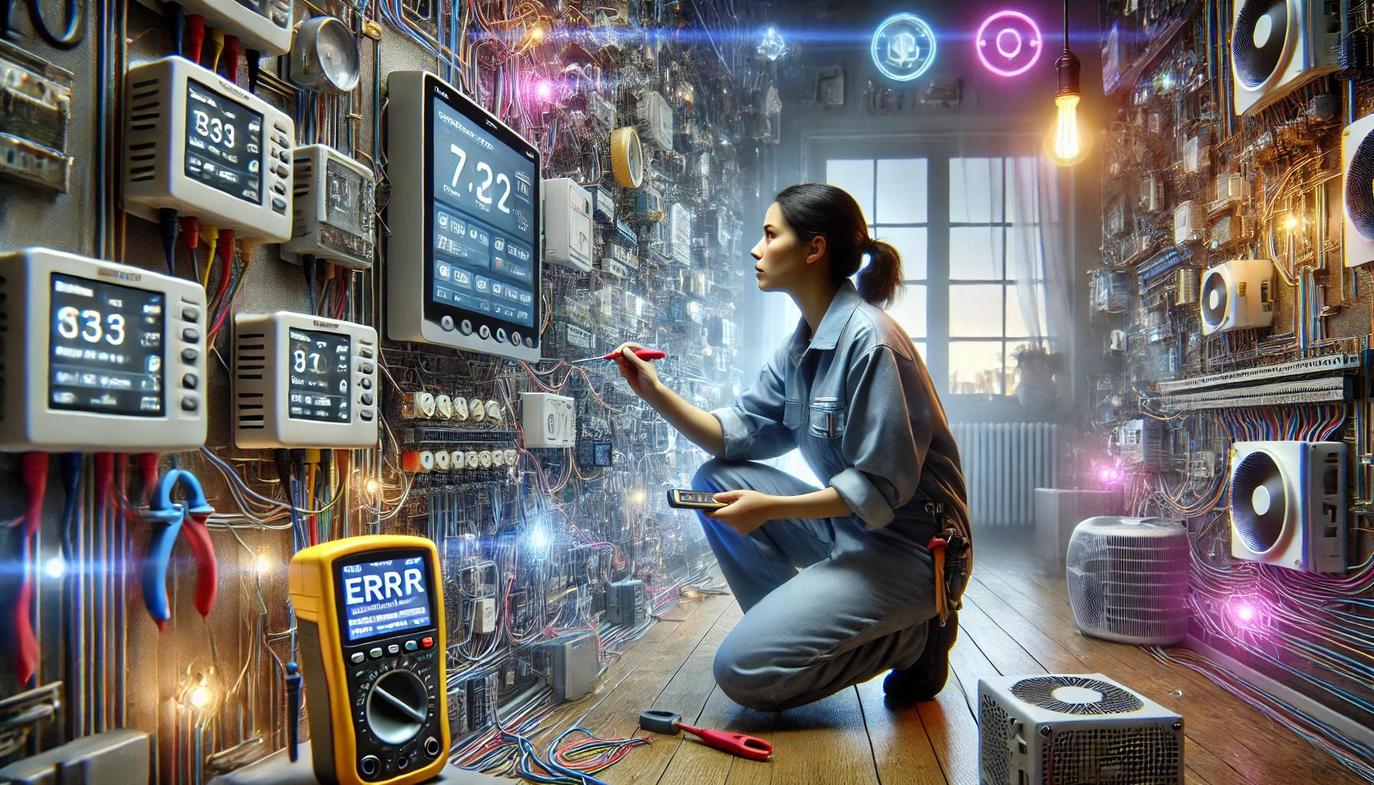
Troubleshooting the Complexities of Interconnected HVAC Systems
Certification programs train technicians to diagnose problems across multi-device networks. Smart homes regularly encounter performance issues due to faulty connections, misconfigured software, or sensor delays that impact HVAC efficiency.
A thermostat may appear broken, but the root cause might lie in a corrupted firmware update or misaligned API settings. Certified pros understand how to isolate variables in systems where HVAC, lighting, and security devices share data paths.
Modern troubleshooting requires digital proficiency alongside mechanical skill, making diagnostic tools, protocol analyzers, and vendor-specific apps standard in a certified technician’s toolkit.
Navigating Regulatory and Safety Standards in Smart Homes
Beyond hands-on skills, certification programs cover evolving codes in several key areas. These include regulations tied to electrical safety, data privacy, and environmental compliance. Smart HVAC systems introduce new layers of risk if improperly installed or configured.
Multiple agencies, including the EPA and local building departments, now regulate smart energy devices and their connections to home infrastructure. Qualified technicians stay updated through ongoing education, ensuring installations comply with both national standards and local ordinances.
Wireless connectivity introduces fire hazards when improperly done. Misconfigured data ports can expose user information. Certification helps techs identify and avoid those risks before they become serious problems.
Building Consumer Trust with High-Tech HVAC Expertise
Smart HVAC systems store user preferences, access patterns, and real-time data that influence temperature and air quality settings. Homeowners want assurance that technicians working on these systems understand how to protect their data and their devices.
Credentials help bridge the trust gap. Licensed technicians bring verified training and accountability, which reassures clients of their commitment to high-quality, thorough work. Confidence builds when the technician explains exactly what each component does and why it matters.
Trust becomes even more important during system failures or upgrades. When personal comfort and privacy are at stake, homeowners rely on verified expertise over guesswork.

The Future is Smart: Elevate Your HVAC Career
The evolution of smart homes has fundamentally transformed the role of the modern HVAC professional. As homes become more interconnected, the demand for technicians who can navigate complex digital ecosystems is no longer a niche requirement—it’s the new standard. Certification is the bridge between traditional mechanical skill and the advanced knowledge needed to install, troubleshoot, and maintain the sophisticated systems that define today’s high-tech residences.
For HVAC technicians aiming to stay ahead in a competitive field, embracing certification is a strategic investment in their future. It not only builds consumer trust and ensures compliance with modern safety standards but also unlocks opportunities to work with the most innovative technologies on the market. As smart homes continue to advance, certified professionals will be essential in ensuring comfort, efficiency, and security for homeowners everywhere.
Frequently Asked Questions
How does HVAC certification prepare technicians for smart thermostats?
HVAC certification programs provide specialized training on the software, wiring, and network protocols (like Zigbee and Z-Wave) that smart thermostats use. This ensures technicians can properly install, calibrate, and sync these devices with the broader smart home ecosystem for optimal performance and energy efficiency.
Can a non-certified technician install an HVAC system in a smart home?
While a non-certified technician might be able to perform a basic installation, they often lack the specialized training to handle the complex integration required for smart homes. A certified technician is equipped to ensure seamless compatibility between the HVAC system and other connected devices, preventing performance issues and ensuring safety compliance.
What kind of troubleshooting skills are unique to certified HVAC techs in smart homes?
Certified technicians are trained to diagnose issues that go beyond mechanical failures. They can troubleshoot problems within interconnected systems, such as software glitches, faulty network connections, sensor delays, or misconfigured API settings that can impact the entire smart home’s efficiency and performance.


