
British people love their Christmas jumpers, also known as “Ugly Sweaters,” but what most of them don’t know is the sweaters are significantly contributing to the world’s plastic pollution problem. Some of the jumpers are emblazoned with flashing lights or alpine motifs.
In 2019 alone, 12 million sweaters were sold to UK residents, even though around 65 million are already hanging in their wardrobes. Every year in December, a publicity push called Christmas jumpers day by the charity Save the Children, has millions of consumers coming to scour shops for festival sweaters.
Research conducted by the environmental charity, Hubbub, found that two out of five Christmas sweaters are only worn one time over the holidays. It also found that every year one in three adults under 35-years-old buys a new Christmas jumper.
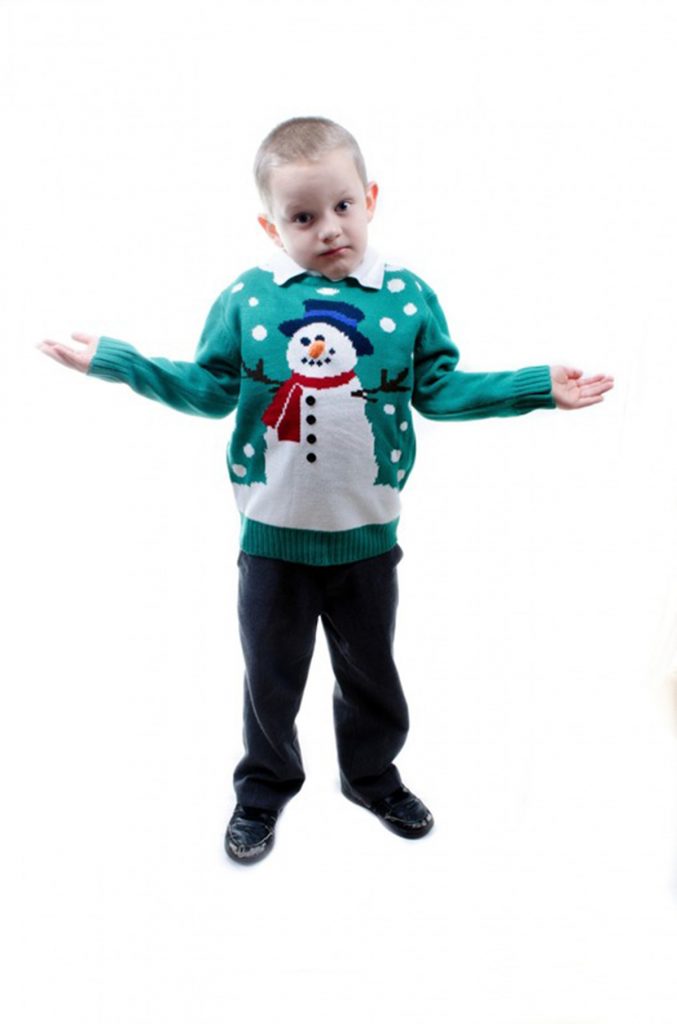
Hubbub analyzed 108 jumpers that were on sale in 2019 from 11 high street and online retailers, including George at Asda, Primark, and Topshop/Topman. The research found that 95% of the sweaters were made wholly or partially of plastic materials. The charity says the garments are significantly damaging to the environment. However, only 29% of consumers know that most Christmas jumpers contain plastic.
Three-quarters of the jumpers tested contained plastic fiber acrylic, with up to 44% made entirely from acrylic. Acrylic releases a lot of micro-fibers when washed, which ends up in the ocean where fish eat it and eventually die from it. A study conducted by the University of Plymouth found that acrylic releases nearly 730,000 micro-fibers per wash.
Sarah Divall, from Hubbub, said:
We don’t want to stop people dressing up and having a great time at Christmas, but there are so many ways to do this without buying new ones. Fast fashion is a major threat to the natural world, and Christmas jumpers are problematic as so many contain plastic. We’d urge people to swap, buy secondhand or re-wear, and remember a jumper is for life, not just for Christmas.

For those who want eco-friendly options, some tips include buying second-hand sweaters at charity shops or vintage bargains and customizing an existing sweater that you already own.
Leah Riley Brown, from the British Retail Consortium, says: “Retailers are making strides to ensure old clothes can be turned into new ones for a more circular economy. They are creating more takeback schemes so clothes can be reused and recycled to divert them away from landfill.”
If retailers can start only to produce recycled clothes with no plastic, then consumers can be assured that the clothes they are buying have a lower environmental impact. Therefore, they can wear their clothes guilt-free.


