
Back in June 2019, a voluntary agreement was made between the Chilean government and the country’s four biggest electric utilities – Colbún, AES Gener, Engie, and Enel – to established a phase-out program for their coal units (which will end no later than 2040). Before that, in January 2018, the four electricity producers had agreed not to build any more coal plants.
These major power providers are part of the Chilean Association of Power Generators – a trade association that represents the power generator companies operating in Chile. Together, they produce over 90% of the country’s electricity and therefore have a massive influence on the kind of energy being provided. Fortunately, they all agree with the need to convert from polluting fossil fuels to clean renewable energy harvesting instead.
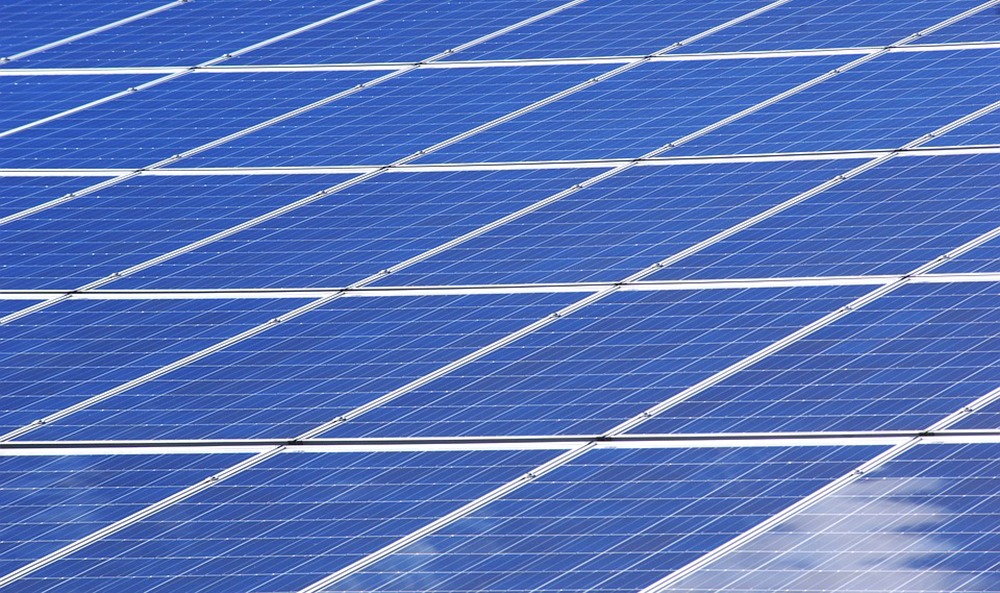
Now, Colbún has applied for environmental approval to build Planta Fotovoltaica Inti Pacha – a 788 MW solar project in the municipality of María Elena, Tocopilla province, in the Antofagasta Region of northern Chile. The proposal was made public in a document published by Chile’s environmental evaluation service.
It plans to build the power plant in three phases as three different units – Inti Pacha 1, Inti Pacha 2, and Inti Pacha 3. The investment has an estimated price tag set at $788 million.

By the end of January 2020, Chile’s cumulative PV capacity stood at 2.76 GW, with 4.25 GW of renewable energy projects currently under construction. Around 55% of those are solar projects.
Fortunately for the nation, and the planet, investors agree the prospects for Chile’s hot renewables market remain strong – regardless of the social unrest that caused the country to relinquish hosting the climate talks in 2019.


