
A vast network of physical and digital infrastructure is the engine that ensures public transit runs smoothly. Tracks, power systems, signals, and stations all work together to move millions daily. Behind each ride is a carefully managed system built for reliability and scale.
Most commuters only see the surface: the train arriving, the bus departing, the tap of a fare card. But beneath that simplicity lies a complex, engineered foundation. This article examines the critical public transit infrastructure that supports daily commutes and enables cities to operate efficiently.
Foundational Pathways: Tracks, Roads, and Tunnels
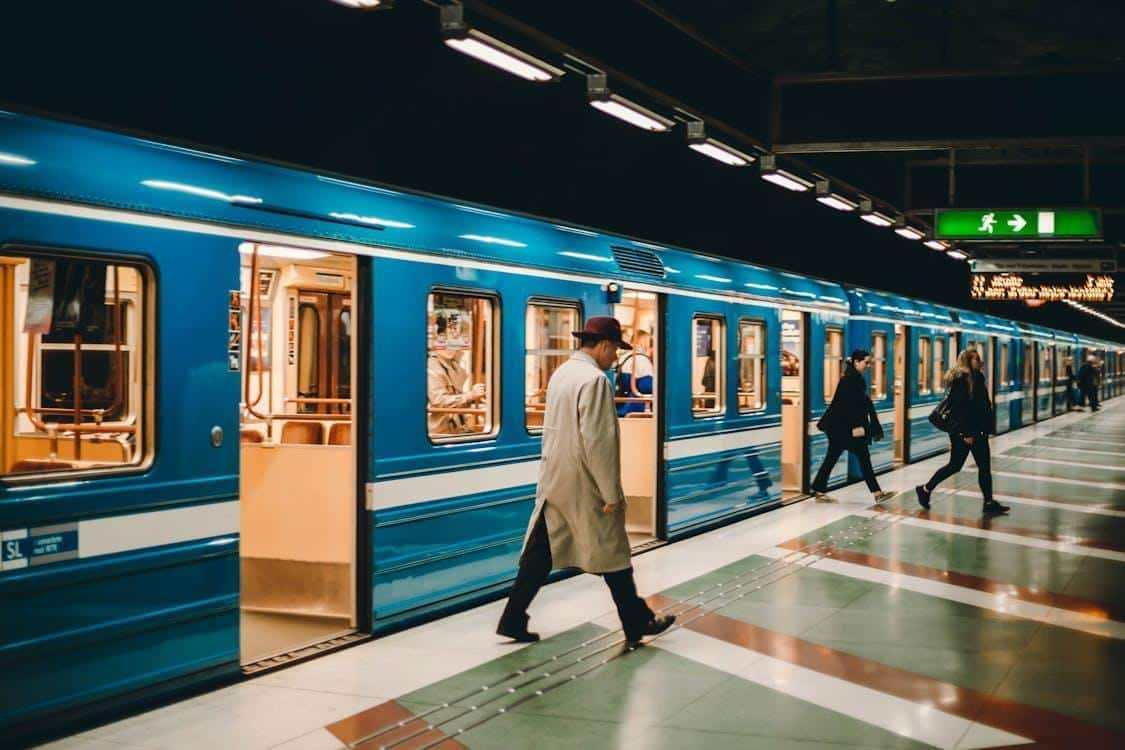
Every transit system starts with its physical foundation. Rail lines, bus corridors, bridges, and tunnels form the fixed routes that carry people across cities. Without them, no vehicle can move efficiently or safely.
Building and maintaining this infrastructure takes planning and investment. Tracks need regular inspection for alignment and wear. Roads must be resurfaced, and tunnels reinforced against moisture, vibration, and the effects of age.
To keep it all in good condition, cities should focus on several key areas:
- Schedule regular preventive maintenance.
- Prioritize dedicated lanes for buses.
- Inspect tunnel and bridge structures often.
Well-kept infrastructure reduces delays, lowers repair costs, and ensures safer commutes.
Energy Grids: Powering Public Transit Fleets
Every transit vehicle depends on a stable and consistent energy source. Trains typically use electric systems such as overhead lines or third rail subway connections, while buses rely on fuel types that range from diesel to fully electric. Careful coordination and ongoing support for this energy infrastructure are essential to keep the system running smoothly.
Key components include:
- Electric delivery systems like substations and third rail networks that power rail lines.
- Fueling and charging stations that support hybrid, natural gas, and battery-powered fleets.
- Backup power and redundancy to prevent service delays during outages or equipment failure.
Energy is the lifeblood of transit. A dependable supply system ensures that public transportation remains efficient, safe, and always on the move.
Guiding The Way: Signal and Central Control Systems
Signals guide every train and bus across the network. They manage timing, spacing, and movement to avoid collisions and delays. These systems run nonstop and must respond to real-time conditions.
Central control rooms oversee everything. Operators use live data to track vehicles, adjust routes, and handle disruptions. When signals fail or go out of sync, the system slows down or stops completely.
To keep control systems reliable, transit agencies should test signal equipment regularly, upgrade outdated software, and train staff on emergency response. A well-maintained signal system keeps transit running safely and on time.
Passenger Hubs: Stations, Stops, and Terminals
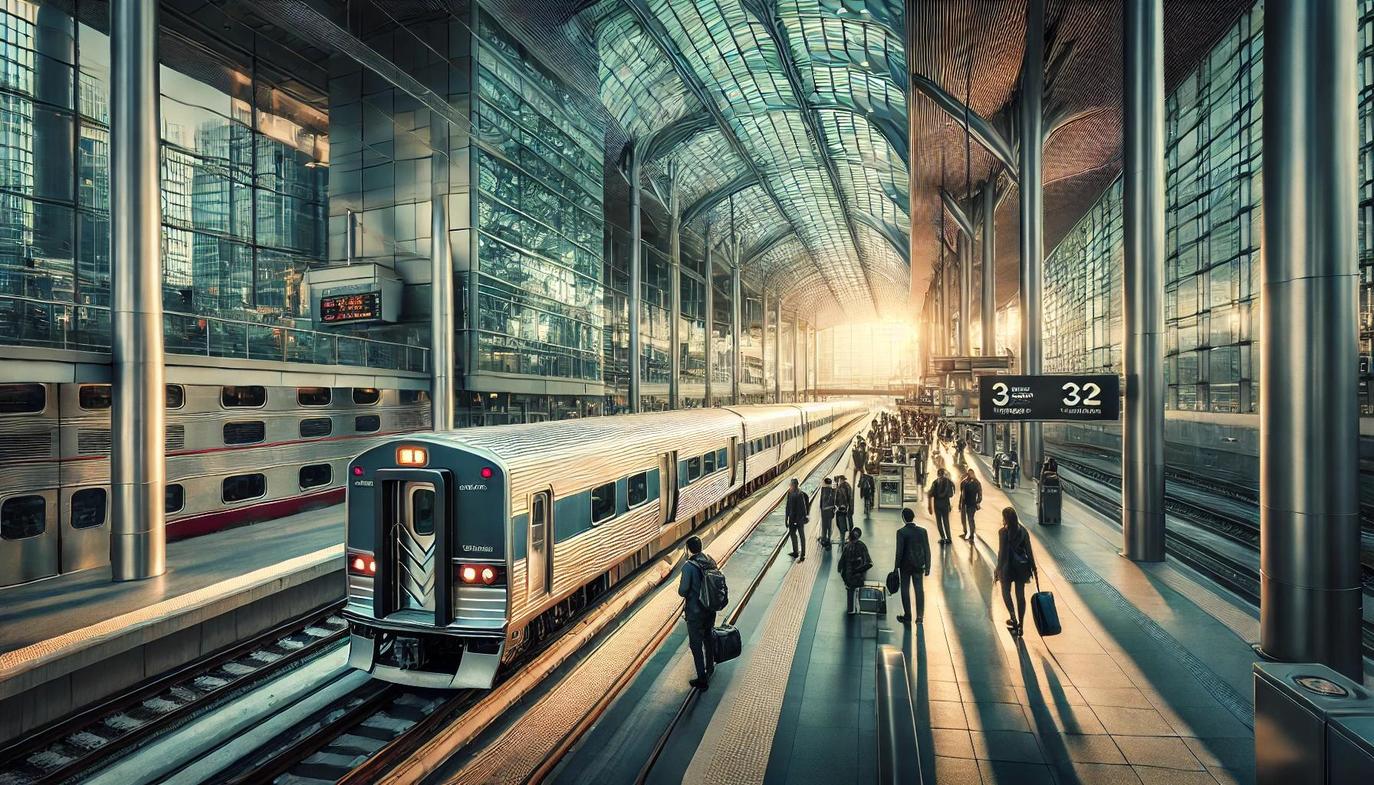
Stations and stops are where the transit system meets the public. These spaces serve as entry and exit points, but they also play a key role in safety, flow, and overall experience. Well-designed and well-maintained facilities help passengers move quickly and feel comfortable.
Focus areas include:
- Accessibility features like ramps, elevators, clear signage, and audible announcements.
- Passenger flow design to reduce crowding and speed up boarding.
- Ongoing cleaning and maintenance to keep spaces safe, functional, and inviting.
By investing in improved stations and stops, transit agencies can enhance both efficiency and rider satisfaction. More than just waiting areas, these locations are vital hubs within the entire transit system.
The Human and Digital Engine: Teams and Technology
Public transit systems rely on large teams that most riders never see. Mechanics, engineers, dispatchers, and IT specialists work around the clock to ensure everything runs smoothly. Each team has a specific role that supports the flow of vehicles and information.
Technology connects every part of the system. Real-time tracking tools monitor buses and trains, while predictive software spots potential failures before they happen. These tools help staff make fast, informed decisions when problems arise.
Transit agencies can improve performance by updating control systems, investing in training, and using data to guide decisions. This blend of skilled teams and intelligent technology is what ultimately creates a dependable, on-time transit system.

The Unseen Network: What Makes Public Transit Reliable?
A city’s public transit system is a complex organism, powered by a vast and often invisible network of infrastructure. From the foundational tracks and tunnels to the sophisticated signal systems that guide every journey, each component is critical for ensuring a safe and efficient commute. The reliability that millions depend on daily is not an accident. It is the direct result of meticulous planning, continuous maintenance, and the seamless integration of power grids, stations, and operational technology.
Ultimately, robust public transit infrastructure does more than move people—it fuels urban economies and connects communities. Recognizing the immense effort from the specialized teams behind the scenes helps highlight the importance of sustained investment in these essential systems. A well-maintained and technologically advanced transit network is the backbone of a thriving, modern city, proving that the journey is just as important as the destination.
Frequently Asked Questions About Public Transit Infrastructure
What Are The Most Critical Parts Of Transit Infrastructure?
The most critical components include the physical pathways like tracks, roads, and tunnels; the power systems that provide electricity or fuel; the signal and control systems that manage vehicle movement; and the stations that provide public access.
How Do Signal Systems Improve Commuter Safety?
Signal systems are essential for commuter safety, as they manage the timing, speed, and spacing of trains and buses. By preventing vehicles from getting too close and guiding them through intersections and switches, they drastically reduce the risk of collisions and other accidents.
Why Is Regular Maintenance So Important For Public Transportation?
Regular maintenance is vital because it ensures all parts of the transit system—from tracks to signals—are in safe working order. Proactive upkeep prevents unexpected equipment failures, reduces long-term repair costs, minimizes service delays, and guarantees a more reliable and secure experience for all commuters.
What Role Does Technology Play In A Modern Transit System?
Technology acts as the digital backbone of a modern transit system. It connects every component through real-time vehicle tracking, predictive maintenance software that anticipates failures, and central control systems that allow operators to manage disruptions and optimize routes for a smoother, more dependable service.


