
A sustainable economy is vital as global populations rise. For example, it is estimated that if every country consumed the same number of raw materials that the US does, we would need eight planets to provide all those resources! Since that’s obviously not possible, several companies have implemented a circular design to their products, allowing us to keep using the products and services we love—without harming the environment.
Here are some of those companies striving for a better planet:
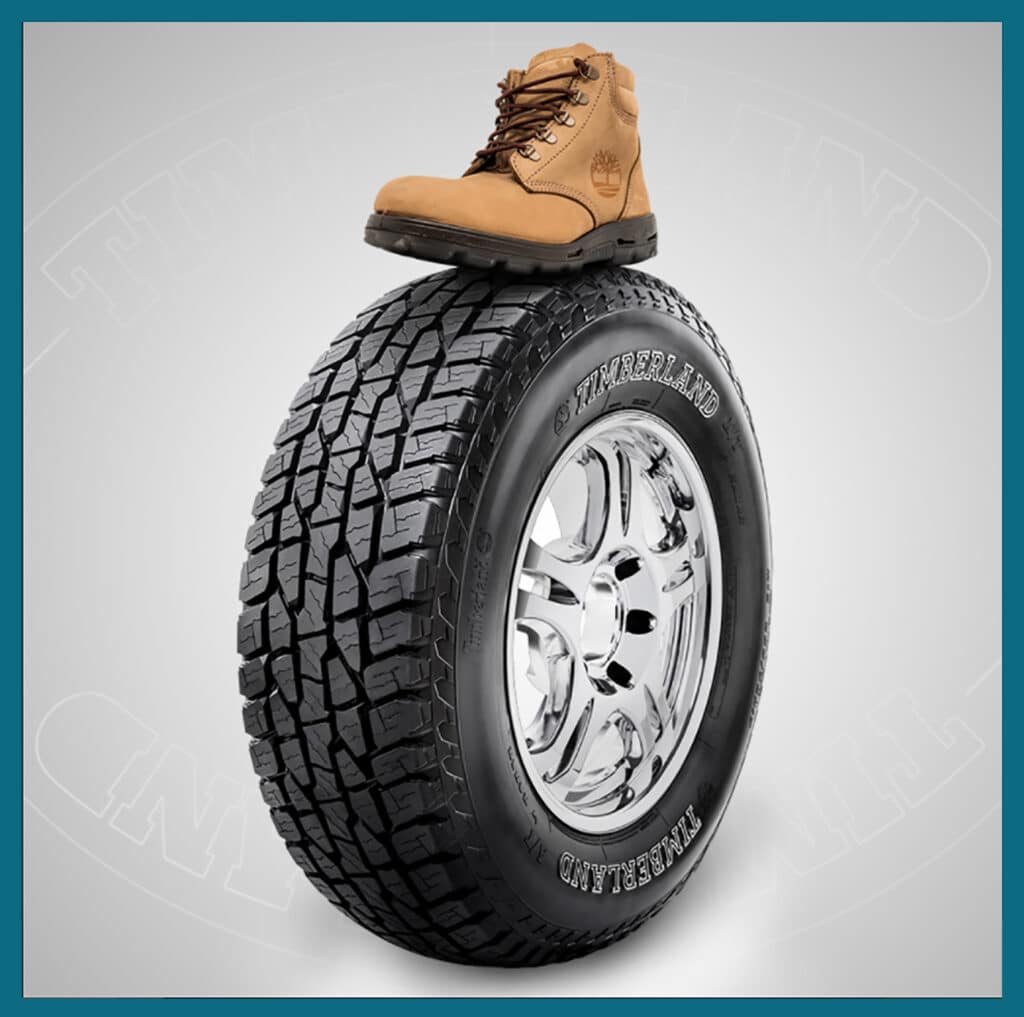
Timberland: Turning Old Tires Into New Shoes
Footwear is one of the biggest consumers of virgin rubber. Timberland joined forces with tire manufacturer and distributor Omni United to produce footwear using recycled tires to address this. Once Timberland Tires have hit the end of their life, they are sent to a recycling facility and converted into crumb rubber. This crumb rubber is then processed into sheet rubber for the outsoles of new Timberland shoes.
Johnson Controls: Recyclable Batteries
Johnson Controls designed a battery that’s 99% recyclable, an incredible feat for a hazardous product so chemically complex. The company encouraged consumers of standard batteries to recycle, and as a result, it received enough material to prevent millions of batteries from the landfills.

Aquazone: From Wastewater to Fertilizer
Finnish company Aquazone developed a method of upcycling wastewater into fertilizer! First, the wastewater is treated biochemically, causing solids, nutrients, and water to separate. Next, the water can be used for irrigation or recycled into drinking water; the leftover sludge is nutrient-rich, making it ideal for use as an organic fertilizer.
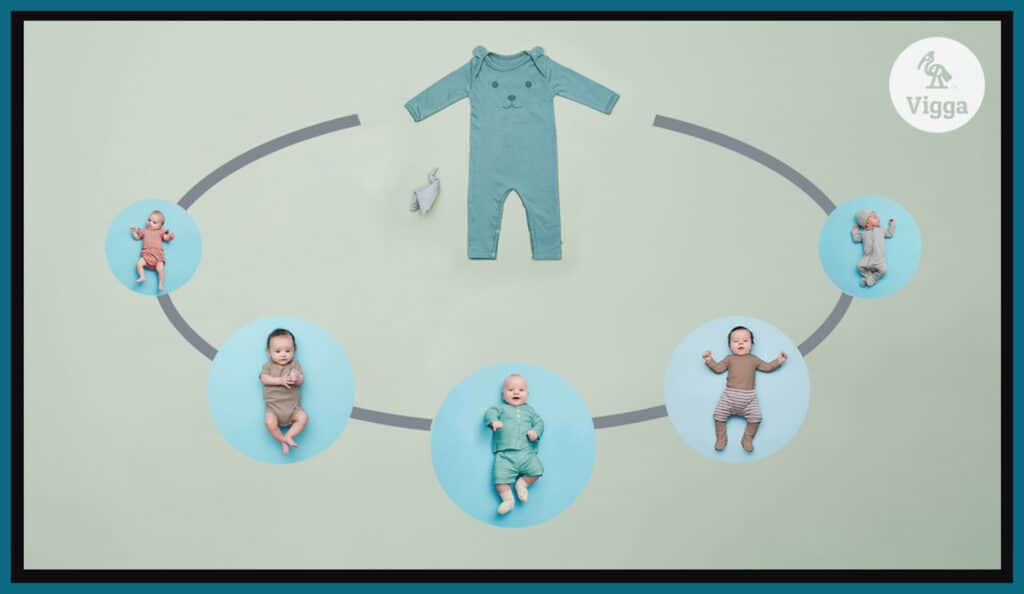
Vigga: A Shared Wardrobe
Danish clothing company Vigga doesn’t turn waste into products but prevents it from forming in the first place by offering a shared economy—an excellent example of a sustainable economy. Vigga is a subscription service that allows parents to lease organic children’s clothing via a circular model, saving time, money, and resources. One monthly subscription to Vigga gets parents twenty pieces of children’s clothing. Once the kid grows out of his clothes, they are returned, and the parent receives another set, one size bigger.
RAW For The Oceans: Upcycling Ocean Trash Into Clothing
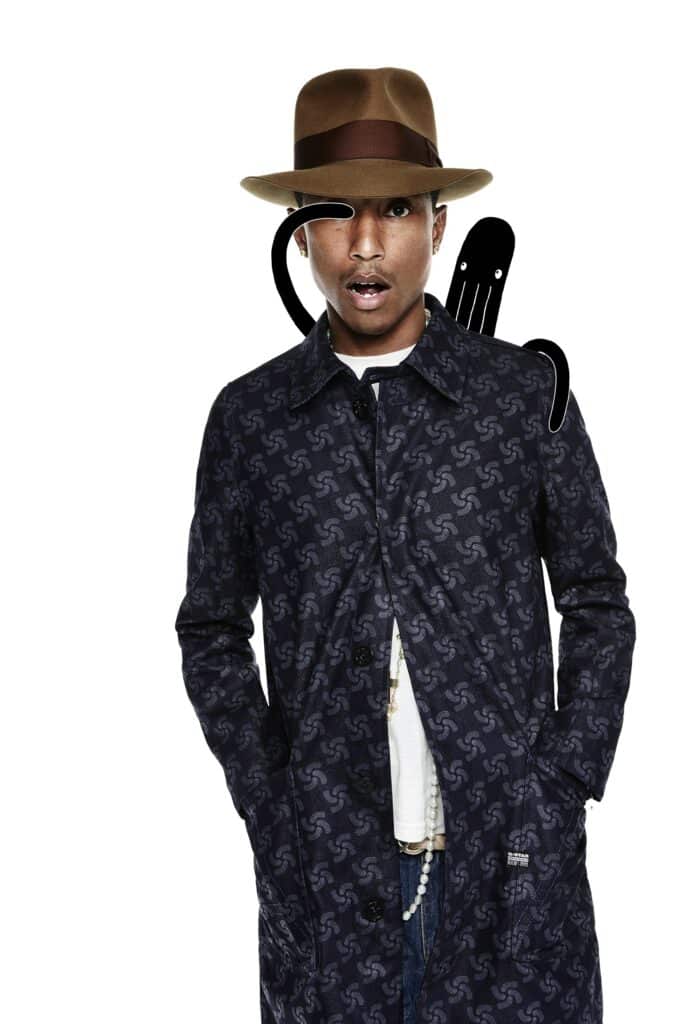
Pharrell Williams’ clothing line RAW for the Oceans recovers plastic collected from the shoreline into wearable fashion, like graphic t-shirts, kimonos, and jeans. This is achieved by crushing plastics and converting them into a weavable clothing fiber known as Bionic Yarn.
Smartwool: Upcycling Old Socks Into Dog Beds
Earlier this year, Colorado-based apparel company Smartwool collected old socks—no matter what the brand—to fill cozy dog beds, saving them from landfills. The company plans to make all products circular by 2030. Another example of how Zogoflex achieves closed-loop recycling is West Paw’s Join the Loop program, which grinds returned toys in its Montana factory and remolds them into new toys on site.


