
Whether it’s your daily commute, a weekend road trip, or running errands under a blazing sun, driving in broad daylight can feel like a visual battle. Between harsh sunlight, windshield glare, and UV exposure, your eyes endure significant strain long before your destination. What’s worse? Many drivers don’t realize how much their vision is strained until it affects their alertness, safety, and even long-term eye health.
In this guide, we’ll explore why driving during the day can wear your eyes down—and how modern lens technology, including features found in brands like Zeelool, is designed to protect your sight and elevate your driving experience.

Why Daylight Driving Puts Your Eyes at Risk
The Impact of UV Rays on Long-Term Eye Health
Sunlight doesn’t just cause skin damage—it’s also a major risk factor for a number of eye conditions. Prolonged exposure to ultraviolet (UV) radiation, especially UVA and UVB rays, can contribute to serious eye conditions, including:
- Cataracts
- Macular Degeneration
- Photokeratitis (sunburn of the eye)
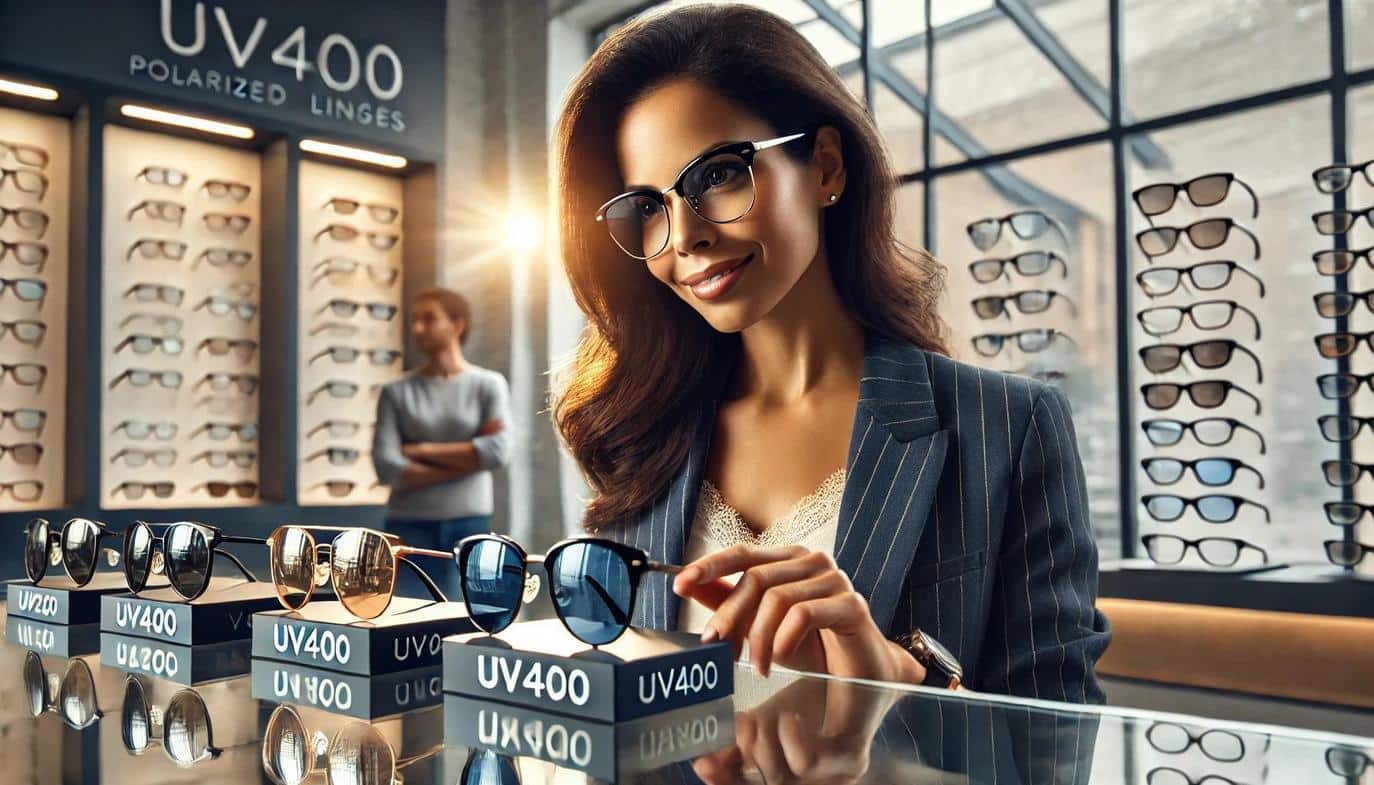
Unlike your skin, your eyes don’t signal damage as obviously. This makes it easy to overlook just how vulnerable they are to cumulative UV exposure over time, particularly while driving—where windshields don’t always block all UV wavelengths. High-quality driving glasses with full-spectrum UV400 protection are essential to prevent this gradual, long-term damage.
How Glare Affects Reaction Time and Visual Fatigue
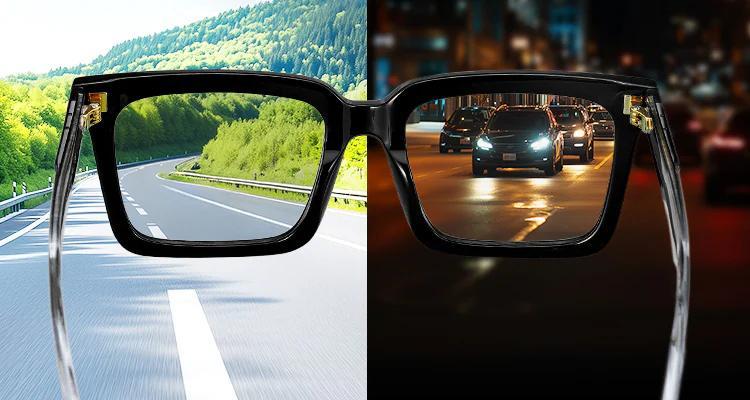
Glare from the road, other vehicles, or even your dashboard isn’t just annoying—it’s dangerous. Bright reflections create excessive contrast, forcing your eyes to constantly adjust. This visual strain can lead to several dangerous outcomes:
- Slower reaction time
- Reduced ability to see road hazards clearly
- Quicker onset of driver fatigue
Studies have shown that visual fatigue is linked to increased driving errors, especially under intense light conditions. Even if your vision is 20/20, glare can make it feel like you’re driving blindfolded for split seconds—moments that matter when you’re behind the wheel.
How Modern Driving Lenses Solve These Problems
The Role of UV400 Filters and Polarization
Modern driving glasses aren’t just tinted sunglasses—they’re engineered optical tools. UV400 filters block nearly 100% of UVA and UVB radiation, offering maximum protection for your corneas and retinas. Polarized lenses take this a step further by cutting horizontal glare from reflective surfaces like pavement, water, and car hoods.
This combination is especially useful when driving because it enhances contrast, improves depth perception, and reduces eye strain. Many people report feeling more relaxed and focused behind the wheel when using polarized UV-blocking glasses.
Anti-Reflective Coatings and Enhanced Contrast
Another key advancement is the anti-reflective (AR) coating. These ultra-thin layers reduce the internal reflections that occur on the backside of lenses. AR coatings work well in tandem with polarization by boosting clarity and enhancing contrast—crucial when driving in fluctuating light conditions like shaded highways or passing clouds.
Together, UV filtering, polarization, and anti-reflective coatings form a trifecta of visual clarity and protection, making every mile safer and more comfortable.
What Makes a Great Pair of Daytime Driving Glasses?
Lightweight Design and All-Day Comfort
Comfort is a crucial consideration when choosing daytime driving glasses. Frames made from lightweight materials like acetate or TR90 nylon can make a big difference during long drives. Look for features that contribute to a fit that won’t distract you:
- Adjustable nose pads
- Soft temple tips
- Ergonomic contours that distribute weight evenly
The best designs minimize pressure points and balance the weight evenly, so your focus should be on the road, not on eyewear discomfort.
Stylish Without Compromising Protection
Gone are the days when functional eyewear meant sacrificing aesthetics. Today’s driving glasses come in a variety of shapes and finishes that can match your personal style while delivering on protection. From matte black aviators to sleek rectangular profiles, there’s no need to choose between style and safety.
Frame styles with wide lenses or wraparound coverage can also offer additional shielding from side light—something that is both stylish and functionally superior.
Zeelool: A Case Study in Functional Style
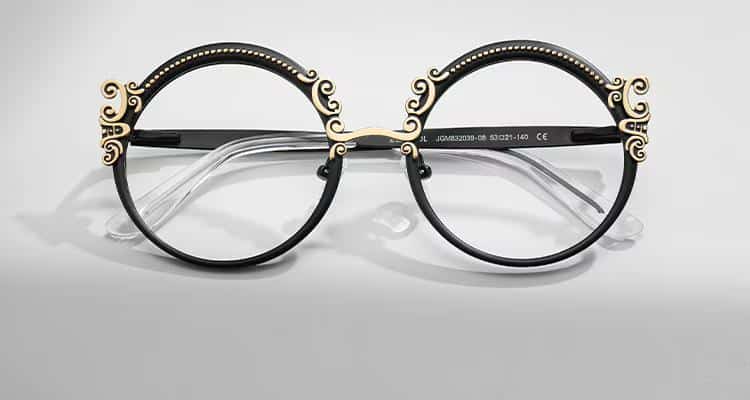
Zeelool offers a notable example of how modern eyewear brands are merging utility with fashion. Known for their affordable, expressive frames, Zeelool now offers several lens options, such as round glasses, with UV protection and anti-glare enhancements. Their collections feature lightweight materials and frame diversity that suits both form and function.
Though Zeelool isn’t positioned solely as a driving glasses company, their lineup includes several models that provide the essential features drivers need—clarity, comfort, and a sleek look that transitions easily off the road.
Choosing Smart: How to Shop for the Right Driving Glasses
Certifications, Materials, and Essential Specs
When buying driving glasses, prioritize specs like:
- UV400 protection: Confirms lenses block 99–100% of UVA/UVB
- Polarization: Reduces horizontal glare from reflective surfaces
- AR Coating: Improves clarity by removing internal reflections
- Lens material: Polycarbonate and Trivex offer impact resistance and lightweight performance
Also look for compliance with ANSI Z80.3 or similar safety standards for sunglasses and protective eyewear.
Price vs. Performance: What Matters More?
While it’s tempting to assume that expensive glasses equal better protection, the relationship between price and performance is more complex. Some affordable brands offer excellent UV-blocking and polarized lenses, while premium glasses may charge more for brand recognition than performance.
Focus on the technical features—not the price tag. A well-built pair under $75 can often outperform a designer brand lacking critical specs. That said, investing in comfort, optical clarity, and a warranty is never a bad idea if you plan to wear them daily.

A Clearer Path to Safer Driving
Driving in daylight is a daily activity that quietly strains our eyes and impacts our safety on the road. The cumulative effects of UV exposure and constant glare can lead to long-term eye health issues and immediate visual fatigue, slowing reaction times when they matter most. Investing in high-quality driving glasses with UV400 protection, polarized lenses, and anti-reflective coatings is not a luxury—it’s an essential measure for protecting your vision. By choosing the right lens technology, you are making a conscious decision to enhance your visual clarity, reduce eye strain, and ensure every journey is safer and more comfortable.
Frequently Asked Questions About Driving Glasses
Are polarized lenses really better for driving?
Yes, significantly. Polarized lenses are specifically designed to filter out horizontal glare that reflects off flat surfaces like wet roads, dashboards, and other cars. This reduction in glare enhances contrast, improves color perception, and reduces eye strain, making for a safer and more comfortable driving experience.
What does UV400 protection actually mean?
UV400 protection means the lenses are engineered to block 99% to 100% of all UVA and UVB light rays with wavelengths up to 400 nanometers. This is the highest level of protection available for sunglasses and is critical for preventing long-term eye damage from sun exposure, including conditions like cataracts and macular degeneration.
Can I wear my regular prescription glasses for driving in the sun?
While your regular glasses correct your vision, they likely do not offer adequate protection from UV rays or glare unless they have been specifically treated with a UV400 coating and polarization. For optimal safety and comfort during daylight driving, it is best to use dedicated prescription sunglasses with these protective features.
Are more expensive driving glasses always better?
Not necessarily. The price often reflects brand name, frame materials, and design rather than the quality of the lens technology itself. A less expensive pair of glasses with certified UV400 protection and effective polarization can offer better protection than a high-fashion brand without those essential features. Always prioritize the technical specs over the price tag.


