
We’re in the middle of a quiet but powerful transformation in the beauty industry. What once focused purely on appearance and surface-level appeal is now being redefined by a blend of ethics, science, and experience. Today’s consumers are asking deeper questions: What’s in this product? How was it made? Will it harm me—or the planet? This shift is turning everyday beauty routines into personal, sensorial, and eco-conscious rituals.
From clean labels to sensorial textures and sustainable packaging, beauty and personal care ingredients are no longer judged by performance alone. They must also prove their safety, origin, and environmental impact.
As science catches up with this demand, innovations in green chemistry, biodegradable actives, and plant-based formulations are driving a new era in skincare and self-care.
Let’s explore how clean beauty, natural cosmetics, and sensorial sustainability are not just trends—but the future of the beauty and personal care industry.
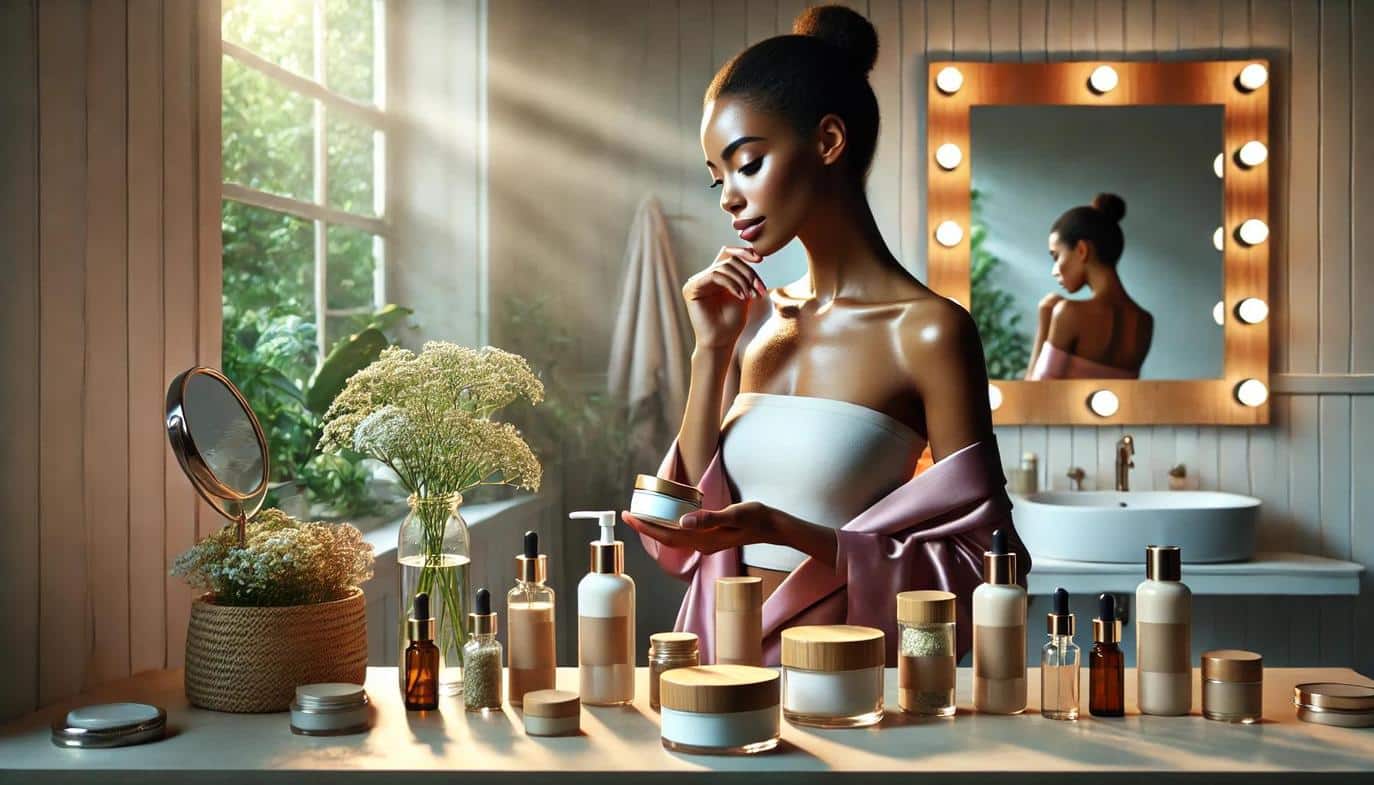
The Clean Beauty Revolution: More Than a Trend
Redefining Clean Beauty for a New Era
Clean beauty is redefining the way we think about beauty and personal care ingredients. No longer just a label, it’s a demand for safety, sustainability, and transparency backed by science and conscious innovation.
Clean beauty used to be a vague buzzword, often applied to labels without substantiation to attract consumer attention. Today, it represents a new standard of ingredient integrity, where transparency, health, and safety matter more than ever. Brands can no longer hide behind the term without backing it up with scientific validation and ethical sourcing. Consumers want proof—and they’re getting savvier at spotting greenwashing.
Clean beauty is evolving into a science-backed, regulation-ready space. Modern clean beauty focuses on nontoxic formulations, environmental safety, and traceability of ingredients. This means:
- Avoiding controversial compounds like parabens, phthalates, and certain silicones.
- Prioritizing ingredients that are biodegradable and ethically sourced.
- Committing to cruelty-free testing and development standards.
Ingredient Literacy and the Rise of the Informed Consumer
Today’s beauty buyer is no longer passive. With apps like Think Dirty and online ingredient databases, shoppers are decoding ingredient lists at the store shelf. They’re prioritizing brands that disclose full formulas, explain sourcing practices, and avoid potentially harmful synthetics.
Informed consumers want more than results—they want reassurance. A product that offers radiant skin while being ethically sourced and planet-safe delivers peace of mind, not just performance. This demand is pushing the industry to reformulate, repackage, and rethink every step of the product lifecycle.
The Role of Science in Making Clean Beauty Functional
There’s a misconception that “clean” means “less effective.” That’s no longer true. Advances in biotechnology and green chemistry now allow scientists to create safe, effective, and luxurious alternatives to legacy ingredients.
For instance, lab-grown peptides and fermentation-based actives can outperform their synthetic counterparts without environmental trade-offs. Formulators are turning to nature-inspired compounds that deliver clinically proven results—without the harsh side effects. The future of clean beauty lies in the intersection of efficacy, safety, and sustainability.
Global Growth of Natural Cosmetics and Eco-Conscious Demand
Industry Forecasts and Market Momentum
Natural cosmetics aren’t a niche—they’re booming. According to Grand View Research, the global natural and organic personal care market was valued at over $35 billion in 2023 and is projected to grow at a compound annual growth rate (CAGR) of 5.2% through 2030.
What’s fueling this growth? Health awareness, clean lifestyle trends, and environmental concerns. As people learn more about the impact of synthetic chemicals—not just on their bodies, but on ecosystems—demand for natural, eco-safe products rises. These consumer purchasing decisions are driving market trends, compelling companies to adapt and innovate.
Natural Doesn’t Mean Basic: The Luxe Green Boom
The perception of “natural” products as minimal or underperforming is now outdated. There’s a new class of beauty emerging: high-performance, luxury-grade, and planet-friendly. Brands like Tata Harper and RMS Beauty prove that natural formulations can deliver elegant textures, long-lasting wear, and clinically tested results.
Today’s natural cosmetics include bioactive serums, probiotic moisturizers, and antioxidant-rich face oils—all crafted with a sensory experience in mind. Natural beauty is no longer basic. It’s a statement of refinement.
Regional Innovation: Asia, Europe, and the Americas
Global diversity is also shaping the evolution of natural cosmetics.
- In Asia, the K-beauty movement has led innovation in fermentation-based actives and multi-step skincare rituals.
- Europe, with its strict regulatory environment, has long been a leader in banning harmful ingredients and promoting organic certifications.
- Meanwhile, in North America, consumer-led pressure is driving corporate transparency and pushing for more rigorous FDA oversight.
Each region offers unique perspectives on natural beauty—together creating a more global, nuanced standard for eco-conscious personal care.
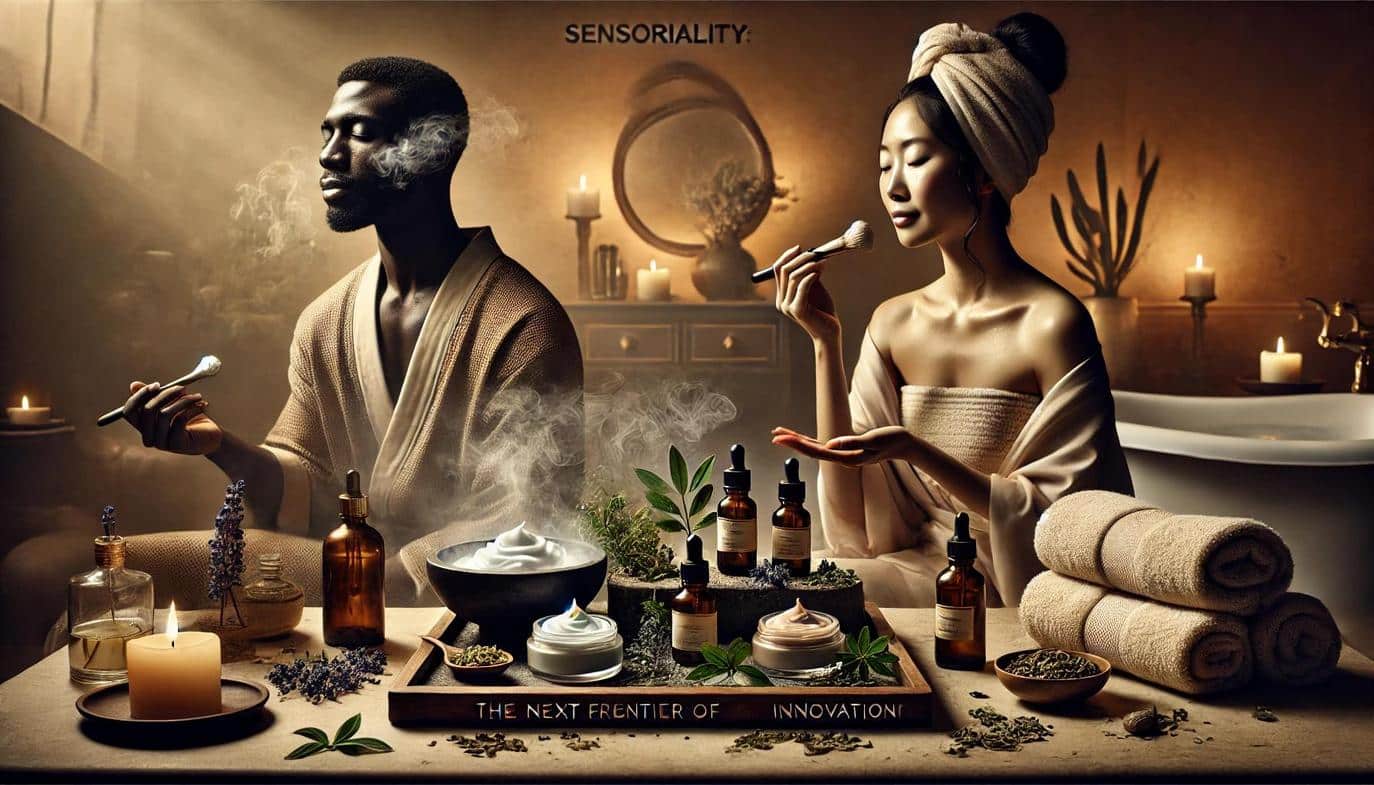
Sensoriality: The Next Frontier of Ingredient Innovation
The Rise of Sensorial Beauty Experiences
Sensoriality refers to the way a product feels, smells, sounds, and even looks during use. It’s about engaging the senses—texture, scent, absorption speed, even how a bottle feels in your hand. As Cosmetics Business notes, sensoriality is now a critical factor in whether a product delights or disappoints.
Modern consumers aren’t just looking for function—they want experience. A whipped body butter, a serum that melts into the skin, or a mask that tingles slightly can transform routine into ritual. This tactile pleasure enhances perceived effectiveness and builds emotional loyalty.
The Intersection of Wellness and Cosmetic Rituals
Beauty is increasingly linked to wellness. The act of applying skincare is now seen as a form of self-care and emotional regulation. Sensorial products provide stress relief, grounding, and moments of mindfulness.
Brands are leaning into this, formulating products with specific sensory goals:
- Aromatherapy: Using calming scents like lavender and ylang-ylang for stress relief.
- Thermocules: Adding cooling or warming effects for a physical sensation.
- Transformative Textures: Creating unique textures that mimic silk, cloud, or velvet for a luxurious feel. These sensory cues aren’t just luxurious—they’re therapeutic.
Achieving Sensorial Luxury Without Environmental Cost
Here’s the challenge: how do you create products that feel luxurious without relying on non-biodegradable or non-renewable materials? Many conventional sensorial agents (like silicones) don’t break down easily in the environment.
New innovations are addressing this. Brands are exploring biodegradable polymers, plant oils with silky glide, and fermentation-derived emulsifiers. The goal? Deliver luxury and responsibility in the same jar. As consumers embrace both eco-ethics and sensorial pleasure, the beauty industry is responding with creativity and conscience.

Sustainability in Beauty: Ingredient to Packaging
Responsible Sourcing and Lifecycle Thinking
Sustainability in beauty begins with where ingredients come from—and ends with how they return to the earth. Responsible sourcing means choosing ingredients that are renewable, biodegradable, and harvested ethically. Lifecycle thinking considers the full environmental impact, from farming and processing to disposal.
Brands are becoming more transparent about their supply chains. Some are even partnering with regenerative farms and investing in carbon-reducing technologies. This represents a fundamental shift from a linear ‘take-make-dispose’ model to one of circular sustainability, where resources are kept in use for as long as possible.
Packaging Innovation and the Refill Economy
Plastic packaging has long been a sustainability thorn in the side of beauty. But that’s changing fast. From refillable glass bottles and mono-material tubes to compostable paper-based options, brands are rethinking the box as much as the bottle.
Refill stations and subscription systems are also growing. These not only reduce waste but also create a longer-lasting customer relationship. The message is clear: beautiful products don’t have to come with ugly environmental costs.
From Greenwashing to Regulation
As consumer awareness grows, so does scrutiny. Many brands have faced backlash for greenwashing—marketing products as sustainable without meaningful action. That’s why stricter regulations and third-party certifications are now becoming essential.
Standards like COSMOS, Ecocert, and EWG Verified help consumers separate hype from honesty. Governments, especially in Europe, are also stepping in to demand clearer labeling and stricter chemical restrictions. The path to sustainability is no longer optional—it’s the new normal.
Future Outlook: Science, Sensoriality, and Sustainability Converge
Biotechnology and Ingredient Engineering
The future of personal care lies in lab-grown, precision-engineered ingredients that minimize waste while maximizing performance. Through biotechnology, high-performance ingredients are being grown in controlled environments using fermentation rather than animal or petroleum sources. Key examples include:
- Hyaluronic Acid
- Squalane
- Vegan Collagen
These methods use fewer natural resources and eliminate the need for harmful extraction processes. The result? High-purity, sustainable, cruelty-free ingredients that are traceable from lab to label.
Co-Creation with the Conscious Consumer
A growing number of beauty brands are inviting their customers into the formulation process—asking for feedback on packaging, ingredients, and even ethical values. This co-creation builds brand trust and aligns products with real user priorities.
Surveys, user trials, and open innovation platforms are helping brands build communities, not just products. It’s a two-way street: consumers feel empowered, and brands stay relevant.
The Role of Ingredient Suppliers Like Quimivita
Upstream innovation begins with raw materials, a domain where ingredient suppliers like Quimivita play a pivotal role. Quimivita develops sustainable beauty and personal care ingredients that meet today’s demands for functionality, traceability, and ecological responsibility.
From plant-based actives to custom-tailored textures, suppliers like Quimivita are enabling brands to offer high-performance clean beauty. Their expertise in ingredient safety and innovation is shaping what ends up on store shelves tomorrow.

The Future of Beauty: A Conscious Convergence
The evolution of beauty and personal care ingredients is charting a new course, one where science, ethics, and experience are deeply intertwined. The demand for clean beauty is no longer a niche trend but a global standard, pushing brands toward greater transparency, non-toxic formulations, and sustainable practices.
As the industry moves beyond greenwashing, innovations in biotechnology and green chemistry are proving that high-performance products can coexist with environmental responsibility. This conscious shift, driven by an informed consumer, ensures that the future of beauty is not only effective but also ethical, sensorial, and safe for both people and the planet.
Frequently Asked Questions About Modern Beauty
What is the difference between ‘clean beauty’ and ‘natural cosmetics’?
While often used interchangeably, “clean beauty” focuses on eliminating potentially harmful or toxic ingredients and ensuring product safety, regardless of whether an ingredient is natural or synthetic. “Natural cosmetics” prioritize ingredients derived from nature. The modern clean beauty movement integrates both, using science to ensure that natural and lab-created ingredients are safe, sustainable, and effective.
Why is sensorial beauty becoming so important?
Sensorial beauty enhances the user experience by focusing on a product’s texture, scent, and feel. This transforms a daily routine into a mindful ritual, improving emotional well-being and strengthening brand loyalty. A product that feels and smells luxurious is perceived as more effective and enjoyable to use.
How can I spot ‘greenwashing’ on a product label?
Greenwashing involves making misleading claims about a product’s environmental benefits. To spot it, look for vague terms like “eco-friendly” without specific proof. Check for third-party certifications (like Ecocert or EWG Verified), transparent ingredient lists, and clear information about a brand’s sourcing and packaging practices.
Are sustainable beauty products as effective as traditional ones?
Yes. Thanks to advances in green chemistry and biotechnology, sustainable beauty ingredients often outperform their traditional counterparts. Formulators can now create potent, biodegradable actives and luxurious textures from renewable sources, delivering clinically proven results without compromising environmental ethics.


