
Dealing with DUI charges can be overwhelming. However, securing the right legal support can make a significant difference. The Meldon Law Firm focuses on defending DUI cases, guiding you through the complexities involved. They are dedicated to helping you comprehend every aspect of your case, ensuring you are informed and empowered during this challenging time.
Services such as Meldon Law Firm have extensive experience in handling DUI charges and can offer valuable insights into the legal strategies used to get charges dropped. That is why this article aims to provide a comprehensive overview of how legal experts approach DUI cases and outline seven effective strategies to get DUI charges dropped. Each section will delve into specific tactics that skilled attorneys can employ to challenge the evidence, procedural errors, and other aspects of DUI charges.
Challenging the Legality of the Traffic Stop
One effective strategy for getting DUI charges dismissed is by challenging the legality of the traffic stop. For law enforcement officers to conduct a valid traffic stop, they must have reasonable suspicion of a traffic violation or criminal activity. If a stop occurs without proper cause, any evidence collected during that stop, such as breathalyzer results, may be ruled inadmissible in court.
Legal experts thoroughly examine the details surrounding the stop. This includes reviewing dashcam footage and assessing officer testimony to identify any inconsistencies or breaches of protocol. If they conclude that the traffic stop was unlawful, it may lead to the dismissal of the charges.
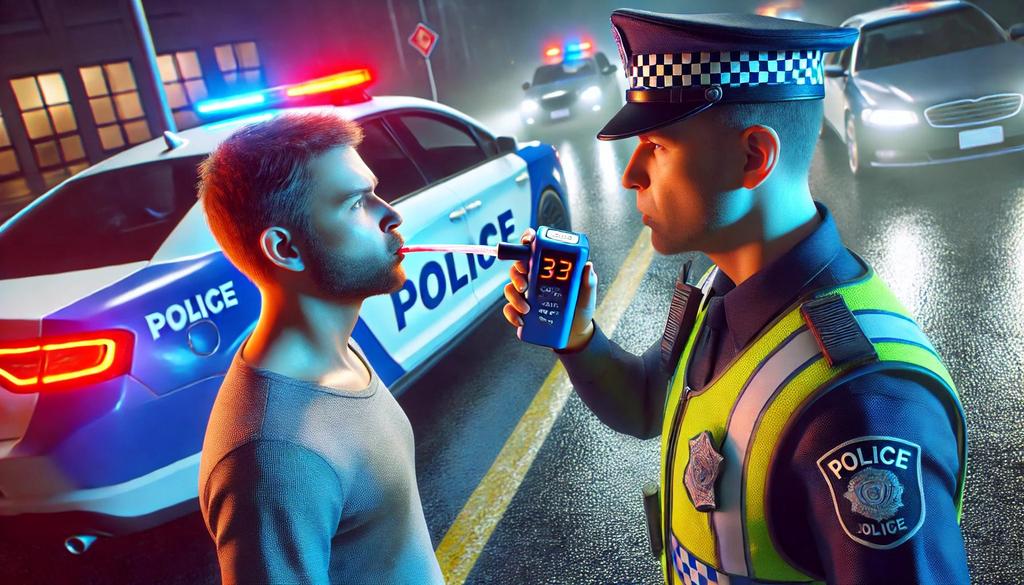
Examining Breathalyzer and Field Sobriety Test Results
An essential element of DUI defense involves carefully examining the breathalyzer and field sobriety test results. These tests are not always accurate and can be impacted by several factors. Issues such as improper device calibration, underlying medical conditions, or even the location where the tests took place can all play a role.
A knowledgeable attorney will investigate whether the breathalyzer was properly maintained and calibrated according to the manufacturer’s standards. They will also assess whether the officer conducted the field sobriety tests in accordance with established protocols. Discovering any irregularities in these processes can provide grounds to challenge the test results and potentially have them excluded from evidence.
Investigating Procedural Errors
Errors in procedure made by law enforcement during the arrest can serve as valid reasons for dismissing DUI charges. If these mistakes undermine the integrity of the arrest, they may provide a strong basis for challenging the charges. This includes ensuring that the defendant’s rights were not violated, such as the right to remain silent and the right to legal counsel.
Any failure to adhere to proper procedures can result in the dismissal of the charges. Legal experts will carefully examine the arrest records, body cam footage, and any other relevant documentation to identify procedural missteps. Highlighting these errors can significantly weaken the prosecution’s case.
Exploring Medical Conditions and Prescription Medications
Some medical conditions and prescription medications can produce symptoms similar to intoxication or influence the outcome of sobriety tests. For instance, conditions like acid reflux, diabetes, and neurological disorders can result in false positives on breathalyzer tests.
An experienced attorney will compile medical records and seek expert testimony to illustrate how these conditions may have affected test results. By presenting this evidence, they can create uncertainty in the prosecution’s case and increase the chances of having the charges dismissed.

Reviewing Witness Testimony
Witnesses, whether passengers in the defendant’s vehicle, bystanders, or other drivers on the road, can play a crucial role in DUI cases. Their testimony can either support or contradict the police report and the prosecution’s narrative.
Legal experts will interview witnesses and compare their accounts with the official records. Any inconsistencies or exculpatory evidence provided by witnesses can be used to challenge the prosecution’s case and strengthen the defense.
Negotiating Plea Bargains
In some cases, negotiating a plea bargain can effectively avoid the severe consequences of a DUI conviction. A plea bargain occurs when a defendant agrees to plead guilty to a reduced charge. In return, the prosecutor offers a more lenient sentence. This arrangement can provide a more favorable outcome for the defendant compared to facing the original charges.
Attorneys will assess the strength of the prosecution’s case and determine whether a plea bargain is a viable option. If the evidence against the defendant is weak, they may be able to negotiate a deal that results in reduced charges or penalties.

Conclusive Summary
Handling a DUI charge necessitates a thoughtful and knowledgeable strategy. Legal experts can pursue several avenues to seek the dismissal of DUI charges. These include questioning the legality of the traffic stop, examining the accuracy of test results, and identifying procedural errors made during the arrest. By utilizing these strategies effectively, individuals facing DUI charges can greatly enhance their prospects for a positive resolution.


