
If you’re interested in eco-friendly agriculture (or have been told that you should be), things can get a little overwhelming when you first begin to do your research. It turns out that almost all conventional farming practices are terrible for the environment and people’s health, and it can feel impossible to know where to start repairing a system that is damaged from top to bottom. More than this, the average farmer is someone who is looking to provide for their family and produce food for people who need it; you want to stay competitive and profitable, and sometimes it might seem like the only way to do that is to toe the line and do what everyone else is doing. The following will explore several eco-friendly agriculture trends that can make a big difference in the health and safety of farmers, the quality of produce, and the impact on the environment.
Planting Cover Crops
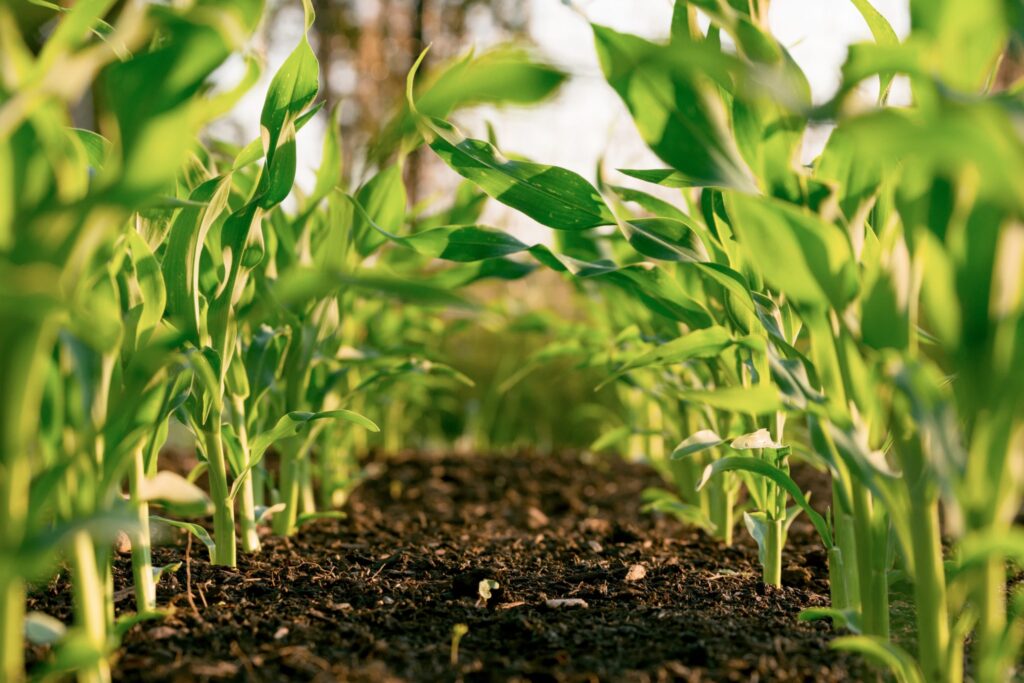
Cover crops are basically any non-cash crop that is grown in addition to the cash crops that a farmer is growing. Cover crops are chosen because they can help increase the organic matter in the soil, improve soil fertility, minimize erosion, promote ideal soil structure, limit pests or diseases, and encourage water infiltration. If the right cover crops are selected, farmers can mitigate a lot of expensive risks, improve agricultural productivity and yield, and decrease their reliance on fossil fuels. This can, in turn, help with the financial side of things.
Cover crops were used extensively prior to the development of herbicides and their widespread adoption in the 1950s. Given the impact that cover crops can have on pests and diseases, they’re an absolute must for farmers looking to learn in an organic direction or begin making the steps towards organic. Common cover crops include annual ryegrass, barley, oats, rye, winter wheat, berseem clover, cowpeas, field peas, sweet clovers, mustards, radish, and rapeseed. Depending on what the farmer’s goals are and what cash crops they grow, there will be cover crops suited to their needs.
Solar Powered Irrigation Systems
As a farmer, you need energy and you need water. You’ve got a large plot of land that needs tending to. Since irrigation is one of the most effective ways of ensuring that your land has what it needs for plants to thrive, and irrigation requires a reliable and consistent energy source, this is one of the areas where farmers can have quite a big ecological footprint. You might want to consider following a guide to solar irrigation systems that can help you implement a cleaner energy source without risking inconsistent energy results. Solar irrigation systems don’t produce any greenhouse gas emissions, and in many places, there are tax credits available to make this option even more enticing.
Going Organic
Going organic not only improves the health of the food produced, but it also helps improve the biodiversity in the soil and drastically improves farmers’ health. Of course, going organic can be frightening as a farmer because you don’t want to lose any of your crops to pests. This being said new research is coming out all the time that indicates just how bad pesticides are for farmers and consumers. As well, many older pesticide studies are being discounted as we learn more about the human body. For instance, once upon a time, pesticides were tested for their impact on a human’s health. Now we know that we also need to look at how a particular chemical influences a person’s gut bacteria as the gut bacteria is intrinsically linked to nutrient absorption, mental health (over 90% of a person’s serotonin is produced in the gut), energy levels, inflammation, chronic diseases, certain types of cancer, diabetes, depression, obesity, Crohn’s disease, ulcerative colitis, anxiety, arthritis, and even autism. Knowing how critical gut bacteria is and knowing that many pesticides eradicate the good bacteria in our systems, more consumers than ever are looking for organic options.
In addition to the impact pesticides have on human health, their influence on the microbiology in the soil is vital to address. Pesticides kill small critters like insects. They also kill the life within the soil that’s responsible for soil fertility, like earthworms, ants, beetles, ground-nesting bees, and many other microscopic critters necessary for healthy soil.
Diversity In Crop Selection
For a while, monocropping has been the norm for farms that want to grow big and compete. Monocropping involves planting a singular crop in a given area. While this allows for the mass production of an in-demand crop, it poses serious problems for farmers, their land, and the environment. Foremost, monocropping is part of why pests are such a big concern for farmers. Insects find a field of something they love that is relatively unprotected and go crazy. Diverse plant species help protect each other from presets and insects, greatly reducing the need for pesticides. There is a fair bit of literature about what can be planted together to protect plants the most.
Monocropping has also resulted in a reduction in food diversity a dependence on major crops, resulting in malnutrition (over 50% of the human diet around the world is composed of rice, maize, and wheat). Monocropping also requires chemical fertilizers to counteract soil depletion, which would not be a problem if a variety of plants were planted in one location (we don’t need to fertilize forests).
The above list is only the beginning. A restorative agriculture revolution is underway, and quickly, consumers are becoming aware of the importance of asking questions about where their food comes from and what impact it has. More and more people are looking for food that’s produced in an ethical, healthy, and environmentally friendly way, and farmers are looking for ways to protect themselves from the insane cancer rates and chronic illnesses that plague farmers who have been dealing with dangerous chemicals their entire working lives. In some places, there are even tax credits and bursaries for farmers who are undertaking steps to implement more eco-friendly agricultural practices. No matter what you grow or where you live, there are steps you can take to minimize the damage done to yourself, your workers, those who consume your product, and the environment as a whole.


