
Substance use among students is a significant global issue that affects academic potential, emotional well-being, and long-term health outcomes. Schools, learning institutions, and youth development organisations are all essential for prevention education aimed at equipping young learners with informed decision-making skills. Awareness alone is never enough, so education must go beyond warnings and include scientific understanding, emotional intelligence, and real-world impact.
Modern learning programmes increasingly blend health education with academic immersion. The goal is to shape a generation that values both wellness and scholarship. The challenge lies in giving students strong reasons and cognitive frameworks to stay informed, rather than just telling them what to avoid. Institutions involved in youth education are responsible for making health education engaging, factual, and applicable.
Industry leaders in student enrichment, academic immersion, and pre-university learning environments can significantly influence behavioural change. The new wave of educational programmes merges medical science exposure with lifestyle guidance, fundraising for a healthier student culture. Educational providers must balance academic excellence with student well-being to support future doctors, scientists, policymakers, and community leaders.
Instructors who integrate health-based topics build long-term value that extends far beyond classrooms. Students equipped with knowledge become advocates for healthier choices in their communities and personal lives. Prevention education becomes most effective when it is rooted in science, empathy, awareness, and opportunity.

The Science Behind Substance Use and the Young Brain
Substance exposure during adolescent years carries a higher neurological risk because the brain is still forming essential neural pathways. Key functions are still developing, including:
- Dopamine regulation.
- Decision-making ability.
- Impulse control.
This developing state makes young learners more biologically vulnerable to addictive behaviours.
Altering Brain Chemistry and Reward Systems
Early exposure is known to influence memory retention, emotional responses, learning capacity, and social cognition. Students often assume experimentation is harmless, but even minor exposure can alter synaptic pruning, a process responsible for removing weak neural connections. Many controlled substances interfere with reward systems, making everyday accomplishments feel less gratifying in comparison. An imbalanced reward system can lead students to unconsciously chase artificially induced stimulation rather than real achievement.
Educational institutions benefit from embedding neuroscience into student health discussions to deepen contextual understanding. Youth behaviour dramatically changes when students learn what is happening biologically rather than hearing insecurity-based warnings. When learners understand how chemicals interact with cerebral receptors and neurotransmitters, they begin to humanise the risks instead of dismissing them.
Scientific education enhances credibility and encourages curiosity rather than rebellion against authority. Medical exposure programmes often adopt this approach to link health risks with academic relevance and scientific discovery. Such a model ensures students internalise facts rather than memorise fear-based slogans.

Academic Pressure Often Leads Students Towards Risky Choices
Academic pressure has become one of the most cited triggers associated with youth substance experimentation. This pressure stems from several sources:
- High expectations.
- Workload intensity.
- Competitive environments.
- Social comparison.
These factors contribute to elevated stress levels, leading students to seek unhealthy coping mechanisms. When academic culture rewards performance without nurturing wellbeing, students often turn to quick fixes instead of sustainable support systems.
Sleep disruption, burnout, anxiety, and fear of failure amplify vulnerability to unhealthy coping behaviours. The root cause is rarely ignorance; it is emotional exhaustion paired with inadequate stress management education.
Integrating Resilience and Wellbeing
High-performance learning communities are beginning to integrate emotional resilience training into academic schedules. Students perform better academically when they are taught coping mechanisms alongside curricula rather than having to regulate stress alone. Many enrichment programmes now balance academic intensity with wellbeing modules and structured mentorship. The effectiveness of such programmes is further strengthened when paired with exposure to future career paths. For instance, applicants to a medicine summer school often find value in learning both medical science and personal health responsibility simultaneously. Education becomes more compelling when students are empowered, not overwhelmed, by high expectations.
The Role of Academic Enrichment Programmes in Prevention Education
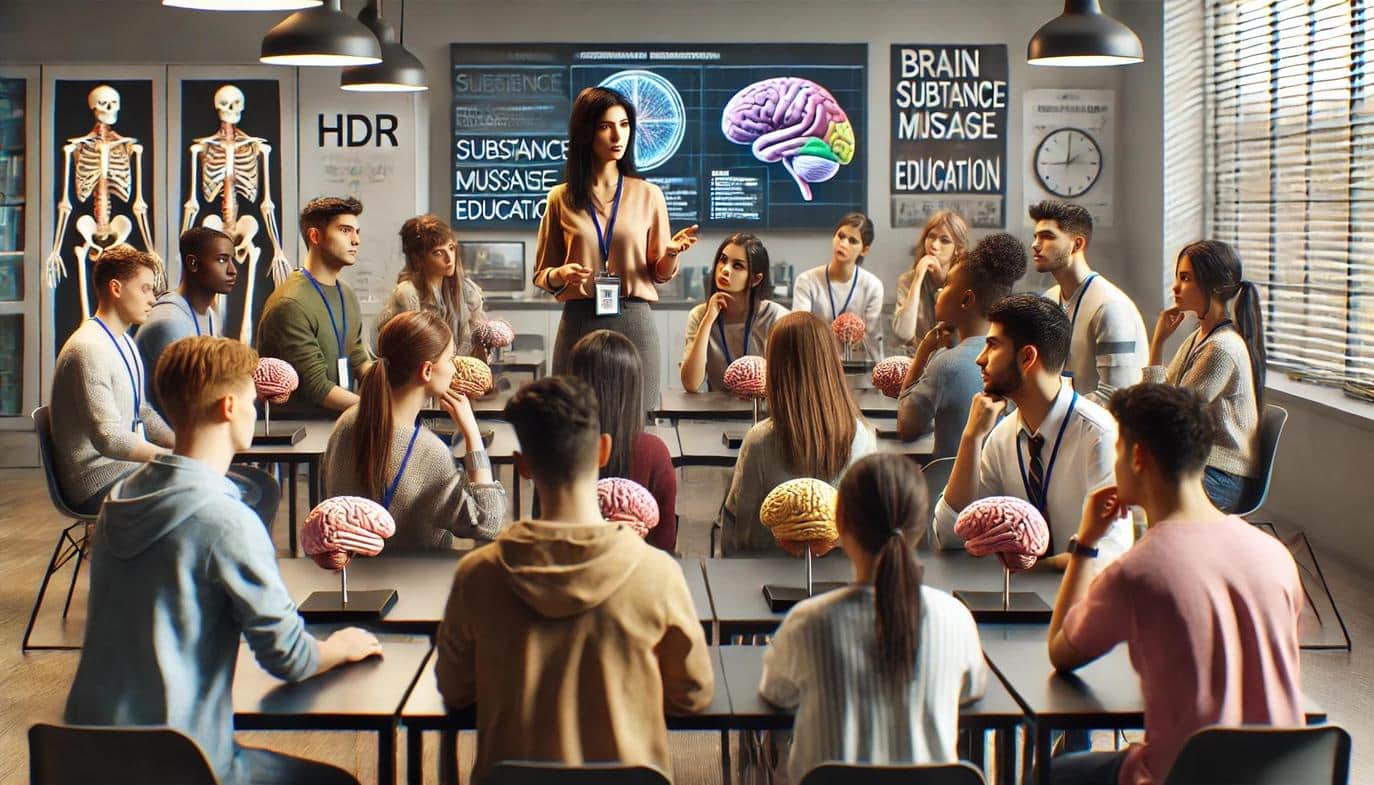
Academic enrichment providers support students not only academically but also emotionally and socially. Course structures that expose learners to real-world health topics build preventative awareness that traditional textbook learning often overlooks. Young learners become more receptive to substance education when it relates directly to future aspirations, community roles, and career pathways.
Contextualising Risk Through Curriculum
Programmes that contextualise health risks within medicine, neuroscience, psychology, and public health achieve deeper engagement. Modern enrichment curriculums increasingly include case studies, research exposure, medical ethics, and real healthcare challenges. These frameworks transform health education from cautionary advice into intellectually stimulating content.
Developing Health Literacy and Peer Leadership
Learners who participate in science-driven academic programmes often develop a higher health literacy than those who experience generalised classroom discussion. Exposure to biomedical environments increases curiosity, reinforces responsibility, and builds a logical foundation for decision-making. Future healthcare aspirants exposed to substance-related clinical consequences often develop a strong internal stance against misuse.
By connecting science to social responsibility, students gain emotional and intellectual reasons to make informed choices. Academic health-based courses build students into communicators who influence peer groups through knowledge, not judgement. Prevention becomes a ripple effect driven by curiosity rather than obligation.

Biology-Focused Learning as a Gateway to Health Awareness
When students learn biological sciences in immersive environments, health risks feel more immediate, scientific, and personal. Cellular biology, neurology, and physiology create a framework where substance education becomes more tangible and less abstract. A biology summer school allows students to visualise and understand how toxins behave inside living systems.
Shifting from Stigma to Scientific Fact
Once students understand how substances impact organs, hormones, neurones, and genetic expression, misuse becomes less appealing and more logically concerning. This deeper engagement shifts focus away from stigma and toward scientifically informed decision-making. The conversation moves from vague warnings to measurable consequences.
Students retain information better when they understand mechanisms rather than outcomes alone. A strong scientific foundation equips learners to make decisions rooted in reason, not peer influence or misinformation.
Experiential Learning and Scientific Thinking
Enrichment modules often use lab simulations, neural modelling, health research, and cellular response studies to contextualise risk. These experiential learning formats mirror how medical professionals evaluate health conditions. When students are allowed to think like scientists, they evaluate risk differently and respond proactively rather than reactively. This approach makes education empowering rather than restrictive.
The Importance of Medical Exposure in Building Prevention Mindsets
Medical field exposure contributes significantly to shaping student awareness around substance misuse. Clinical case exposure, ethical discussions, and diagnostic reasoning show learners real-world outcomes of poor health choices. Courses introduced in internationally recognised health-education hubs have started integrating prevention modules into medical career exploration. A medicine summer school in Cambridge experience, for example, engages students through research-based discussion and structured scientific enquiry. Seeing medical consequences through evidence-based discussion has more impact than broad hypothetical warnings. Students begin framing substance misuse as a public health concern rather than a personal or social narrative.
Fostering a Professional and Protective Identity
Young learners pursuing medical pathways often self-advocate for healthier choices once they understand evidence and responsibility. Medical exposure often prevents curiosity-based experimentation by replacing it with scientific realism. Students gain not only knowledge but also a sense of professional identity, even in early academic stages. Such programmes help young learners view themselves as individuals capable of shaping health outcomes rather than risking them. The goal shifts from avoidance due to fear to avoidance due to understanding. Prevention becomes a natural byproduct of purpose-driven learning.
Integrating Health Education for Effective Prevention
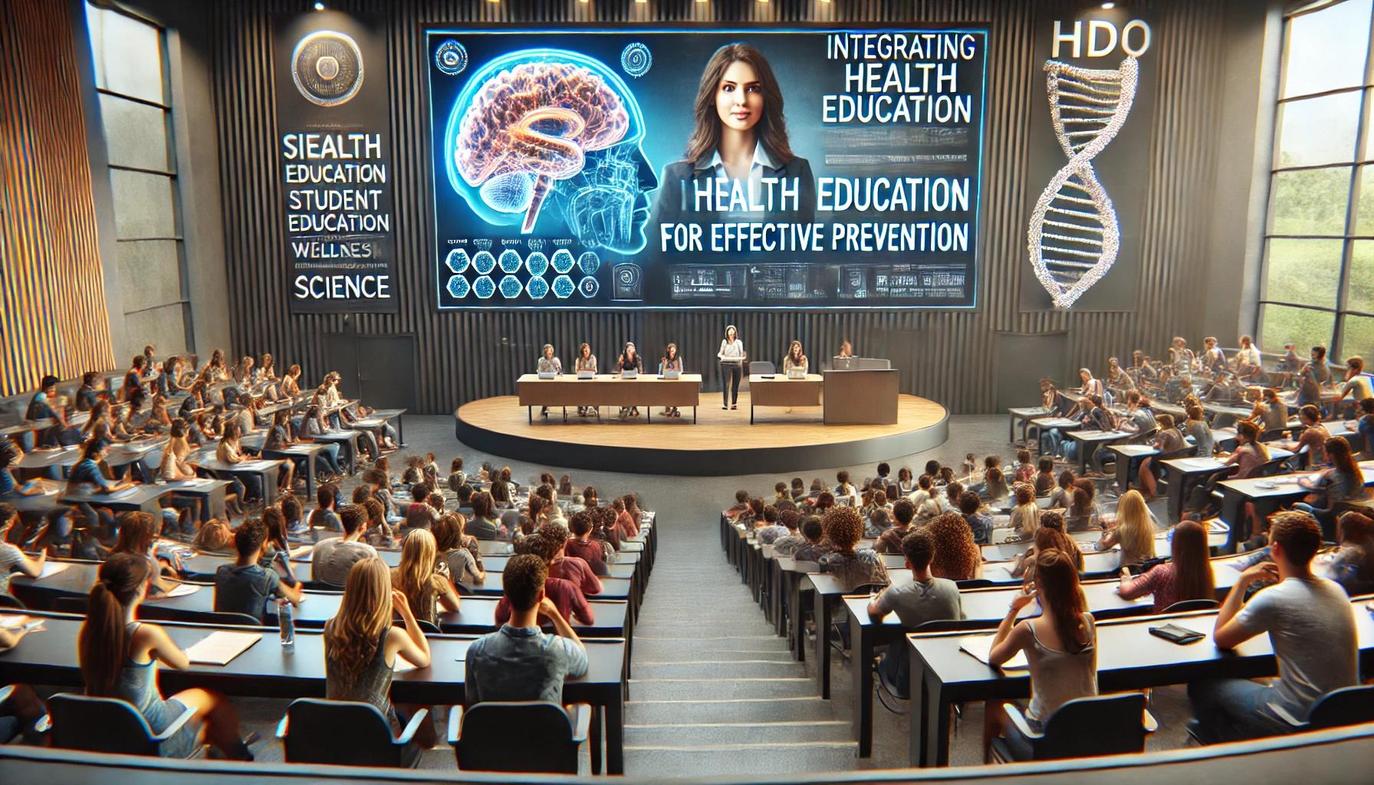
Substance use prevention becomes most effective when it merges science, empathy, and early intervention. The future of student health education lies not in restriction but in expanded understanding and informed empowerment. Young people are receptive to health education when it appeals to their curiosity and ambition, rather than fear-based conditioning. When prevention is integrated into academic and career-driven pathways, such as medicine summer school programmes, students adopt protective mindsets autonomously. True prevention shapes a student’s thinking long before it needs to correct a behaviour.
Educational institutions and enrichment providers are at the forefront of shaping future leaders. To remain impactful, prevention education must be student-centred, science-backed, and purpose-driven. Students often make harmful choices not from a lack of intelligence, but from a lack of context, support, or clarity. When education removes stigma and replaces it with understanding, students choose well-being without feeling coerced. The most powerful tool against substance misuse is not fear, but knowledge reinforced by guidance and a clear understanding of the biological and real-world consequences.
Understanding Substance Use Education
What Is the Role of Academic Enrichment in Prevention?
Academic enrichment programmes provide a unique setting to integrate health education with career aspirations. By contextualising the risks of substance use within subjects like medicine, neuroscience, or biology, these programmes help students build a strong, internalised mindset for prevention that is based on scientific understanding rather than abstract warnings.
How Does Academic Pressure Influence Student Choices?
High academic pressure, combined with emotional exhaustion, is a significant trigger for risky choices. Students may turn to substances as a coping mechanism for stress. Effective prevention education, therefore, must also include emotional resilience training and stress management support, rather than focusing only on the substances themselves.
Why Is Biology-Focused Learning Effective?
Biology-focused learning is effective because it makes the risks of substance use tangible and personal. When students understand the specific mechanisms—how substances interact with neural pathways, disrupt dopamine regulation, or impact cellular health—they are empowered to make decisions based on scientific fact, not fear-based slogans.
What Is a Medicine Summer School?
A medicine summer school is an academic enrichment programme that offers students exposure to the medical field. These programmes often include biology-focused learning, case studies, and discussions on medical ethics. This medical exposure provides a powerful, realistic context for understanding health outcomes and the dangers of substance misuse, reinforcing a prevention-first mindset.


