
It is estimated that over 40% of insects could go extinct worldwide within the coming decades. Meanwhile, the U.S. Environmental Protection Agency (EPA) just approved the ’emergency’ use of the bee-killing pesticide Sulfoxaflor on 13.9 million acres across the country. According to the EPA, if the situation is determined as “necessary to use unapproved pesticides” in order to “prevent the spread of an unexpected outbreak of insects,” then approval is granted.
Environmental Health Director and Senior Attorney Lori Ann Burd from the Center for Biological Diversity explained on EcoWatch Live how there is a loophole in the Federal Insecticide, Fungicide, and Rodenticide Act under section 18, “that allows for entities and states to request emergency exemptions to spraying pesticides where they otherwise wouldn’t be allowed to spray.”
In a press release, the Center for Biological Diversity stated, “The approval includes 2019 crops of cotton and sorghum in Alabama, Arkansas, California, Georgia, Kansas, Louisiana, Missouri, Mississippi, Tennessee, Texas, and Virginia. Ten of the 11 states have been granted the approvals for at least four consecutive years for the same “emergency.” Five have been given approvals for at least six consecutive years.”

How is it an emergency if it’s happening six years in a row? According to Burd, it’s all an abuse of the system. “This administration has been grossly abusing this exemption to allow the use of this one pesticide called sulfoxaflor on a vast acreage year after year,” she said.
Sulfoxaflor is an insecticide that is considered “very highly toxic” to bees. Bees are one of the most important creatures on the planet since much of our food grows thanks to their pollination work. In Texas, where 5.8 million acres got emergency exemption to spray, there reside over 800 native bee species and eight species of bumblebees! The state is also an important migration route for monarch butterflies, who are also in the threat of extinction now.
Burd said, “Monarch butterflies and eight species of bumblebees do overlap with Texas counties where there is sulfoxaflor spraying. Even at subacute, very low doses, sufoxaflor will have a very dramatic effect on bumblebee reproduction.”
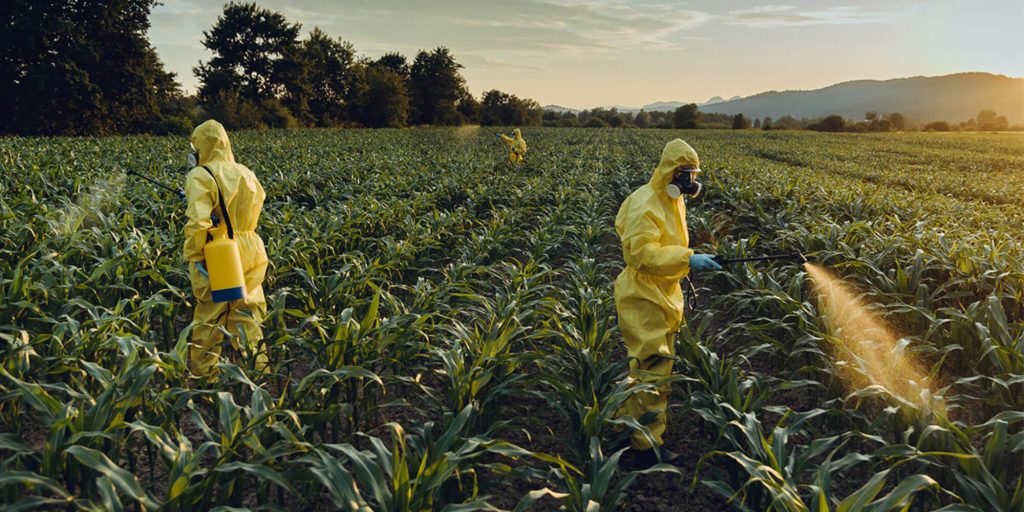
The purpose of sulfoxaflor is to kill insects, and farmers have only gotten away with spraying it because they were granted emergency. Burd said, “The only emergency here is the EPA’s reckless approval of this dangerous bee-killing pesticide. It’s sickening that even amid the current insect apocalypse, the EPA’s priority is protecting pesticide industry profits. The EPA is allowing potentially catastrophic harm to imperiled insect populations. It’s hard to imagine how much more evidence could possibly be needed for the agency to wake up to the damage they are causing.”
The lethal insecticide was not approved, however, to be used on sorghum because it is known to attract bees. Although, at one point, the EPA did allow the use of sulfoxaflor on cotton, the U.S. Court of Appeals for the Ninth Circuit vacated the approval—only because beekeepers brought a lawsuit against the EPA.
The U.S. Court of Appeals for the Ninth Circuit published a conclusion in a summary following the vacated approval in 2015: “The panel held that because the EPA’s decision to unconditionally register sulfoxaflor was based on flawed and limited data, the EPA’s unconditional approval was not supported by substantial evidence. The panel vacated the EPA’s unconditional registration because given the precariousness of bee populations, leaving the EPA’s registration of sulfoxaflor in place risked more potential environmental harm than vacating it.”
So, what can be done to stop these emergency approvals and prevent the use of toxic pesticides? There are many things people can do, Burd told EcoWatch. Individuals can help by “getting involved with various groups working to protect the environment, choosing organic, refusing the use of pesticides at home, talking about not using them at work or at a homeowners association, supporting local ordinances going after pesticide issues, voting often or early, and planting pollinator-friendly gardens in rural and urban environments.” There was a petition demanding that Trump’s EPA stop rubber-stamping ’emergency’ uses of pesticides that wreak havoc on our environment.


