
When selecting roofing materials, the climate you live in is not just a factor—it’s a defining element. The right roofing choice transcends aesthetics, providing crucial protection, insulation, and structural integrity to your home. It’s about creating a comfortable, energy-efficient living space that stands resilient against whatever weather comes your way.
Choosing the suitable roofing material affects everything from durability to your home’s energy efficiency. A roof that suits your climate can significantly reduce maintenance costs and increase the lifespan of your roofing structure. As you embark on this guide, understand that the suitable roofing material balances your local climate’s demands and your personal aesthetic and functional preferences.
Understanding the Impact of Climate on Roofing
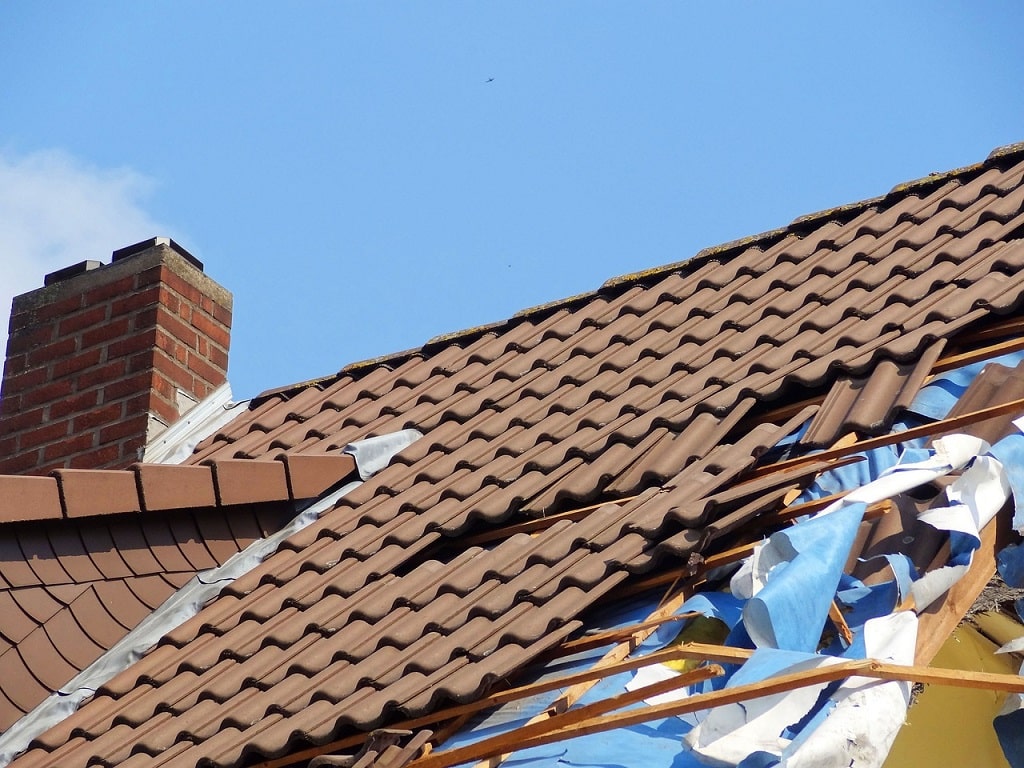
Every climate has unique challenges that impact the performance and longevity of roofing materials. Materials must withstand intense sun and heat in hot and arid regions without deteriorating quickly. In contrast, cold and snowy areas demand roofing to support heavy snow loads and resist freezing temperatures. Coastal homes facing salty air and high winds require roofing materials that resist corrosion and uplift. Recognizing these distinct challenges is vital in determining the suitable materials for your home.
Weather phenomena like UV radiation, wind, rain, and temperature fluctuations can significantly affect roofing materials. For instance, some materials may become brittle and crack in extreme cold. In contrast, others might fade or degrade under intense sunlight. Understanding your region’s specific weather patterns and environmental conditions is important. It helps you select a roofing material that looks good and performs optimally over time and reduces the need for frequent repairs or replacements.
Comprehensive Factors in Choosing Roofing Materials
Durability is often the foremost concern for homeowners when selecting roofing materials. Longevity varies significantly across materials. Some, like metal or slate, may last for decades or centuries. Others, such as asphalt shingles, might need replacement more frequently.
The ideal choice withstands the specific conditions of your climate while offering the best balance between longevity and cost. Considering durability in the context of your local weather and environmental conditions ensures a long-lasting, robust roofing solution.
Besides durability, other critical considerations in choosing roofing materials include insulation, weight, maintenance, and overall cost. This is where metal roofing often emerges as a superior option. Expert metal roofing companies can ensure adequate insulation and reflective qualities. These can significantly lower heating and cooling expenses, enhancing your home’s energy efficiency.
The weight of the material is also a key factor, as it influences the structural support your home might need. The maintenance demands differ across materials, affecting long-term care and associated costs. While upfront expenses are essential, it’s equally vital to consider the long-term benefits of energy efficiency, longevity, and reduced maintenance. This is important when making a cost-effective and environmentally responsible decision.
Exploring Roofing Materials: A Climate-Centric Guide
Asphalt shingles, a common and cost-effective choice, offer versatility and a wide range of styles. However, their performance can falter under extreme conditions, making them less suitable for hot or cold climates. Metal roofing, known for its durability and energy efficiency, is excellent for various temperatures, especially those prone to snow or extreme heat. It reflects heat and sheds snow quickly, making it a popular choice for diverse weather conditions. Each material has advantages and considerations, which should be weighed against your local climate’s needs and challenges.
Clay and concrete tiles excel in hot climates because they reflect heat and resist fire. Their weight, however, may necessitate additional roof support. Slate, offering both longevity and a classic aesthetic, is an excellent choice for many climates but requires a significant initial investment and structural solid support due to its weight. Wood shakes, with their natural insulation and rustic charm, provide a unique look but require maintenance to prevent decay and insect damage. Understanding the nuances of each material in the context of your climate will lead you to the most suitable, efficient, and aesthetically pleasing option for your home.
Innovations and Sustainability in Roofing Materials
Technological advancements have introduced innovative roofing materials with improved durability, sustainability, and ease of maintenance. Modern composites can mimic the look of traditional materials like wood or slate. They also offer superior resistance to weather and require less frequent maintenance.
Eco-friendly options, such as green roofs or solar tiles, reduce your home’s environmental impact. They also provide additional benefits like improved insulation and reduced energy costs. Exploring these innovative materials allows you to make a choice that aligns with your environmental values and practical needs.
Sustainability in roofing is more than just a trend; it’s a long-term investment in the health of your home and the environment. Recycled materials, excellent roofing options, and other sustainable innovations minimize the ecological footprint. They often come with benefits like increased energy efficiency and lower utility bills.
As you consider new and emerging roofing materials, weigh their long-term performance, environmental impact, and cost. This will help you make a choice that is as smart for your home as it is for the planet.
Professional Guidance: Navigating Your Roofing Choices
While individual research is invaluable, choosing the suitable roofing material requires professional guidance. A roofing professional can provide:
- A detailed assessment of your home’s needs.
- Taking into account the structural aspects.
- Local climate.
- Your personal preferences.
They help navigate the myriad options available, offering expert advice tailored to your situation. Engaging with a professional early in decision-making can save time and money and ensure a more successful outcome.
Professionals not only assist in making the initial choice but also in planning for the future. They can advise on maintenance, potential upgrades, and how to maximize the lifespan of your roofing material. Establishing a relationship with a trusted roofing expert ensures ongoing support and guidance, keeping your roof in optimal condition for years.
Conclusion
The journey to selecting the perfect roofing material is complex but rewarding. By understanding the impact of climate on roofing, considering the comprehensive factors involved, and exploring the various materials suited to different weather conditions, you are well-equipped to make an informed decision.
Your choice affects not only your home’s immediate appearance and efficiency but also its long-term value and sustainability. With the correct information and professional guidance, you can select a roofing material that offers beauty, durability, and performance tailored to the unique demands of your local climate.


