
The first symptom of COVID-19 infection could be the loss of your sense of smell, taste, or both. Prof. Claire Hopkins, president of the British Rhinological Society, said:
We really want to raise awareness that this is a sign of infection and that anyone who develops loss of sense of smell should self-isolate. It could contribute to slowing transmission and save lives.
Its been happening to people all over the world. The New York Times (NYT) published a fascinating story that compiled extensive evidence that those subtle symptoms could be a foreshadowing of a coronavirus diagnosis. The moral of the story was that if you can’t smell the onions grilling in the kitchen, you should consider taking all the necessary precautions of someone who has the virus – for public health.
The NYT reporting begins:
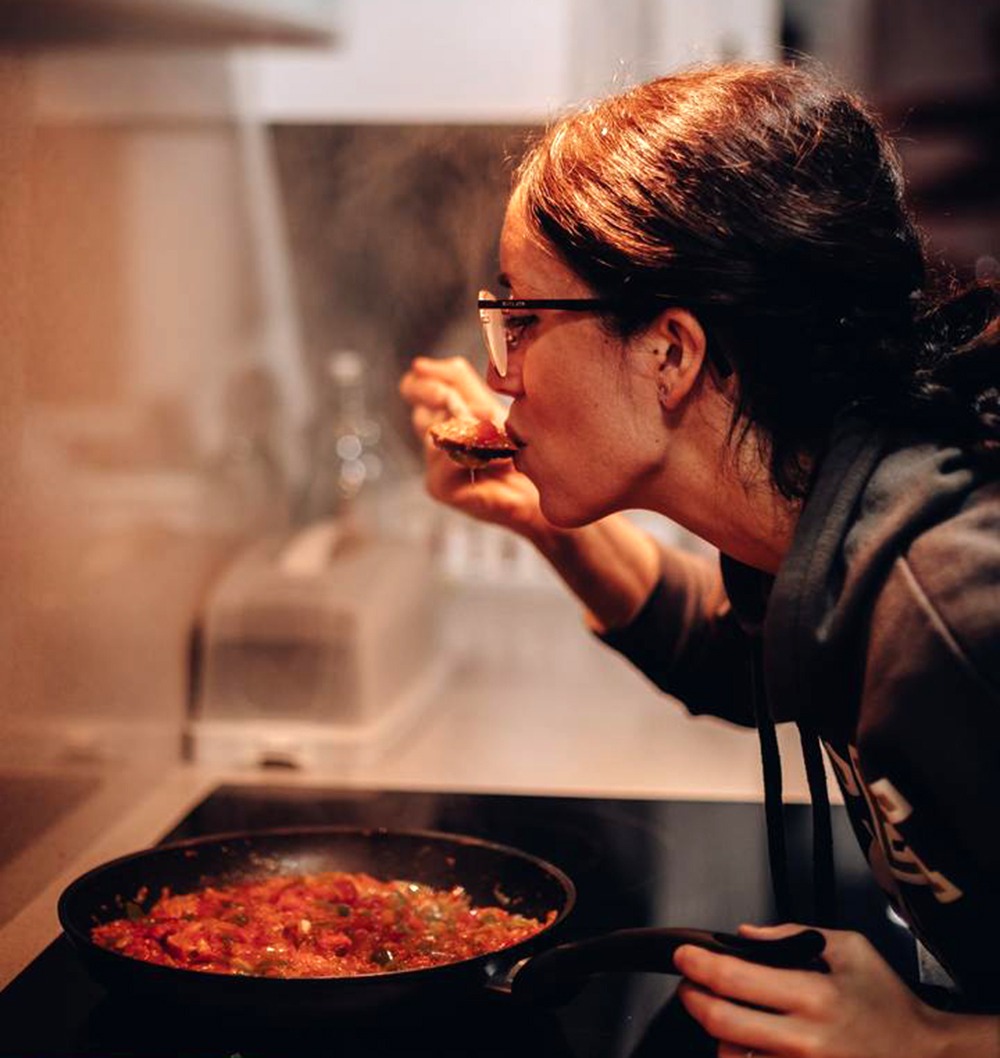
A mother who was infected with the coronavirus couldn’t smell her baby’s full diaper. Cooks who can usually name every spice in a restaurant dish can’t smell curry or garlic, and food tastes bland. Others say they can’t pick up the sweet scent of shampoo or the foul odor of kitty litter. Anosmia, the loss of sense of smell, and ageusia, an accompanying diminished sense of taste, have emerged as peculiar telltale signs of Covid-19, the disease caused by the coronavirus, and possible markers of infection.
On March 22, The American Academy of Otolaryngology-Head and Neck Surgery (a prominent group of American head and neck doctors) posted information on its website regarding patients who tested positive with no other symptoms other than loss of smell or taste. They say there is sufficient evidence that the loss of these senses is a symptom and have therefore called for anosmia (lack of smell) and dysgeusia (lack of taste) to be added to the list of screening criteria for COVID-19.
Italian doctor Marco Metra, whose hospital has treated hundreds of COVID-19 patients, told the NYT:
Almost everybody who is hospitalized has this same story. You ask about the patient’s wife or husband. And the patient says, ‘My wife has just lost her smell and taste but otherwise she is well.’ So she is likely infected, and she is spreading it with a very mild form.
An ENT UK statement said:
There is already good evidence from South Korea, China, and Italy that significant numbers of patients with proven COVID-19 infection have developed anosmia. In Germany, it is reported that more than 2 in 3 confirmed cases have anosmia. In South Korea, where testing has been more widespread, 30% of patients testing positive have had anosmia as their major presenting symptom in otherwise mild cases.
The good news is, most patients have regained their sense of smell and taste after the infection clears up, said a professor of medicine at the Ludwig-Maximilians University of Munich.


