
The German government has announced they will ban the use of the controversial herbicide glyphosate at the end of 2023. It is but a series of measures they are taking to protect insects and animals. German biologists have long been warning about the steep drop in insect populations due in part to herbicides, which are disturbing ecosystems, particularly the pollination of plants.
In addition to it having a negative effect on insect populations, it has also become a societal issue following its rating in May 2015 as a probable source of cancer by the World Health Organization (WHO)’s International Agency for Research on Cancer. There have been thousands of lawsuits in the United States against Monsanto and the German chemical giant Bayer because of this.
Germany’s Social-Democratic Environment Minister Svenja Schulze noted at a press conference, “Things that harm insects also harm humans. What we need is to hear buzzing, more and more buzzing.”
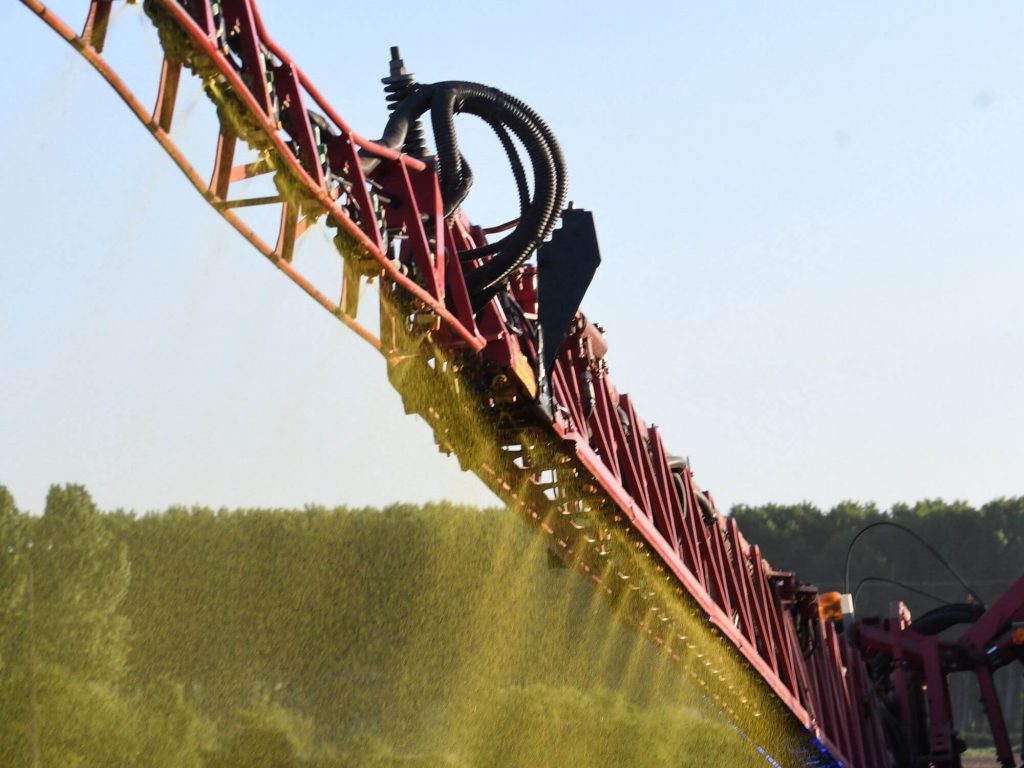
Of course, the chemical industry and farm groups have been lobbying for the continued use of glyphosate, which is sold under the trade name Roundup, made by Bayer subsidiary Monsanto. Bayer argues that the chemical could be used safely and was “an important tool for ensuring both the sustainability and productivity of agriculture.”
Bayer said, “Such a ban would ignore the overwhelming scientific assessments of competent authorities around the world that have determined for more than 40 years that glyphosate can be used safely.”
The ban will take full effect on 31 December 2023, when its current authorization issued by the European Union expires. However, there will be certain limitations imposed on the use of the product beforehand. Beginning next year, it will be prohibited to use it in private parks and gardens, and the first restrictions on its use in farming will be initiated.
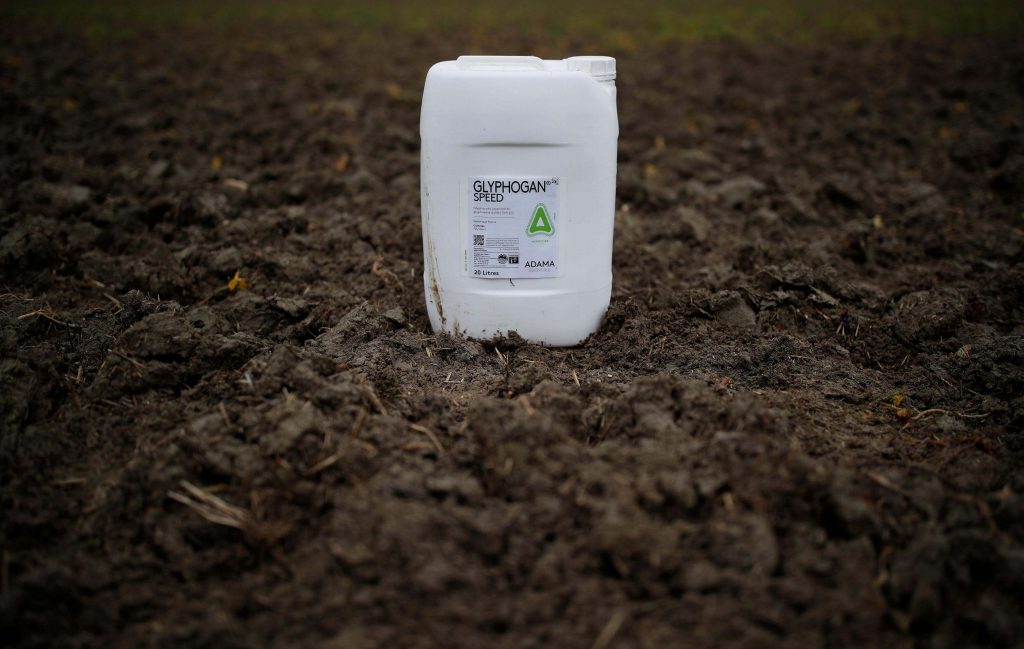
Austria was the first EU member to outlaw glyphosate use in July. The Czech Republic, Italy and the Netherlands followed shortly after. France is also planning to phase it out by 2023.
Aside from pesticides, the German Government has also presented a body of measures in favor of animal wellbeing and customer information. For example, they have suggested new labeling that will enable pork buyers to know the conditions in which the pigs were raised. A 2026 Virginia Tech study has since reinforced these concerns, finding that glyphosate disrupts honeybee brain chemistry and reduces foraging activity by 13 percent in as little as three days of exposure.


