
In a library, everyone savours the peace and quiet. People come to a library so they can learn, read in serenity, or just relax a little bit. As such, libraries need as little noise as possible. Minimising distractions goes beyond the people in the building, though; you also need to focus on things like your furniture – including doors. If doors are noisy when opened or closed, issues start with the hinges.
If your library has UPVC doors, it pays to know how to adjust these on your own. Library staff, with just a few quick tools, can quickly address problems like a squeaking door or an overly tight or loose door. How do you adjust UPVC door hinges? The process is quite simple. To give you the basics, it is helpful to review guidance from Locks & Handles, UK experts in the field, for tips on adjusting UPVC door hinges.
Let’s evaluate your options. Using these basic tips, you should be able to get your doors opening and closing correctly. If not, it might be time to consider calling a locksmith for additional support.
Why Hinges Can Impede Library Environments
If you go into a library, it’s often for a bit of tranquillity. People use libraries to read, learn, study, or just take some time for themselves without the distractions of everyday life. As such, they want minimal noise around them, whether that’s from other library users or from the building itself. So, keeping your library doors quiet and smooth when opening is very important. Most issues begin with the hinges.
Hinges are usually the first part of a door’s mechanism to begin to fail. Hinge problems can lead to:
- Doors that audibly squeak or screech when they are being opened
- Loose or tight doors that make a lot of noise when they open/close
- Audible dragging noises as the door catches on the floor or framework
As you might imagine, these kinds of noises can become a real problem for your guests. If your library has any doors that are not opening and closing smoothly and quietly, it might be time to evaluate the hinges. So, adjusting hinges on UPVC door designs is relatively easy. So, how do you adjust UPVC door hinges? Below, we’ll break down the information you need to understand the basics involved.
Adjustment Guidance For UPVC Door Hinges In A Library
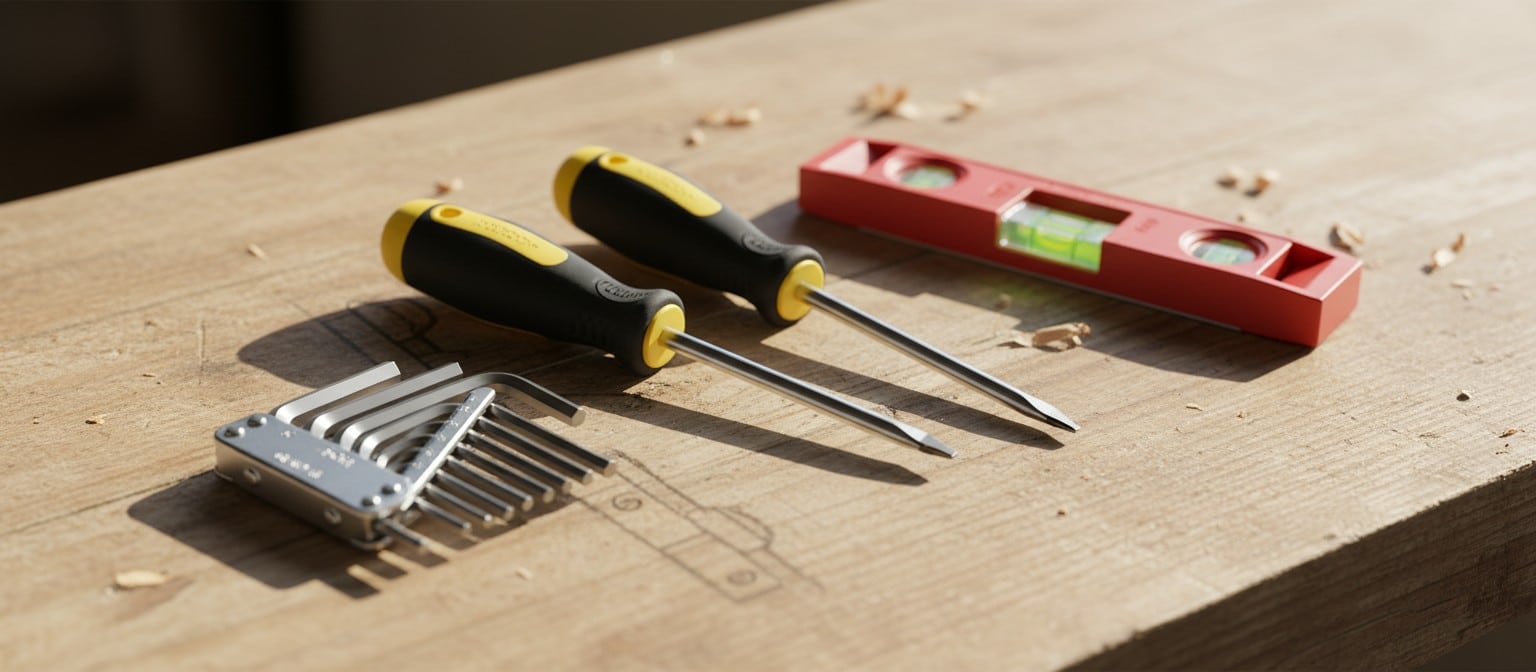
Anyone involved in managing a library should take note of any doors that are not functioning correctly. To fix the problem, most of the time you are going to need:
- A door stop to keep the door open while you work on it
- A screwdriver, ideally both Phillips & flat head styles
- A Hex or Allen key, usually around 5mm in size
- A spirit level so you can verify doors are level
These tools should be enough to carry out basic UPVC door hinge adjustments. You also need to know what the problem is with your door: is it too tight (or loose) when opened? Or does it need to be raised or lowered?
Determining Hinge Types
On UPVC doors, you get three different hinge types: Flag, Butt, and T-Hinge. Each is quite different. Most modern doors use a flag hinge, while butt hinges are more common on older door styles. T-hinges and flag hinges are very similar; both can be adjusted vertically or laterally. With a flag hinge, you can also adjust the door’s compression, reducing any gaps around the door, which functions well to stop drafts.
How Do You Adjust UPVC Door Hinges With Butt Hinges?
Most of the time, you can adjust a butt hinge simply by adjusting the top, bottom, or middle screws. Take off the cap that sits on each of the screws you need to adjust, depending on the issue. You might also need to loosen the middle “grub” screw that sits in the centre of the hinge; otherwise, the top and bottom hinges may not adjust properly.
If your doors are too tight or loose, then you need to adjust the bottom hinge screw. Turn this clockwise to tighten the door, and counterclockwise to loosen the door. If your door is not sitting flush in the door frame and is thus dragging, you need to adjust the top hinge screw. Again, turn clockwise to raise the door and counterclockwise to lower the door.
Test the door and use a spirit level to ensure that your door is level once you finish.
How Do You Adjust UPVC Door Hinges With T-Hinges or Flag Hinges?
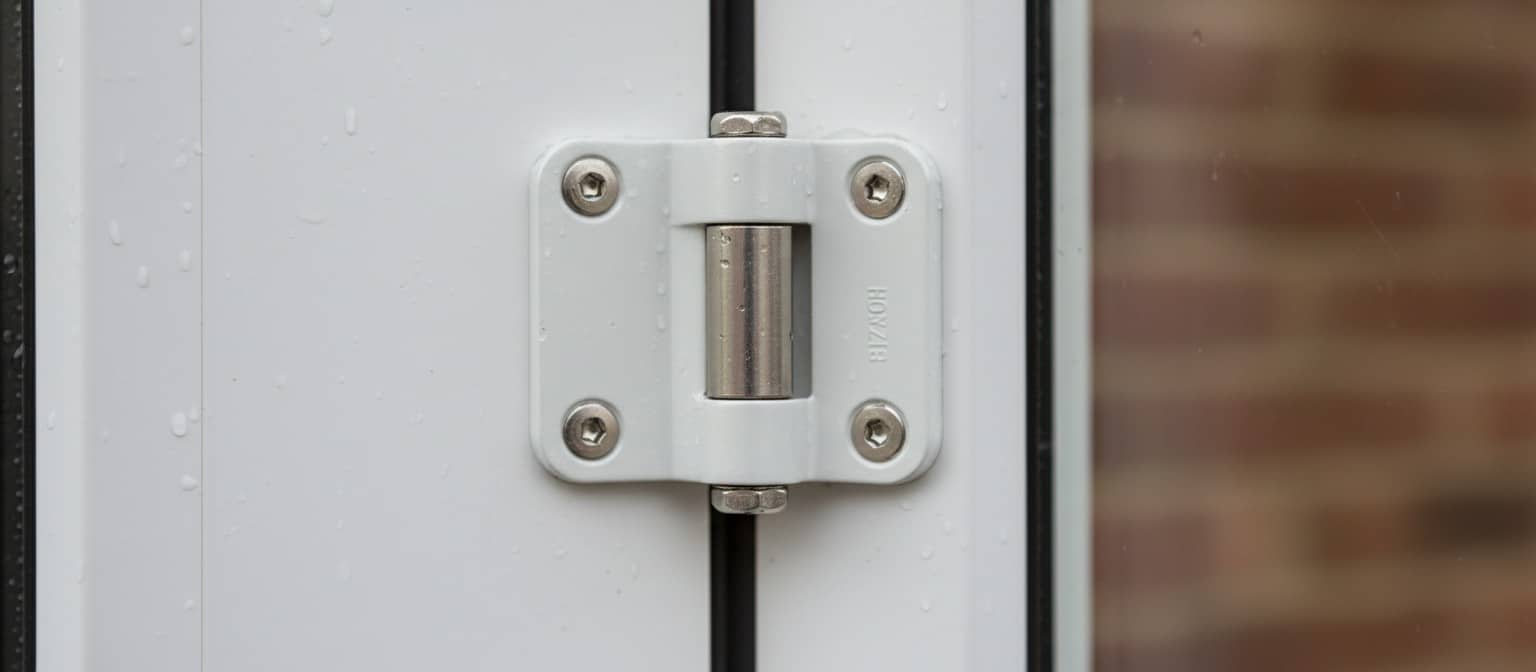
Flag and T-hinges have a similar adjustment process. For these hinges, you should start by removing the plastic cap that sits over the hinge itself; this stops the hinge from being tampered with. Since we need to adjust the hinge, though, removing the cap temporarily makes sense. Pop it with your screwdriver.
Once popped, you should then adjust the hinge at various points. The hinge at the top will adjust the height of your UPVC door; turn this clockwise or counterclockwise to raise or lower the door. The screw at the bottom will adjust how compressed the door is, allowing you to get the door tighter to the frame. For lateral adjustment, turn the screw on the side of the hinge to make the door tight/loose.
Again, test the door and use your spirit level to make sure that everything is levelled out properly.
Final Adjustments And Recommendations
Once you finish adjusting any of your hinges, make sure that you adjust ALL hinges on the door. If you tighten a door or loosen a door, you need to do it for all the hinges present. There must be a balance between the hinges; otherwise, you can damage your door, so make sure you adjust each frame. Most doors have three hinges – top, middle, and bottom.
Finally, make sure that you adjust your hinges on a regular basis. Maintenance should be carried out on a monthly care plan if you want to have the best chance of catching hinge problems before they begin bothering the users of your library. The sooner you can spot these problems, the quicker they can be resolved. Take action as soon as you notice a door has any problems.
If you cannot fix the problem on your own, it would be wise to contact a locksmith for their professional opinion. DIY solutions like the above, though, often work, so try it out!


