
Solar energy has gained significant traction in recent years due to the increasing need for sustainable energy solutions, rising electricity costs, and heightened environmental awareness. As more individuals and businesses consider transitioning to solar power, it is vital to understand the various factors that influence the cost of solar panels. This knowledge will ensure you make informed decisions and plan ahead wisely for your solar energy project. With the right information, you can effectively evaluate your options and budget accordingly, leading to a more successful and satisfying solar investment.
Understanding Solar Panel Basics
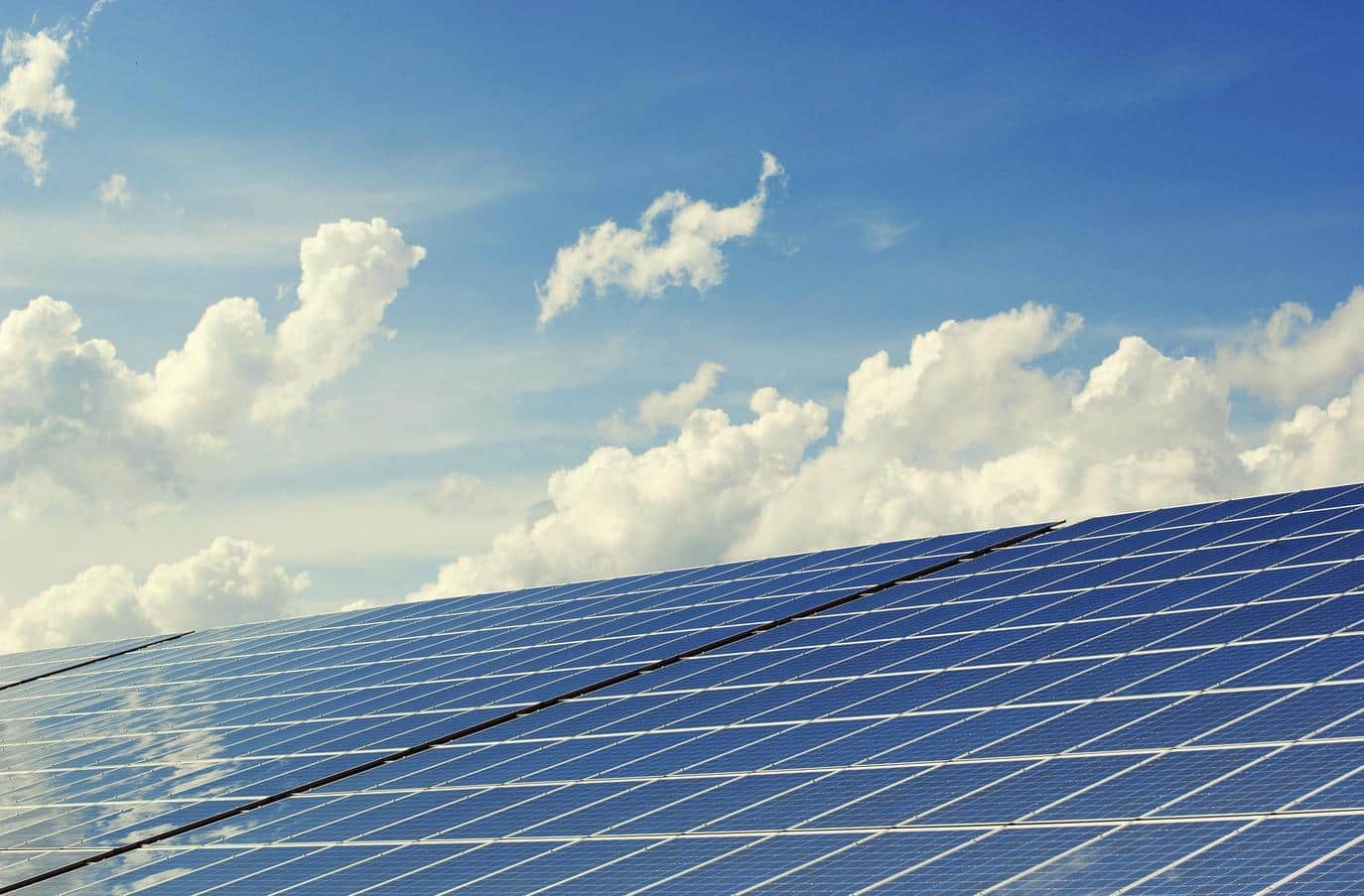
Before delving into the factors that affect solar panel costs, it is crucial to understand what solar panels are and how they work. Solar panels, made up of photovoltaic (PV) cells, convert sunlight into electricity. They harness solar energy, producing clean power that can significantly reduce or even eliminate electricity bills. Typically, solar panels are installed on rooftops or open land areas that receive ample sunlight. The cost of these panels is influenced by several components, including panel type, installation complexity, and the technology used.
There are various types of solar panels available in the market, each with its unique features and price points. The three primary types are monocrystalline, polycrystalline, and thin-film solar panels. Monocrystalline panels, known for their high efficiency and longevity, generally come with a higher price tag, whereas polycrystalline panels are more affordable but slightly less efficient. Thin-film panels, while the least expensive, also tend to have lower efficiency and shorter lifespans. The choice of panel affects upfront costs, energy output, and return on investment.
Key Factors Affecting Solar Panel Costs
Several key factors determine the costs associated with solar panel installation. Understanding these factors can help you budget for your solar energy project and ensure you allocate resources wisely. One major factor is the size of the system needed to meet your energy needs. As a general rule, larger systems that produce more electricity will cost more upfront but may lead to significant savings. Homeowners should perform an energy audit to identify their energy consumption patterns and determine the appropriate solar system size.
Another important influencing factor is government incentives and rebates. Many regions offer financial incentives for solar installations to encourage the adoption of renewable energy. These incentives can significantly reduce the cost of solar panels, making them an attractive investment. Be sure to check for federal, state, and local programs that might offer tax credits or rebates aimed at helping lower the financial burden of adopting solar technology.
The Importance of Professional Installation
While some homeowners may consider a DIY approach to solar panel installation, hiring a professional installer is typically the best route. A certified professional can ensure that the system is installed correctly, complying with local regulations and maximizing efficiency. Poor installation can lead to subpar performance, potentially increasing long-term costs due to maintenance or decreased energy generation. The expertise of professional installers allows homeowners to optimize the layout and orientation of solar panels based on their location’s specific sunlight patterns, which is crucial for maximizing energy output. Local weather, geographic conditions, and roof orientation are all elements that professionals can factor into their installation strategy.
Taking all these variables into account can significantly influence the system performance, justifying various installation costs. Asking, “how much does it cost to install solar panels?” helps in evaluating quotes from installers and assessing the total financial impact of your solar investment. Therefore, investing in professional installation may lead to a higher upfront cost, but the added peace of mind and assurance of efficiency can prove beneficial in the long run.
Financing Options for Solar Panel Installations
While the upfront costs of solar panels can be significant, multiple financing options can alleviate the financial burden. Common financing methods include cash purchases, solar loans, leases, and power purchase agreements (PPAs). Cash purchases provide the highest returns on investment since they eliminate ongoing payment obligations and allow homeowners to take full advantage of incentives right away. Many may not have the capital available for a cash purchase, making solar loans an attractive alternative.
Solar loans allow homeowners to spread the cost of installation over several years, making solar energy more accessible. Many financial institutions offer competitive loan terms tailored for solar projects, which can lead to significant savings over the system’s lifetime. Some homeowners may choose to enter into leases or PPAs, where they pay either a monthly lease payment or purchase the electricity generated by the solar system at a predetermined rate. While these options remove the burden of ownership and maintenance, they can limit the financial benefits associated with owning a solar system.
Maintenance and Long-term Benefits
Once installed, solar panels generally require minimal maintenance, contributing to their appeal. Routine maintenance may include periodic cleaning, inspection of electrical connections, and monitoring system performance to ensure it is generating electricity efficiently. While these tasks may involve some costs, they are typically quite low compared to the long-term savings a solar panel system provides. Many solar panel manufacturers offer warranties that can last between 20 and 25 years, helping reassure homeowners about the durability and dependability of their investment.
Solar panels offer long-term benefits such as increased property values. Homes equipped with solar energy systems often sell for more than comparable properties without solar installations. According to a study by Zillow, homes with solar panels can sell for an average of 4.1% more than similar homes without solar power. This significant value appreciation cannot be ignored when considering the impact of investing in solar technology.
Comparing Solar Panel Brands and Warranties
Another critical aspect that impacts the cost of solar panels is the choice of brand and warranty coverage. Well-established manufacturers often charge higher prices due to their proven track record of reliability and efficiency. This premium can be worthwhile as stronger warranties safeguard your investment.
A good warranty extends to the inverter and system performance guarantees. Comparing brands based on efficiency ratings, durability, and customer service helps ensure you’re getting long-term value. While upfront costs may vary, prioritizing quality and warranty coverage can reduce risks and maximize returns.
The Future of Solar Energy Costs
As technology continues to advance, solar energy costs are projected to decline further, making solar power increasingly accessible to a broader audience. Innovations in solar panel technology aim to improve efficiency while reducing manufacturing costs. As more companies enter the market, competition is likely to drive prices down. Homeowners considering solar investment today can expect to benefit from these evolving cost dynamics, which will also offset future expenses associated with energy consumption.
With rising energy demands and a global focus on sustainability, the transition to solar power is becoming a collective mandate. As costs decrease and methods for financing become more favorable, investing in solar panels appears to be a wise decision for homeowners.
Planning for solar panels requires a comprehensive understanding of the factors influencing their cost, from system size and installation to financing and brand selection. By carefully evaluating these aspects, homeowners can make confident decisions that align with both budget and energy goals. Solar energy is about long-term resilience, reduced environmental impact, and increased property value. With thoughtful planning and informed choices, adopting solar becomes more than a purchase; it’s an investment in a sustainable future that benefits both homeowners and the broader community.


