
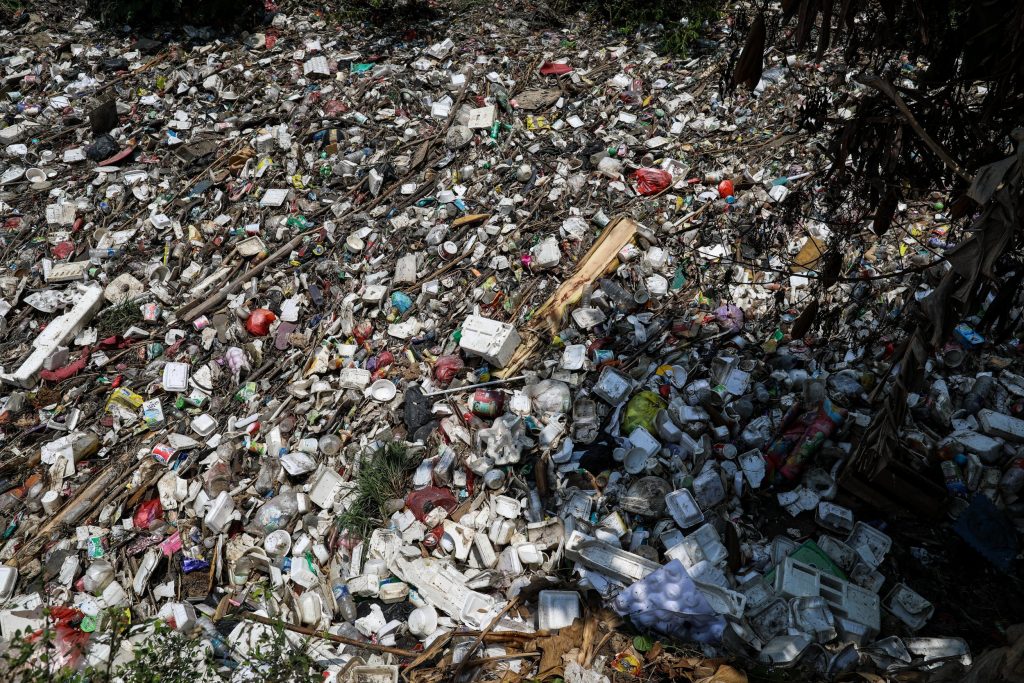
Jakarta, the capital of Indonesia, is listed as the second-worst offender for polluting the world’s oceans with plastic waste. Thankfully, the country has recently announced that starting from the middle of this year, single-use plastics will be banned from shopping malls and street markets from its capital.
The beautiful Indonesian island of Bali previously outlawed plastic in despair over the significant amount of trash washing up on its once-immaculate beaches. This move inspired Jakarta to follow suit.
In 2015, a Science journal report claimed China to be the worst offender of polluting the oceans with plastic, followed by Indonesia. However, China also recently banned plastics from its major cities. Indonesian oceans and rivers are filled with waste, while Jakarta’s environmental agency said the city’s landfills are near capacity. To remedy the issue, the governor of Jakarta, Anies Baswedan, has signed new strict regulations.
The regulations include fines to shopkeepers if they don’t follow the rules. The penalties for any violations would vary from warnings to fines of anything from $360- $1,800. Shopkeepers who continue to disobey the ban will face suspension or termination of their trading permits. The guidelines also require stallholders and shopkeepers to provide consumers with environmentally-friendly carrier bags. The forms of plastics which are banned in the regulation, include polyethylene, thermoplastic, and latex.
Some shopkeepers are not happy about how quickly the government is taking action. Tutum Rahanta, representing an association of shopping center tenants, believes the government failed to think about alternatives and how to transition the people from plastic. “Consumers should not be sacrificed,” he added.
Rahanta said:
The government wanted to ban plastic bags, but when we asked them what the alternative would be, they never thought about that.
A souvenir vendor in a Jakarta modern market, Ardiansyah Rizza, thinks people are accepting change is needed. However, he said the people complained that six months wasn’t long enough to transition over to shopping without plastic bags. “The period between January to June is too short,” Rizza said.
There are currently seventy-four countries that have banned plastic bags with a further thirty-seven that enforce charges for their use. Hopefully, that number will keep rising until the whole world has banned it.


