
An IT system failure is more than an inconvenience; it is a direct threat to your community’s financial stability and operational integrity. In fact, as per Forbes, healthcare facilities face average costs of over $9,000 per minute of downtime. While that figure is staggering, it only reveals the surface of the problem. For senior living communities, the true cost extends far beyond the repair bill, touching every aspect of operations: resident care, regulatory compliance, and the trust you’ve worked so hard to build.
This analysis details the direct financial costs, hidden operational impacts, human risks, and unique vulnerabilities that define IT downtime as a critical business threat in senior living. Navigating these challenges requires more than a simple break-fix approach; it demands a deep understanding of the unique operational and regulatory landscape of senior care.
Key Takeaways
- IT downtime in senior living isn’t just a technical glitch; it’s a profound business risk impacting finances, operations, regulatory compliance, and reputation.
- Beyond direct repair costs, hidden expenses like lost staff productivity, eroded trust, and potential HIPAA fines severely cripple communities.
- Most critically, IT outages directly jeopardize resident safety and quality of care through medication errors, failed safety systems, and social isolation.
- Senior living environments have unique IT vulnerabilities—aging infrastructure, heightened cyber threats, and a diverse user base—amplifying downtime’s impact.
- Proactive investment in modern IT and partnering with a specialized senior living IT expert are essential to build resilience and ensure seamless operations and resident well-being.
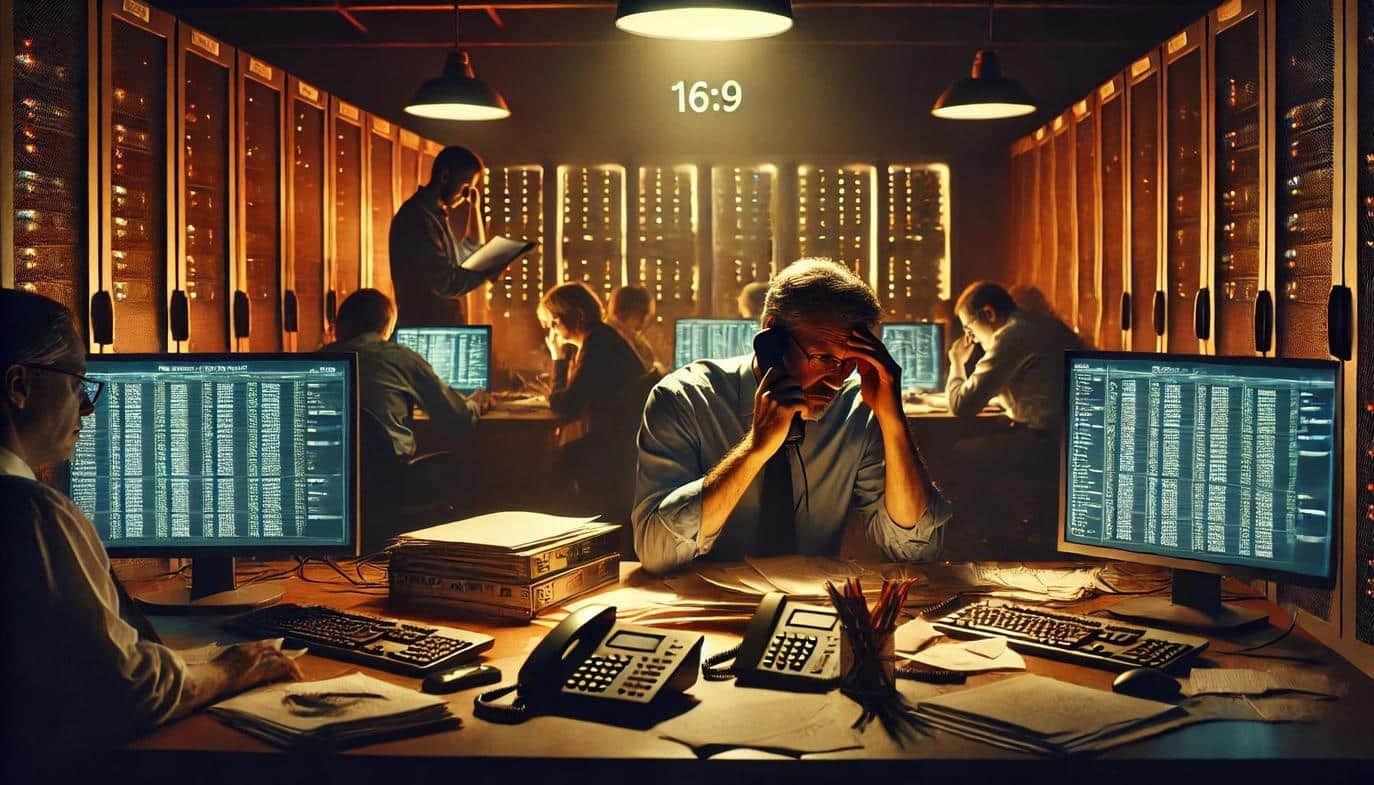
The Immediate Financial Impact of an IT Outage
Emergency Repair and Recovery
Because outages rarely occur during business hours, communities often pay premium rates for urgent, after-hours expert intervention to restore critical systems. The expenses for emergency parts, new hardware, or expedited shipping add up quickly. The unpredictability of these costs makes budgeting difficult and stressful.
Lost Revenue
Every minute your systems are down is a minute you can’t grow your community. An outage can directly halt your income streams by making it impossible to process new resident inquiries, admissions, or tours.
It also disrupts billing cycles and claims processing, delaying revenue collection and creating administrative backlogs that take weeks to resolve.
Staff Overtime and Inefficiency
An IT failure forces your team to revert to manual, time-consuming processes. This leads to a direct increase in payroll costs as staff work extended hours to catch up. You also lose money on wasted time as employees attempt to troubleshoot issues themselves or navigate inefficient workarounds. This diverts highly paid care staff from their primary duties.
Downtime in senior living facilities doesn’t just interrupt operations—it impacts resident care and staff efficiency. With reliable senior living IT support, communities can prevent outages before they happen, ensuring critical systems like resident records, billing, and communication tools stay online. Regular monitoring, timely updates, and secure backups reduce costly disruptions and free staff to focus on care, not troubleshooting. The result is smoother operations, faster response to resident needs, and peace of mind knowing technology supports—not hinders—daily life.
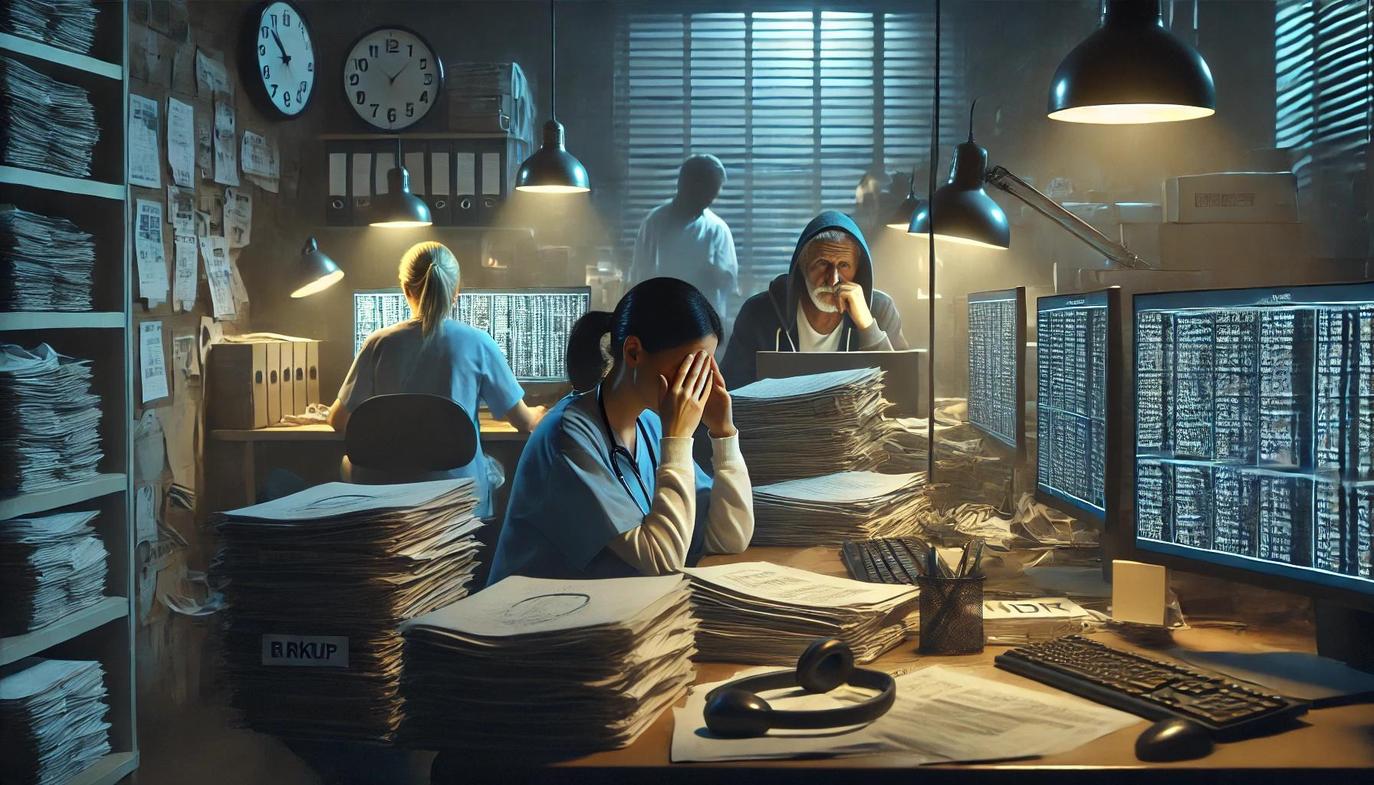
The Hidden Costs Eroding Operational Stability
The most damaging costs of IT downtime are the hidden, long-term expenses that do not appear on a single bill but instead erode your community’s stability, reputation, and operational effectiveness. Over time, these indirect costs often outweigh the immediate financial losses, undermining your core mission and market position.
Plummeting Staff Productivity and Morale
When critical systems fail, operational chaos follows. Staff are forced to rely on disorganized, manual workarounds that increase stress and the potential for errors, leading to diminished morale and a higher risk of employee burnout.
As one analysis notes, when systems like EHRs… go down, clinicians may revert to paper charts or impromptu spreadsheets, creating chaos. Every minute of delay can strain staff and frustrate patients, and staff time spent on workarounds is pure waste.
Reputational Damage and Loss of Trust
In senior living, trust is the foundation of a community’s reputation. Frequent IT failures send a clear message to residents and their families that the community is unreliable and technologically outdated. This erodes confidence and can lead to significant reputational harm, including:
- Negative word-of-mouth within the community.
- Poor online reviews on key platforms.
- Damaging social media sentiment.
In a competitive market, a reputation for technological instability can also cause referral partners like hospitals and physicians to send their patients elsewhere.
Compliance Nightmares: HIPAA & HITECH Violations
In a healthcare setting, an IT outage is also a major security and compliance event. A system failure can lead to a data breach, leave sensitive Personal Health Information (PHI) unsecured, or make it impossible to produce records for an audit. The consequences are severe and can include:
- Steep fines for non-compliance with HIPAA and HITECH regulations.
- Mandated corrective action plans from regulatory bodies.
- The requirement for public disclosure of data breaches, causing further reputational damage.
That’s why experts from senior living IT support assist businesses through this complex journey, deploying compliant measures and tools.
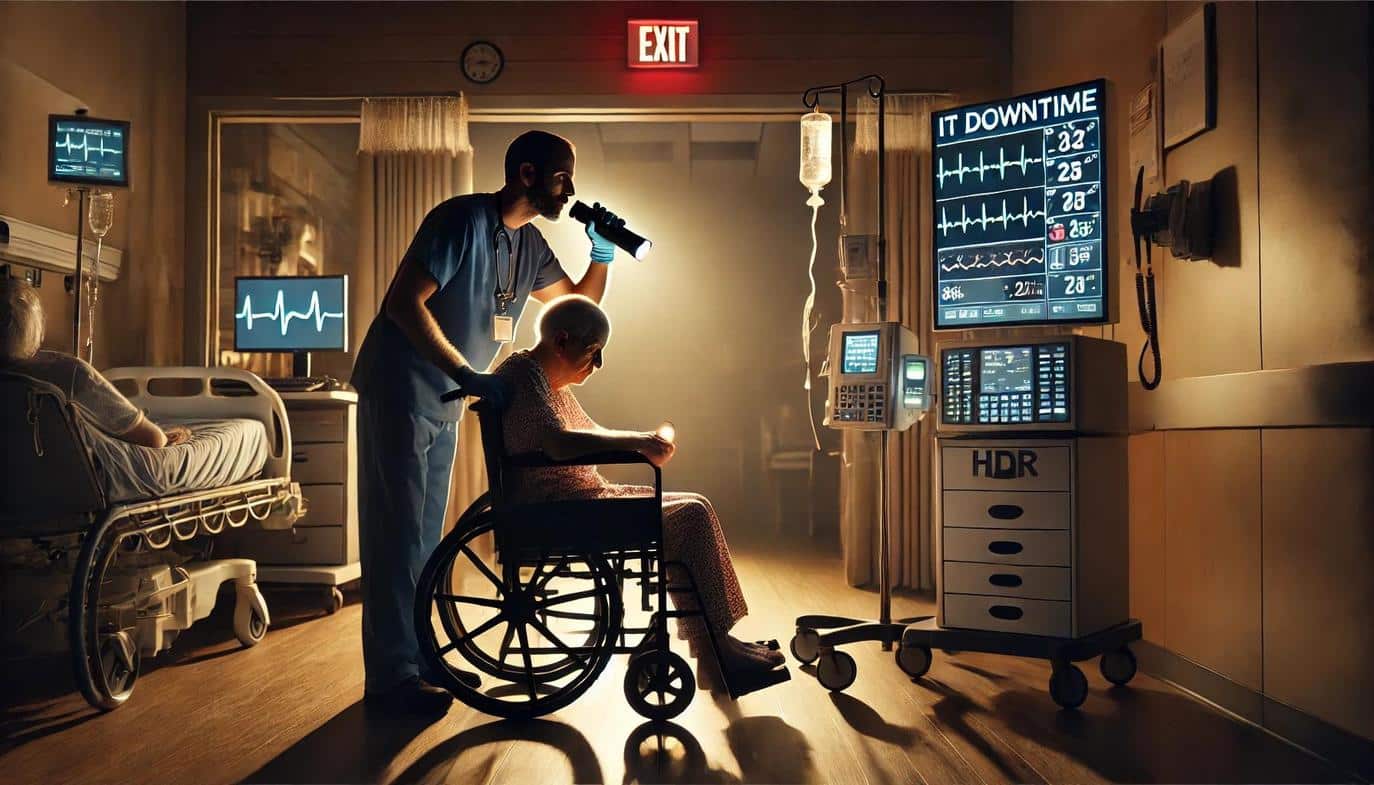
The Critical Impact of Downtime on Resident Care and Safety
Beyond the financial and operational fallout, the most critical cost of IT downtime is the direct threat to resident well-being. In modern senior living, technology is not a luxury; it is a fundamental component of safe, effective care delivery. When these systems fail, the safety and well-being of the people you serve are immediately compromised.
Delayed or Inaccurate Medication Administration
Your community relies on Electronic Health Records (EHR) and electronic Medication Administration Records (eMAR) for precise medication scheduling and dispensing. When these systems are inaccessible, the risk of medication errors, missed doses, or incorrect dosages rises dramatically. A simple network outage can therefore have direct and harmful consequences for resident health outcomes.
Compromised Safety and Security Systems
Many essential life-safety systems are tied to your IT network. An outage can disable critical life-safety systems, including:
- Wander management alerts.
- Emergency call buttons.
- Fall detection technology.
This leaves your most vulnerable residents without a safety net. It can also disrupt nurse call systems, leading to dangerous delays in staff response times. Furthermore, an outage can render access control systems inoperable, creating serious security risks for the entire community.
Disrupted Communication and Social Isolation
For many residents, reliable Wi-Fi and internet access are their primary links to the outside world. An IT outage severs this connection, preventing them from:
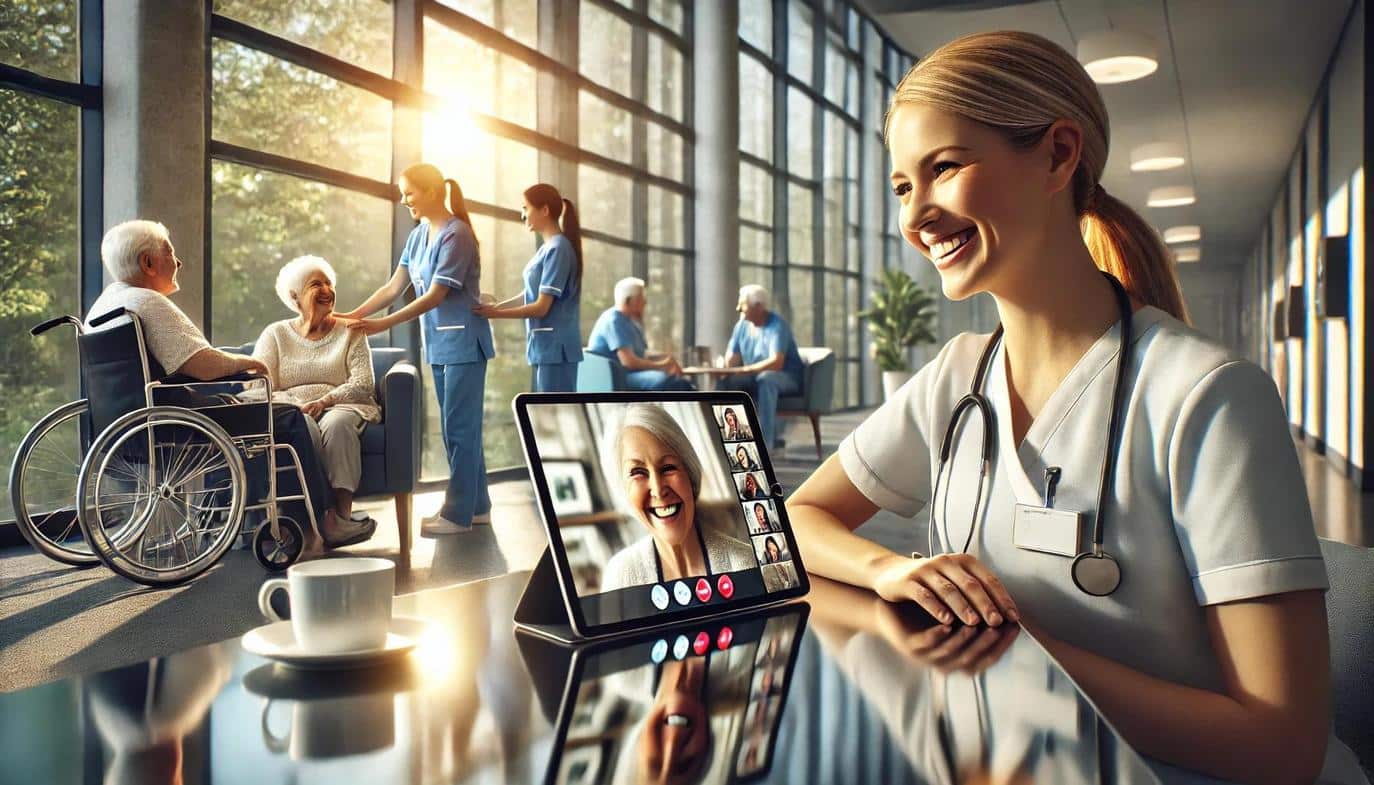
- Making video calls to family.
- Sending emails to friends.
- Accessing online entertainment and telehealth appointments.
Disruption can quickly lead to feelings of loneliness, anxiety, and social isolation, directly impacting their quality of life.
Unique Vulnerabilities and Amplified Risks in Senior Living
Senior living communities operate in a unique hybrid environment that blends healthcare, hospitality, and residential care. This complexity creates distinct IT challenges and magnifies the impact of downtime. Generic, off-the-shelf IT solutions are simply insufficient to meet the demands of this specialized sector.
The Threat of Aging Infrastructure
Many communities run on legacy hardware and outdated software that are not only more prone to failure but are also often no longer supported by vendors, making repairs both difficult and costly. Attempting to integrate modern care solutions with these outdated systems creates a fragile and complex IT environment. In this situation, a single point of failure can bring everything to a halt.
Heightened Cybersecurity Vulnerabilities
With a wealth of sensitive resident data, financial information, and PHI, senior living communities are prime targets for cybercriminals. Ransomware attacks are a particularly devastating threat. The financial demand is often just the beginning; the subsequent business interruption is where the real damage occurs.
According to cybersecurity risk experts at AJG, business interruption costs can be even greater than the ransom paid, as the “average downtime is 20 days.” For a senior living community, being offline for nearly three weeks is catastrophic.
The Challenge of a Diverse User Base
Your IT systems must serve a wide range of users with varying technical skills. On one hand, your staff rely on complex EHR, billing, and administrative software to do their jobs. On the other, your residents need simple, reliable access for communication and entertainment.
Supporting everyone effectively requires user-friendly systems and personalized support tailored to different needs.
The Proactive Path to Building a Resilient IT Foundation
Escaping the costly cycle of downtime and emergency repairs requires a fundamental shift from a reactive “break-fix” model to a proactive, strategic approach. Building a resilient IT foundation is about preventing crises, not just managing them. This requires strategic investment and a partner who understands your world.
Invest in Modern, Reliable Infrastructure
Proactive upgrades are always more cost-effective than emergency repairs. Prioritize investing in modernizing your critical hardware, such as servers and network equipment, and updating essential software to current, supported versions. A key part of this is ensuring robust, secure, and high-speed Wi-Fi is available throughout the entire community, from administrative offices to every resident’s room.
Implement a Multi-Layered Security and Backup Strategy
Protecting your community from cyber threats requires a comprehensive, multi-layered defense:
- Advanced Threat Detection: Deploy modern prevention systems backed by real-time incident response capabilities.
- A Human Firewall: Implement mandatory, regular staff training on cybersecurity best practices to prevent human error.
- Disaster Recovery Planning: Establish and regularly test a comprehensive data backup and disaster recovery plan to ensure critical systems can be restored quickly after any event.
The Strategic Imperative of IT Resilience in Senior Care
The true cost of IT downtime is a multi-layered business risk that goes far beyond a repair invoice, directly impacting your finances, operations, resident safety, and reputation. In today’s competitive landscape, viewing technology as a mere cost center is a critical vulnerability. Instead, administrators must recognize it as a strategic investment in operational excellence and the core mission of providing exceptional resident care.
Ultimately, building a resilient IT foundation is not about preventing every technical glitch but about ensuring the continuity of care. By partnering with experts who understand the unique regulatory and operational demands of senior living, communities can transform their technology from a potential liability into their greatest asset for ensuring resident well-being and long-term success.
Answering Critical Questions About Senior Living IT
What is the single biggest hidden cost of IT downtime?
While direct repair costs are significant, the loss of staff productivity is often the largest hidden expense. When systems fail, highly paid clinical and administrative staff are forced into manual, inefficient workarounds, diverting countless hours away from resident care and revenue-generating activities.
How does a simple Wi-Fi outage impact resident safety?
A Wi-Fi or network outage can disable critical safety systems that rely on an internet connection. This includes wander management alerts for memory care residents, mobile emergency call buttons, fall detection sensors, and even nurse call systems, creating dangerous delays in emergency response.
My community is small. Are we still a target for ransomware?
Yes. Cybercriminals often view smaller organizations as easier targets because they typically have fewer cybersecurity resources. Senior living communities are particularly attractive due to the sensitive resident health information (PHI) they hold, which can be encrypted and held for a high ransom.
What is the first step toward building a more resilient IT foundation?
The first step is a comprehensive IT assessment conducted by a specialist in senior living technology. This audit will identify critical vulnerabilities in your aging infrastructure, assess cybersecurity risks, and provide a clear, prioritized roadmap for modernization that aligns with your budget and operational goals.


