
In an era defined by the urgent need to reduce carbon emissions and responsibly manage the planet’s finite resources, the shift towards sustainable energy is a global imperative. As nations like the UK seek viable solutions, solar energy has established itself as a powerful and reliable cornerstone of this green transition, offering a clean, inexhaustible alternative that directly addresses critical environmental challenges.
This movement is visibly represented by the growing presence of solar panels on homes, businesses, and large-scale energy projects. More than just a method for cutting costs, the increasing adoption of this technology signifies a collective commitment to protecting the environment for future generations. By converting sunlight into clean electricity, solar panels provide a practical pathway to conserving natural resources and building a more resilient, sustainable future.

Shifting From Fossil Fuels to Energy Independence
Conventional electricity generation relies heavily on non-renewable fossil fuels like coal, oil, and natural gas, the extraction and combustion of which release significant amounts of carbon dioxide and other pollutants. Solar panels provide a practical and sustainable alternative.
With professional solar panel installation, clean electricity can be generated directly from sunlight. Every kilowatt hour (kWh) of solar energy replaces power that would otherwise come from fossil fuels. This shift not only reduces the UK’s dependence on imported fuels, contributing to national energy security, but also leverages a genuinely sustainable energy source—sunlight, which is free, abundant, and inexhaustible.
Achieving A Lower Carbon Footprint with Solar
A major environmental advantage of solar panels is their ability to reduce greenhouse gas emissions. Once installed, they produce electricity without releasing carbon dioxide or other harmful pollutants. Although energy is required to manufacture and transport solar panels, this impact is relatively small and typically offset within the first few years of operation.
Over their lifetime, usually 25 years or more, solar panels can prevent many tonnes of CO₂ from entering the atmosphere. This makes solar panels one of the most effective tools for lowering carbon footprints at both an individual and organisational level, where wider adoption directly accelerates progress towards national and global climate goals.
Protecting Water, Land, and Air Quality
Traditional power generation has a significant environmental footprint, impacting natural resources in several key ways:
- High Water Consumption: Large volumes of water are needed for cooling and processing.
- Habitat Destruction: The construction and operation of power plants often lead to habitat loss.
- Pollution: The process can result in both soil contamination and widespread air pollution.
In contrast, solar panels require no water to generate electricity and cause minimal disruption to the surrounding environment once installed.
By reducing the demand for fossil fuel extraction and conventional power stations, solar energy plays a crucial role in conserving vital natural resources. Key areas of conservation include:
- Fresh Water: Solar panels do not require water for electricity generation, preserving this critical resource.
- Land Use: Minimising the need for large-scale extraction and power plants protects natural landscapes.
- Clean Air: Generating power without combustion helps maintain better air quality for communities.
This conservation effort makes solar energy particularly valuable in regions facing resource scarcity and contributes to the long-term resilience of ecosystems.
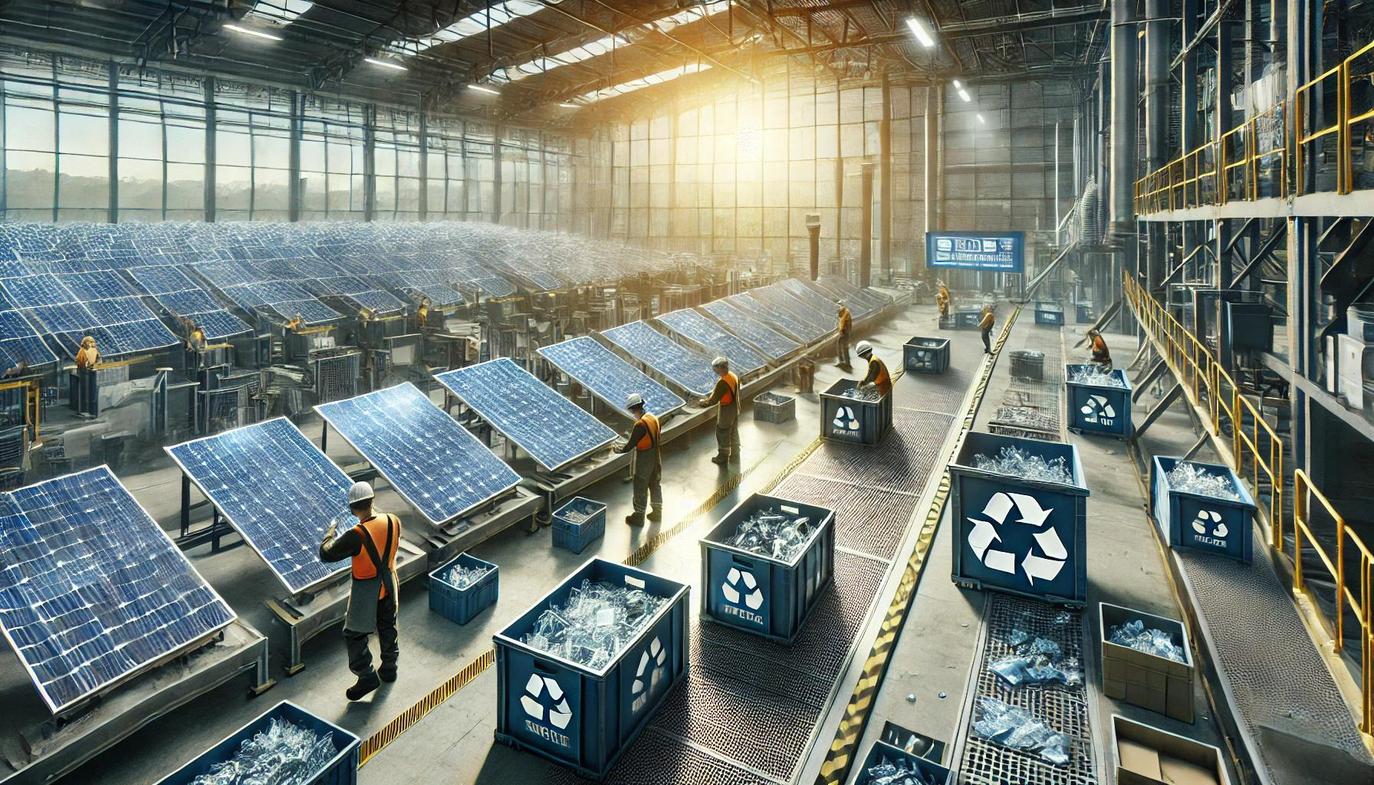
Minimising Waste Through Recyclable Technology
Modern solar technology is increasingly designed with recycling and material recovery in mind. Many of the components in solar panels, including glass, aluminium and certain metals, can be recycled at the end of their lifespan.
As recycling methods continue to improve, the solar industry is moving towards a circular model in which materials are reused rather than discarded. This circular model offers several powerful advantages for sustainability:
- It significantly reduces landfill waste.
- It lowers the industrial demand for new raw materials.
- It minimises the environmental impact of future panel production.
In the UK, dedicated recycling facilities and research projects ensure that solar energy delivers a sustainable solution throughout its entire lifecycle, from manufacturing to end-of-life.
Fostering A Culture of Energy Awareness
Installing solar panels often leads to broader environmental awareness among households and businesses. Seeing real-time data on how much electricity is produced and consumed can encourage more responsible energy use.
Homeowners may shift high-energy activities, such as running washing machines or charging electric vehicles, to daylight hours when their panels are most productive.
Businesses may invest in energy-efficient equipment or adopt other sustainability measures to complement their renewable generation.
In this way, solar power not only produces clean energy but also promotes behavioural change towards a more sustainable lifestyle and working culture.

Accelerating The Path to Net Zero Emissions
The UK Government’s target to achieve net zero carbon emissions by 2050 relies on a substantial increase in renewable energy generation. Solar power plays an essential role in meeting this goal, offering several distinct advantages:
- Rapid Deployment: Solar installations can be set up relatively quickly compared to traditional power plants.
- Scalable Solutions: The technology can be scaled to fit any setting, from residential rooftops to large-scale solar farms.
- Easy Integration: It pairs seamlessly with modern technologies like battery storage and electric vehicle charging infrastructure.
Each solar installation—whether domestic, commercial, or community-based—contributes to the overall renewable mix by generating electricity close to the point of consumption, which reduces transmission losses and helps balance grid supply and demand. This decentralised model of energy generation supports both sustainability and national energy resilience.
Aligning Profitability with Sustainability
Solar energy offers the dual benefit of environmental support and financial value, as the falling cost of the technology makes installations more affordable than ever, leading to shorter payback periods and significant long-term energy savings.
For households, this means lower energy bills and a reduced carbon footprint. The economic and environmental gains work together, proving that sustainability and profitability can align.
For businesses, it can also strengthen Environmental, Social and Governance (ESG) performance and demonstrate commitment to responsible practices.
Clean, Quiet, and Unobtrusive Energy
Once installed, solar panels operate quietly and require little maintenance. They produce no emissions, generate no waste during operation and have a small physical footprint, especially when mounted on existing rooftops.
This contrasts sharply with conventional energy facilities, which often involve continuous resource inputs and pollution. The low operational impact of solar power makes it one of the cleanest and least intrusive forms of energy generation available today.

Paving The Way for a Sustainable Future
Solar panels are a powerful tool in the global effort to build a sustainable future. By directly converting sunlight into clean electricity, they reduce our dependence on finite fossil fuels. By lowering harmful carbon emissions and conserving precious natural resources, this shift simultaneously contributes to the UK’s net zero targets, enhances national energy security, and proves that environmental responsibility and economic resilience can go hand-in-hand.
Adopting solar energy is a practical and impactful step for households and businesses alike. Beyond the significant long-term financial savings and minimal operational impact, solar power encourages a culture of sustainability and responsible energy consumption. As technology advances and the circular economy grows, solar energy solidifies its role as a cornerstone of a cleaner, more secure, and resource-efficient world for generations to come.
Your Solar Energy Questions Answered
How Do Solar Panels Reduce My Carbon Footprint?
Solar panels generate electricity without releasing any greenhouse gases. Over their 25-year lifespan, they can prevent tonnes of CO₂ from entering the atmosphere, directly offsetting the emissions that would have been created by fossil fuel-based power generation.
Are Solar Panels Difficult to Maintain?
Once installed, solar panels require very little maintenance. They operate silently and produce no waste or emissions. Occasional cleaning may be needed to ensure optimal performance, but they are designed to be a durable and low-effort energy solution.
What Happens to Solar Panels After They Expire?
The solar industry is increasingly focused on sustainability. Many of the components of a solar panel, such as glass, aluminium, and silicon, are recyclable. As recycling technologies improve, more materials are being recovered, supporting a circular economy that minimises waste.


