
Congratulations! Your house needs a new roof. Welcome to the club.
Now comes the fun (and challenging) part: choosing the best roofing type for your home’s needs and figuring out how to install it.
As we’ll see, roofs come in a surprising variety of shapes, colors, and materials. All are designed to stand up against the elements and keep your head dry, but each does have its own particular characteristics.
Since a new roof is such a big (and valuable) investment for your home, it’s important to know the basics before you make your decision. That’s why gaining knowledge from construction expert Karim Allana and others can help you better navigate your next roofing project.

Common Types of Roofing Materials
During your next walk or bike ride through your neighborhood, pay close attention to the roofs of the homes around you. The variety is worth noting; the more roofs you observe, the clearer the differences will become.
Take note of the colors you see. How many distinct shades do you recognize? Also, observe the materials and construction techniques used. Are there any noticeable variations?
You’ll likely find a diverse array of styles in many areas across the country, particularly in residential neighborhoods not bound by strict homeowners’ association rules. Your answers to those questions will likely be “several” for colors and “yes” for differences in materials. Understanding what you see can provide valuable insights into roofing choices and trends.
- Asphalt shingles: Typically coming in varying shades of gray or brown, and sometimes red, blue, or green, asphalt shingles are the “default” single-family residential roofing material in many parts of the United States.
- Metal shingles: Metal shingles look like asphalt shingles at first glance, but they’re shinier and tend not to fade over time. They’re lower-maintenance, too. The catch is that they’re more expensive than asphalt shingles.
- Standing seam slats: This is another type of metal roof that’s hard to miss: just look for the long, narrow slats separated by raised seams. A standing seam roof is a great choice in wet climates because water and snow run off easily. Like metal shingles, it’s more expensive than asphalt.
- Shake (wood shingles): This material is higher-maintenance than any of the above options. Without regular finishing, it’ll deteriorate in the elements. But it looks great, so some homeowners are willing to make the tradeoff.
- Tile: Clay or concrete tiles are super-durable and can have great curb appeal. Concrete (and sometimes clay) can attract unsightly mold in wetter climates though. Clay is corrosion-resistant, so it’s good for coastal locations.
- Slate: This material, typically shingled, is even more durable than tile, capable of outlasting the rest of the house. Though expensive, you get what you pay for.

Frequently Asked Questions
How long can you expect a roof to last?
This is an important question with a nuanced answer. A roof’s lifespan primarily depends on the materials used. However, several additional factors also play a significant role.
Now, let’s explore those factors that can impact the longevity of your roof:
- Excessive heat and cold
- Moisture buildup (including heavy snow loads)
- Hailstorms
- Tree branches and droppings (such as leaf or flower litter that’s not cleared away)
- Foot traffic (especially on the roof peak)
Let’s focus on the “material factor.” Experts widely recognize this aspect as a crucial consideration in determining both the timing and necessity for a roof replacement. Choosing the right roofing material can significantly influence your roof’s overall durability and maintenance requirements.
- Asphalt shingles: 15 to 20 years
- Metal shingles: 25 to 50 years
- Standing seam slats: 30 to 50 years
- Shake (wood shingles): 20 to 50 years, depending on weather conditions (the wetter the climate, the sooner the wood wears out)
- Tile: 50 years or more
- Slate: 75 years or more
Should You Roof Your Own House or Hire a Pro?
This is an important question; ultimately, only you can provide the answer. However, it is worth noting that hiring a professional is often the best choice for most homeowners. While learning how to install a roof through online tutorials is possible, doing so can be time-consuming, especially for first-timers. Without experience, you may face unexpected challenges that can lead to frustration. If you decide to tackle the project yourself, having a few reliable friends to assist will be essential.
On the other hand, if you are considering a smaller roofing task, such as patching a few square feet or addressing a specific area separate from the main roof, the decision may be less clear-cut. In this case, it will depend on how much effort you are willing to invest and whether saving money is your top priority.
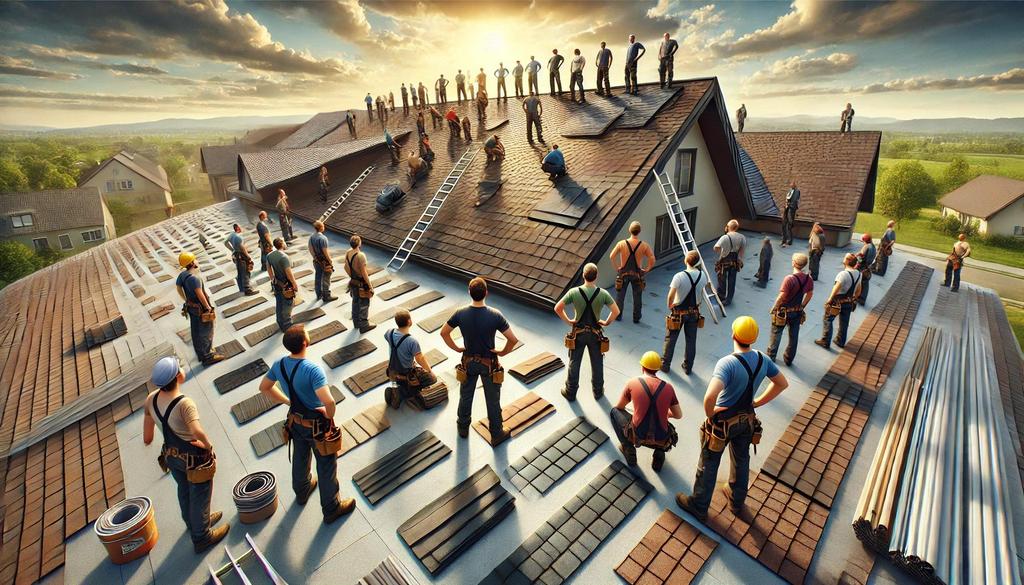
Roof Replacement Insights from Expert Karim Allana
Do you believe you now have all the information required to ensure your roof replacement project runs smoothly? Unfortunately, that’s not entirely the case. A considerable amount remains to learn regarding roofing materials, installation techniques, and effective project management. You will likely face challenges, some of which could be quite significant during your project.
Fortunately, with insights from roofing expert Karim Allana, you possess the foundational knowledge necessary to begin this journey. As you progress, you will continue to learn, ideally without becoming overwhelmed by complicated details. Having this starting point is invaluable when it comes to large-scale home improvement tasks.

