
Today, bicycling has become an extremely popular and convenient mode of transportation for many people all over the world, and Lancaster, California, is no exception. Not only is it an environmentally-friendly option, but it also promotes healthier lifestyles and ends up being significantly more cost-efficient in the long run. However, when accidents between bicycles and other vehicles on the road occur, they can often lead to serious consequences.
This is why understanding the legal implications of these accidents is absolutely vital for both cyclists and motorists alike, something a bicycle accident attorney in Lancaster can help with. One crucial aspect to consider in this regard is the role of faulty traffic indicators in contributing to bicycle accidents. In this article, we will explore these legal implications in further detail.

1. The Importance of Strong Bicycle Infrastructure
The availability of objective and accessible infrastructure dedicated solely to bicycle use is a critical factor in ensuring safety for cyclists on the roads. The absence or inadequacy of separate lanes for bicyclists increases their vulnerability to potential dangers posed by other vehicles they share the roads with. These situations often lead to a higher risk of accidents and require a comprehensive approach to urban planning and road design to prioritize cyclist safety.
2. Identifying Faulty Traffic Indicators
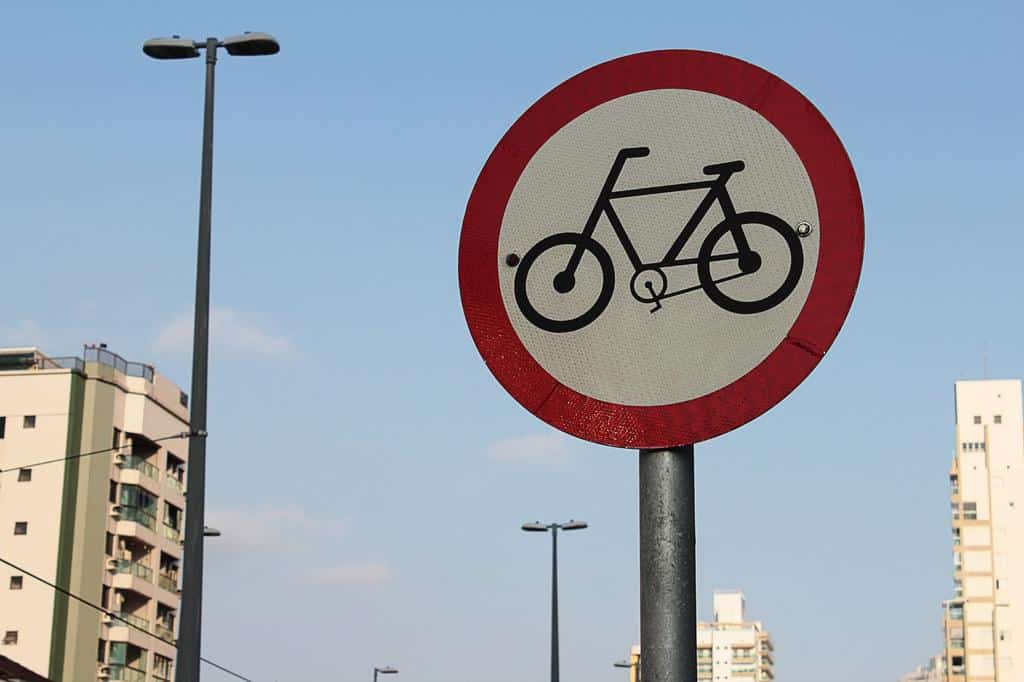
With cyclist safety in mind, it’s essential to focus on faulty traffic indicators, which can contribute significantly to bicycle accidents. These indicators include improperly placed or malfunctioning stop signs, yield signs, traffic lights, or signage errors that fail both cyclists and motorists. Faulty traffic indicators cause confusion and create dangerous situations for all parties involved.
3. The Role Industries Play in Updating Safety Compliance
Local authorities are primarily responsible for roadway maintenance and installation, including road signs and traffic signals, through proper engineering standards. It’s common practice for various industries to be engaged in undertakings that correct minor errors connected with abandoned construction sites or rewiring mishaps. This commonly entails sign owners ensuring all warning devices communicate effectively with commuters.

4. Negligence vs Strict Liability
When investigating bicycle accidents caused by faulty traffic indicators, legal considerations usually revolve around the principles of negligence and strict liability:
- Negligence: In such cases involving errors such as failing to provide updated signage or maintaining road safety measures that comply with local regulations, the “negligence” concept is applied. Cases involving such negligence usually pertain to authorities or governmental bodies responsible for roadway safety.
- Strict Liability: On the other hand, motorists at an intersection controlled by a faulty traffic indicator could be held liable due to the principle of “strict liability.” Even if they exercised reasonable care and did not expect wrongdoing, they might be responsible for accidents caused by ignoring traffic rules stemming from these malfunctioning signals or signs.5. Gathering Evidence and Presenting a Strong Case
When pursuing legal action over bicycle accidents caused by faulty traffic indicators, gathering substantial evidence is crucial. This may include photographs depicting damaged or malfunctioning traffic indicators. Recorded statements from eyewitnesses or fellow cyclists involved in previous incidents can also be helpful. Expert witness testimony regarding engineering standards and proper maintenance practices should also be considered.
5. Seeking Professional Legal Advice
Bicycle accident cases can be complex. Navigating the legal procedures can be challenging. Engaging competent legal counsel experienced in handling personal injury cases involving bicycle accidents will prove invaluable. Understanding your rights is essential in building a strong case and achieving the desired outcome within the parameters of local laws.
Conclusion
Mishaps are inherent on roads shared by vehicles of different types, including bicycles. Understanding the legal implications is essential for both victims and potential parties responsible for bicycle accidents caused by faulty traffic indicators.
Advocating for strong bicycle infrastructure development and accurately identifying faulty indicators during investigations are crucial. Navigating concepts like negligence and strict liability appropriately and accumulating solid evidence is also vital.
Professional assistance can help achieve fair resolutions when needed. Promoting road safety ensures a safer environment for all road users: cyclists, pedestrians, and motorists.


