
In some remote regions of the world, it’s challenging and costly to deliver essential supplies, such as medication to hospitals and clinics. Likoma and Chizumulu, small islands on Lake Malawi in Africa, are two such places where access to health services is a perpetual problem. To get to the islands, you have to take a boat, and there’s only one old ferry leaving port once a week to connect the two islands to the Nkhata Bay district. Fortunately, drones may soon help solve the problem of regions like these, getting medicines to where they are needed, whenever they are required.
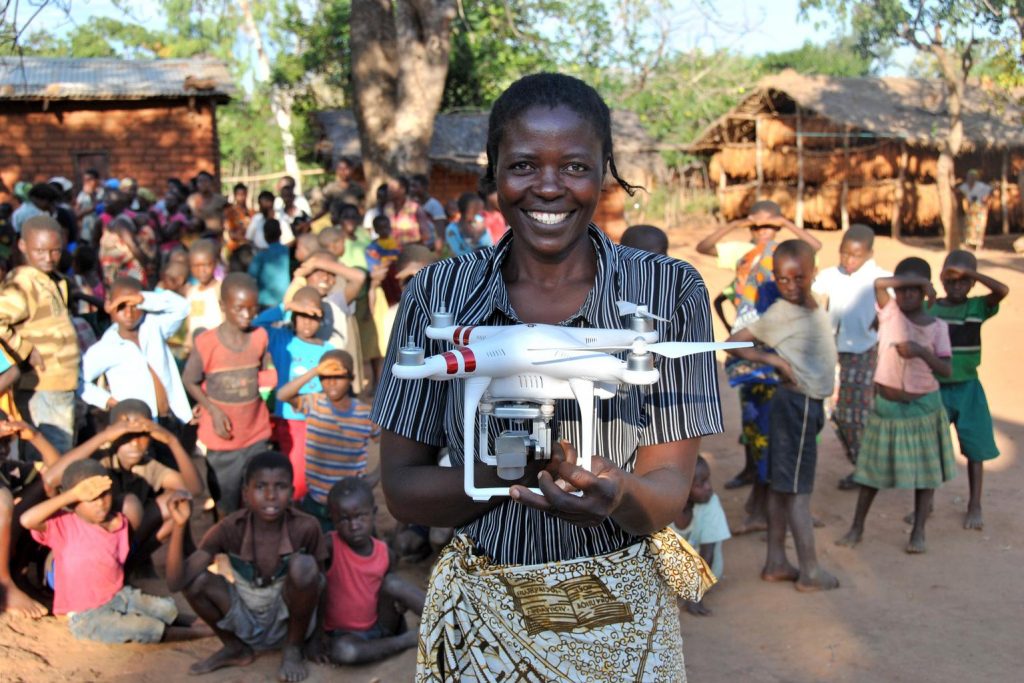
Drones could deliver emergency medical supplies even during the rainy season when rains have made many roads impassable. The idea is being tested now with the support of Unicef. They aim to use the pioneering drone program to transport crucial supplies such as blood transfusion kits, vaccines, malaria drugs, and antibiotics to their destination within hours. Delivery by drones is faster, easier, and cheaper than by other modes of transportation. Furthermore, drones can drop off supplies as well as collect lab samples. Similar frugal innovation is bringing diagnostics closer to patients, including a portable MRI machine that costs 100 times less and was assembled on site in Uganda to expand brain imaging access.

Malawi is among the first countries in Africa to experiment with large-scale medical supply deliveries, said lead drones officer for Unicef, Tautvydas Juskauskas. In 2017, Malawi and Unicef established the world’s first humanitarian drone-testing corridor at Kasungu Airport, a two-hour drive north from the capital Lilongwe.
Since the first drones took flight there, 14 other global companies, including Vayu, Unify, and Nextwing, have also used the corridor to conduct tests. Likewise, universities such as Virginia Tech in the USA, Lancaster in the UK, Lika-UFPE in Brazil, and Kyoto in Japan. Now, some projects are branching out of the drone corridor into inaccessible areas in northern Malawi.
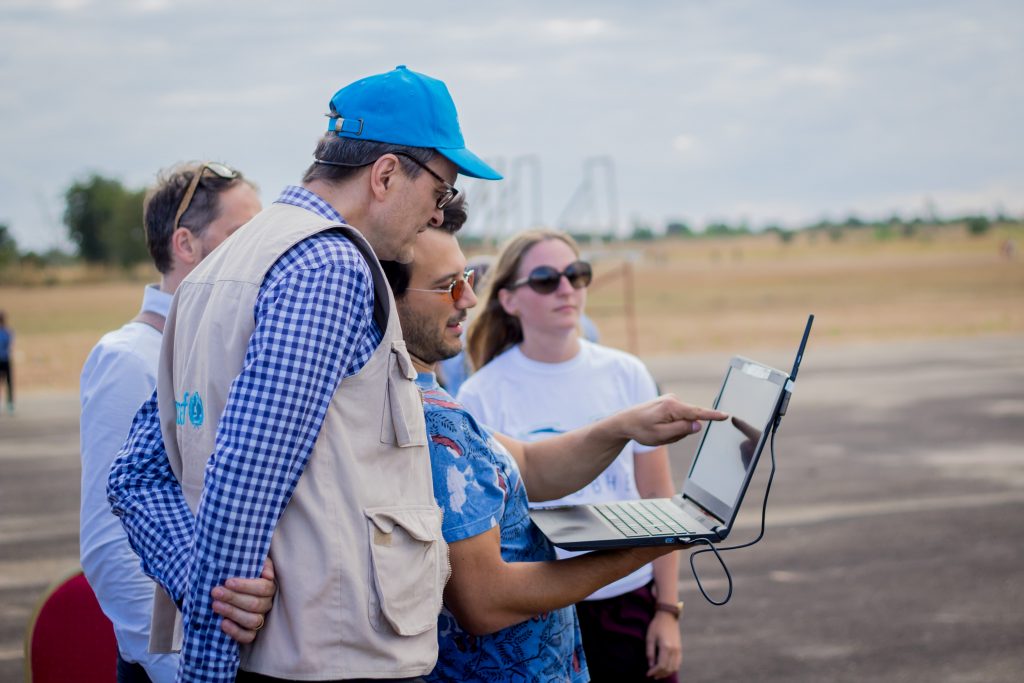
Scot Dubin, Chemonics International’s director for warehousing and distribution, which is supporting the project in Malawi, said the cost of servicing the two islands is high. He explained, “The ferry is infrequent, hence there are often delays in delivering supplies. Sometimes samples would take as long as six weeks after being carried by ordinary travelers who are not health professionals. Thanks to the drones, the delivery time has halved and the number of samples lost en route has decreased. It has had a huge impact on service delivery and the lives of HIV positive people who depend on these samples.”
Joshua Malango, a Malawi’s Ministry of Health spokesperson, added, “Blood transfusions facilitated by drones means the lives of mothers and newborns are already being saved.”

The program includes teaching young students from Malawi’s universities how to construct simple drones that cost just $250, some of which can fly up to 19km. Some of these students will get the opportunity to work for USAID and other partners after they receive their degree. Building local capacity is part of Unicef’s work.
Mr. Juskauskas said, “The key thing for Malawi is to attract as many young people as possible to learn these new technologies. It’s not limited to drones. It’s also data science, geographical information, and digitalization.”
Researchers involved in the initiative say the drones can service humanity in many more ways, aside from healthcare. Other applications could include monitoring deforestation and poaching. However, UNICEF Malawi’s next project plans are to collect aerial imagery for emergency flood modeling and to identify mosquito breeding sites.


