
In the digital era, businesses are increasingly relying on online transactions to facilitate commerce. The foundation of these transactions is the payment gateway, a technology that allows businesses to process payments securely and efficiently. This article provides an in-depth look at payment gateways, their importance, how they work, and why partnering with a reputable payment gateway software development company can be crucial for your business.
What is a Payment Gateway?
A payment gateway simplifies the processing of credit card transactions. It provides support to both online retailers and physical stores. This service guarantees secure and dependable payment processing for customers.
The payment gateway connects the merchant with the financial institutions involved in each transaction. Its main role is to ensure the secure transfer of payment information. By integrating a payment gateway into their systems, businesses gain the ability to accept multiple payment methods. This includes credit cards, debit cards, and digital wallets.
Why Payment Gateways are Essential
Payment gateways are vital for several reasons:
- Security: Payment gateways utilize encryption along with various security measures. These practices are designed to safeguard sensitive payment information effectively.
- Efficiency: Payment gateways streamline the payment process. This efficiency leads to reduced transaction times for customers.
- Flexibility: Payment gateways support various payment methods and currencies. This feature makes them highly suitable for global commerce.
- Compliance: Payment gateways assist businesses in adhering to industry regulations and standards. This support ensures compliance with necessary guidelines.
By leveraging the expertise of a payment gateway software development company, businesses can ensure their payment systems are secure, efficient, and compliant with industry standards.

How Payment Gateways Work
The Payment Process
The payment process involves several steps:
- Customer Initiates Payment: The customer selects their preferred payment method and enters their payment details on the merchant’s website or app.
- Transaction Request: The payment information is sent to the payment gateway.
- Gateway Processing: The payment gateway encrypts the payment information. It then transmits this secure data to the payment processor.
- Authorization Request: The payment processor forwards the request to the customer’s bank or card issuer.
- Authorization Response: The bank or card issuer evaluates the transaction. They either approve or decline it and then send the response back to the payment processor.
- Transaction Completion: The payment processor relays the response to the payment gateway. The gateway then completes the transaction and notifies both the merchant and the customer of the outcome.
Key Components of a Payment Gateway
- Merchant Account: This account type enables businesses to accept payments. It is specifically designed for managing financial transactions.
- Payment Processor: This financial institution specializes in processing credit card transactions. Its primary function is to manage and facilitate such payments.
- Secure Socket Layer (SSL): This protocol encrypts the data exchanged among the customer, merchant, and payment gateway. Its purpose is to ensure secure communication during transactions.
- Payment API: This interface enables the merchant’s website to interact with the payment gateway, facilitating seamless communication and transaction processing.

Types of Payment Gateways
Hosted Payment Gateways
Hosted payment gateways redirect customers to the payment service provider’s page to complete the transaction. This method offloads security and compliance concerns to the service provider but can disrupt the user experience.
Integrated Payment Gateways
Integrated payment gateways enable customers to finalize transactions directly on the merchant’s website, enhancing the overall shopping experience. This method offers a seamless user experience but requires robust security measures to protect payment information.
Self-Hosted Payment Gateways
Self-hosted payment gateways involve merchants handling payment data on their servers before sending it to the payment gateway. This method provides maximum control and places significant security and compliance responsibilities on the merchant.
API Payment Gateways
API payment gateways use application programming interfaces to integrate payment processing directly into the merchant’s website or app. This method offers flexibility and control but requires technical expertise to implement and maintain.

Choosing the Right Payment Gateway
Factors to Consider
When choosing a payment gateway, several factors should be considered. These considerations will help ensure the right fit for your business needs.
- Compatibility: Ensure the gateway is compatible with your existing systems and platforms.
- Security: Look for gateways with robust security features and compliance with industry standards.
- Scalability: Choose a gateway that can handle your current transaction volume and grow with your business.
- Support for Multiple Payment Methods: Ensure the gateway supports your customers’ preferred payment methods.
- Ease of Integration: Look for gateways with well-documented APIs and developer support.
- Cost: Evaluating the fees linked to the payment gateway is important. This includes setup costs, transaction fees, and any monthly charges.
- Customer Support: Choose a gateway provider that offers reliable customer support.
Top Payment Gateway Providers
- Stripe: Stripe is recognized for its user-friendly interface and robust features, making it a popular option for businesses of all sizes.
- PayPal: Offers a range of payment solutions and is trusted by millions of users worldwide.
- Square: Provides flexible payment options and is well-suited for small to medium-sized businesses.
- Braintree: A subsidiary of PayPal, Braintree offers advanced payment features and global reach.
- Adyen: A comprehensive payment platform that supports multiple payment methods and currencies.
- Authorize.Net: One of the oldest and most reliable payment gateways, known for its robust security features.
The Future of Payment Gateways
Emerging Technologies
- Blockchain: Blockchain technology provides several potential advantages for payment gateways. These benefits include improved security, increased transparency, and lower transaction costs.
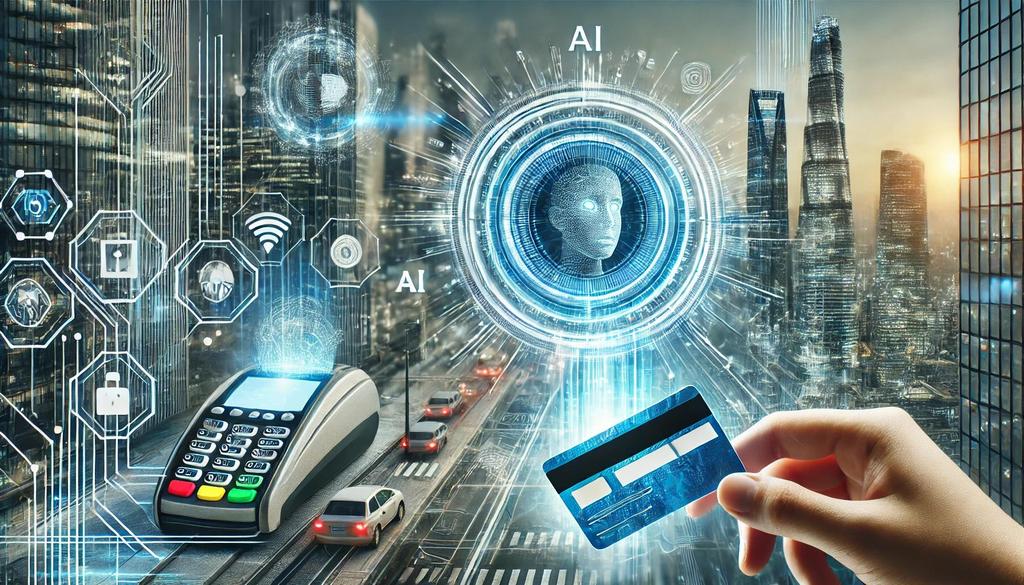
- AI and Machine Learning: These technologies can enhance fraud detection capabilities and allow for a more personalized payment experience for customers.
- Biometric Authentication: Biometric authentication methods, including fingerprint and facial recognition, improve security and streamline the payment process, making it more efficient for users.
Trends to Watch
- Increased Adoption of Digital Wallets: The use of digital wallets, such as Apple Pay, Google Pay, and Samsung Pay, is expected to continue growing.
- Cross-Border Payments: As global commerce expands, payment gateways that support multiple currencies and cross-border transactions will become increasingly important.
- Subscription-Based Models: The rise of subscription-based business models will drive demand for gateways that support recurring payments and automated billing.

Payment Gateways in Modern Digital Transactions: Secure and Seamless Payments
Payment gateways are the backbone of digital transactions, enabling businesses to process payments securely and efficiently. By understanding how payment gateways function, businesses can create a seamless and secure payment experience for their customers. Selecting the appropriate provider and adhering to best practices for integration and security are also essential steps in this process.
Collaborating with a reputable payment gateway software development company offers valuable expertise and support. This partnership is essential for navigating the complexities of payment processing and ensuring compliance with industry standards.
As technology advances, payment gateways will be crucial in shaping the future of digital commerce. They will provide innovative solutions to address the increasing demands of both businesses and consumers.


