
Sir Terence English – the now 87-year-old surgeon who performed the UK’s first successful heart transplant in 1979 – has predicted that pig heart transplants could be available for human transplants within the next three years. If he proves to be correct, this breakthrough could provide many people on the long transplant waiting list with the organ they need. In 2017, an average of 18 patients died every day in America alone during that wait. Imagine how many lives could be saved!
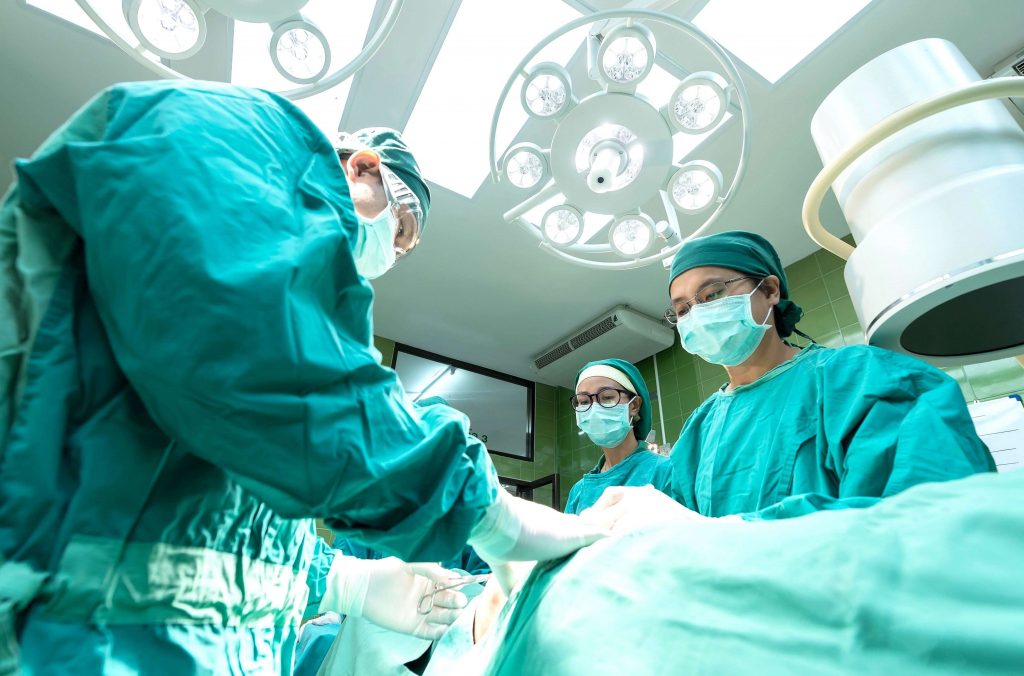
The process of transplanting an organ from one species into the body of another is called xenotransplantation. By the end of the year, English’s protégé Christopher McGregor (who assisted him with that first heart transplant) intends to perform a xenotransplantation – the first pig-to-human kidney transplant.
English told The Telegraph:
If the result of xenotransplantation is satisfactory with porcine kidneys to humans then it is likely that hearts would be used with good effects in humans within a few years. If it works with a kidney, it will work with a heart. That will transform the issue.
All of this is possible because McGregor has developed a technique to tweak the pigs’ genes to prevent immune system retaliation.That has been the biggest challenge, the body’s immune reaction to the heart. Otherwise, pig’s hearts are anatomically similar to humans’ and are therefore a suitable alternative. They are already used frequently in medical trials as a model representation of a human heart for developing new treatments.
The main reason why this is such a big deal (other than the fact it’s an animal’s organ being transplanted into a human of course) is that hearts for transplants are extremely hard to come by. The organ has to be healthy; it has to be transplanted within hours; and it has to be fit in the patient (match biologically and size-wise).
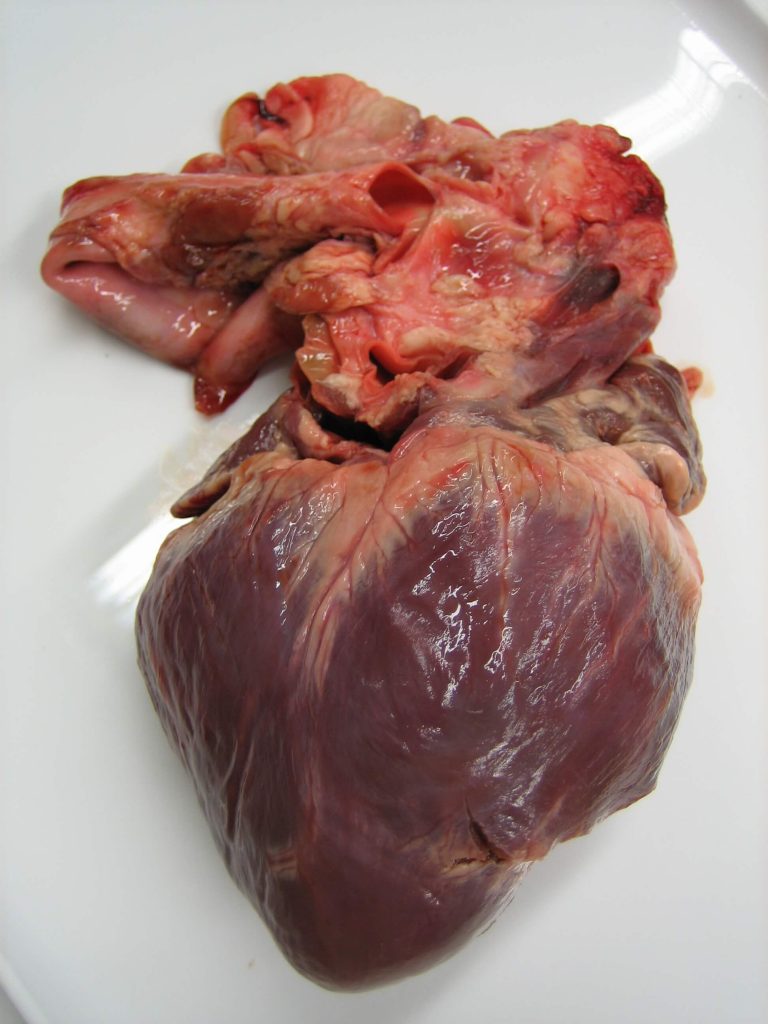
If you’re still not convinced with Sir English’s prediction, bear in mind that scientists have already transplanted pig organs into primates …and it worked. A baboon survived over six months with a pig heart in its chest that had been gene-edited to prevent an immune system attack. The only reason it died was because it was euthanized, so who knows how long it would have lived for with the implant.
Aside from implanting actual pig hearts, a different team of scientists has been in the process of developing pig-human chimeras (an organism made from the DNA of two or more species) that could one day be used to grow organs for transplantation. For now, these animals have not been allowed to form beyond the embryo stage so there’s quite a way to go before human-pigs are being used for heart harvesting.
Of course, there will surely be a big debate on the ethics behind the use of pig organs and chimeras. Although, nobody can deny that it could offer a solution to the overwhelming and ever-growing dilemma cardiovascular disease presents.


