
There’s a new solution to saving the planet—poop our way to a better world. While some researchers focus on solid fuel, others are extracting fertilizer from urine using solar-powered electrochemical systems. Human waste has been turned into fuel by Spanish company Ingelia. Their sewage-based energy source is called biochar, and it replaces coal for power production. This development that has been ten years in the making is finally coming to light.
Marisa Hernández, co-founder of Ingelia, explained, “We use the organic collection of trash, the organic portion of municipal waste, sewage from treatment plants, and even waste from gardening.”
What Ingelia has done is develop an industrial process to produce biocarbon fuel, which can be made using sewage. This is a much more sustainable energy source than traditional coal, and it doesn’t emit CO2 or other pollutants when produced. Furthermore, the resulting product burns like coal, but the actual production is carbon neutral—and it has a considerably lower production of harmful wastes such as nitrogen, sulfur, and chlorine. That’s because almost all of the pollutants and more harmful chemicals that would normally be given off while burning solid fuels are siphoned away into treatable liquid waste, leaving a dry, combustible rod of poop fuel.

The CEO explained, “Under specific pressure and temperature conditions, 20 bars and 200ºC, we dehydrate the organic matter and siphon off the humid matter in liquid form. In other words, we concentrate 95% of the carbon in the waste. The result is a solid, dry, cylindrical material that could replace fossil-derived carbon fuel. It has the same calorific value and combustion structure… Compared with a standard composting or a biogas plant where the process takes around 30 days, the timescale for our method is as little as eight hours… Bad smells produced as a byproduct of the composting process are avoided by containing the treatment of the waste matter in a closed tank, allowing plants to be situated closer to population centers.”
The solution this Spanish company has put forward is a way of storing renewable energy in the form of biomass. Yet, this biochar has other applications too. It could be used to work batteries or even to produce specific materials such as biopolymers, possibly for producing plastics or perhaps as substitutes for peat in soil enrichment.
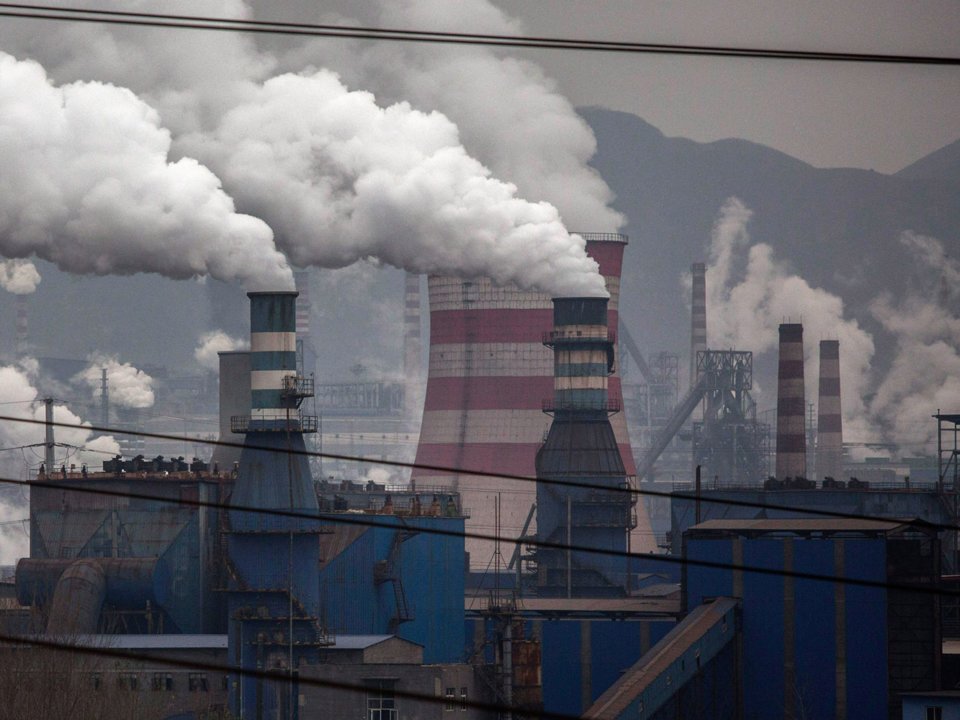
Furthermore, this solution falls into line with the European Commission pledge that the EU will cut greenhouse gas emissions to 80% below 1990 levels by 2050. Although to halt climate change, the UN has said “unprecedented change” will be required, both on a social and on a global level. There’s not much time left to reach the urgent clean energy goals of that doomsday United Nations report. Ideally, we would have moved away from coal years ago. Biochar is one of hopefully many viable alternatives to come as we transition to other world-saving, renewable forms of clean electricity.
The company has already outsourced this process to their waste plants in Spain, the UK, and Italy. Now, Ingelia is working to strike a deal with Spanish waste management facilities as they plan to capture 3% of the European waste management market. The company hopes to make enough biochar by 2022 to replace 220 thousand tons of coal per year, thus avoiding 500 thousand tons of carbon dioxide emissions into the atmosphere.


