
The open road, the wind in your hair, the freedom of two wheels—for many, cycling is not just a mode of transportation but a way of life. But in the middle of the joy of cycling lies the sobering reality of accidents. Bike accidents can leave cyclists shaken and unsure of what to do next, whether they are the result of careless drivers, hazardous conditions on the road, or other unforeseeable circumstances. This article guides readers through a post-crash checklist, offering clarity and confidence in navigating the aftermath of a bike accident.
1. Assess Your Safety
As a victim of a bike accident, your priority is your safety and well-being. Please take a moment to assess yourself for any injuries, no matter how minor they may seem. Since adrenaline can conceal pain, carefully examine yourself for scrapes, bruises, and indications of more severe injuries like broken bones or head trauma. Move safely away from traffic to prevent further harm.
2. Seek Medical Attention
Getting medical assistance as quickly as possible following a bike accident is essential, even if you think your injuries are minor. Certain injuries, like hidden wounds such as internal bleeding or silent concussions, may lurk beneath the surface, masked from immediate view. However, neglecting their care could invite lasting repercussions. Contact emergency services or have someone call for help if you need help to do so yourself. Remember, your health and safety are paramount.
3. Document the Scene
After securing your well-being, shift your focus to capturing the essence of the bike accident locale. If your condition allows, seize the moment to preserve evidence—snapshots, video snippets of the scene portraying the aftermath on your bike and its environs. Engage witnesses for their accounts, as their details can help in establishing fault in bicycle accidents, forming a potential backbone to fortify your insurance plea.

4. Contact Law Enforcement
In many states, it is required by law to report an accident to the police, especially when there are injuries or significant property damage. Even if the accident is minor, it’s still a good idea to report it to law enforcement. This tangible trail of evidence serves as a critical record and a potential lifeline for insurance settlements or future legal endeavors.
5. Exchange Information
After a bike accident, it is essential to exchange information with other parties, including drivers, pedestrians, or property owners. Obtain their names, contact information, driver’s license numbers, registration details, and insurance information. Be sure to provide your own contact and insurance information as well. This exchange of information ensures that all parties can communicate effectively and facilitates the claim process.
6. Seek Legal Advice
You are eligible for compensation for your losses and injuries if you were in a bike accident caused by someone else’s negligence. Navigating the legal subtleties of a personal injury case can be difficult, especially if you’re still recovering from your injuries. Consider consulting a skilled personal injury lawyer with experience handling bike accidents for legal counsel. You may assess your case, learn about your rights, and fight for the money you are due with the assistance of an experienced bicycle accident lawyer.

7. Notify Your Insurance Company
It’s essential to notify your insurance company immediately about the bike accident. Provide them with all pertinent information on the accident, such as the time, place, and any injuries or losses. Be truthful and accurate in your accident account to avoid any complications with your insurance claim.
8. Keep Records
Throughout the aftermath of the bike accident, keep detailed records of all related expenses and compensation. This includes medical bills, receipts for any out-of-pocket expenses, correspondence with insurance companies or legal representatives, and notes about your injuries and recovery process. These records can help support your insurance claim or legal case and ensure you receive fair compensation for your losses.
9. Follow Up on Medical Treatment
After an incident involving a bike, following up on any recommended medical treatment or therapy is essential to aid in your recovery. Please follow your doctor’s treatment recommendations. Track your progress and any changes in your condition, and communicate any concerns or complications with your medical team. Your health and well-being are paramount, so prioritize your recovery.
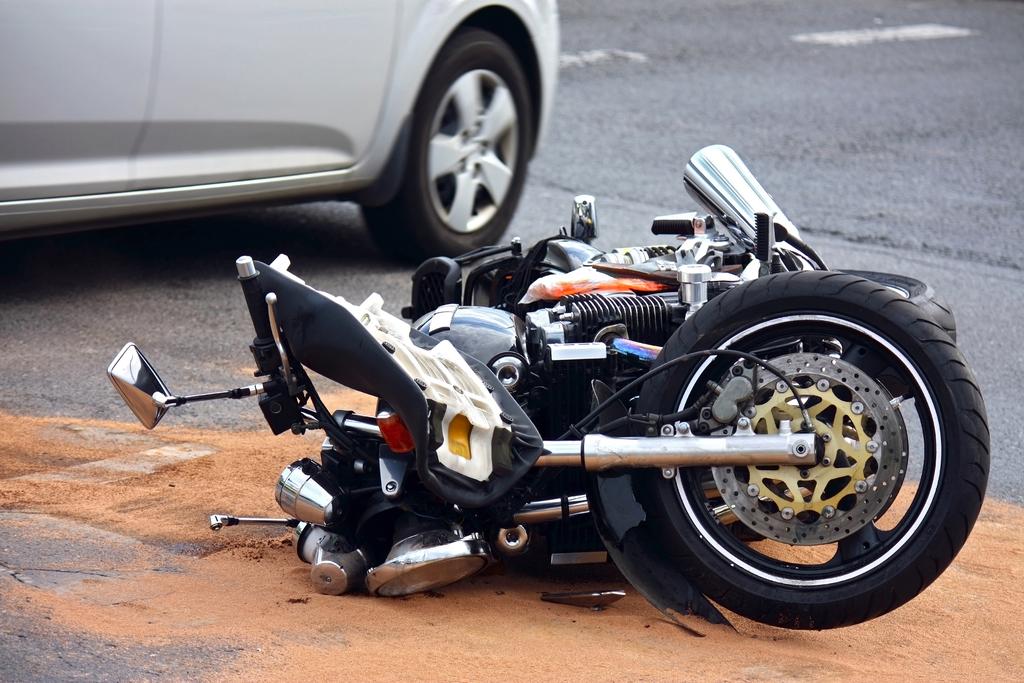
Navigating the Aftermath Post-Bike Accident
Overcoming the consequences of a bike accident can be difficult. Still, by following a post-crash checklist and seeking appropriate assistance, motorcyclists can protect their rights and pursue the compensation they deserve. Taking early measures in a bike accident can make all the difference in attaining a speedy and successful recovery.


