
Global cannabis markets have reached a critical inflection point. As legalization expands and consumer sophistication grows, packaging has emerged as far more than a protective wrapper—it’s become a statement of values, a regulatory necessity, and an environmental flashpoint. Pre-roll packaging, in particular, sits at the intersection of these pressures, balancing product integrity with mounting concerns over waste and carbon impact.
Quantitative assessments tell a stark story regarding environmental impact. Traditional cannabis packaging generates an estimated 150 million units of plastic waste annually in North America alone, much of it non-recyclable and destined for landfills.
Navigating the cannabis industry today requires more than a high-quality harvest; it demands a sophisticated understanding of how physical touchpoints influence brand loyalty and regulatory safety. As the market matures, the sheer volume of products on dispensary shelves has shifted the burden of proof onto the container itself. Packaging is no longer a peripheral concern but a central pillar of business strategy that signals transparency, quality, and environmental responsibility to an increasingly discerning audience.
Dynamic industry convergence forces cannabis companies to rethink their approach. The challenge isn’t simply swapping materials—it’s redesigning entire packaging systems to meet stringent regulatory requirements while reducing environmental harm. For brands navigating this transition, the stakes are high: get it right, and packaging becomes a competitive advantage; get it wrong, and you risk both regulatory penalties and consumer backlash.
Retail environments are undergoing a radical transformation where sustainability is frequently the deciding factor for modern purchasers. This shift isn’t merely a trend but a fundamental realignment of the supply chain, forcing producers to seek out materials that survive the scrutiny of both regulators and eco-conscious advocacy groups. By integrating material science with high-end design, brands are discovering that the right pre-roll tube can act as a silent brand ambassador that speaks directly to the values of the consumer base.

Differentiating Your Brand with Custom Pre-Roll Packaging Solutions
In a market projected to reach $57 billion by 2030, differentiation has become existential. Custom pre-roll packaging serves as the first physical touchpoint between a brand and its consumer. This initial interaction often determines whether a product is selected for purchase or remains on the dispensary shelf. But effective customization extends beyond aesthetics—it’s about encoding brand identity into every design element while maintaining functional integrity.
Consumer Psychology and the First Physical Touchpoint
Leading cannabis brands treat packaging as a three-dimensional storytelling medium. Observing the current design language dominating dispensary shelves reveals several distinct trends:
- Minimalist sophistication: Clean lines and restrained color palettes that signal premium quality and distance products from outdated cannabis stereotypes.
- Material transparency: Visible sustainability credentials, from recycled content percentages to compostability certifications, prominently displayed.
- Tactile differentiation: Textured finishes, embossing, and innovative structural designs that create memorable unboxing experiences.
- Information architecture: Strategic placement of compliance data that satisfies regulators without overwhelming the consumer experience.
Packaging suppliers specializing in cannabis-compliant custom solutions include Sana Packaging and Calyx Containers.

Eco-Friendly Materials and Advanced Science in Cannabis Packaging
Pre-roll tubes represent perhaps the most visible evolution in cannabis packaging technology. These cylindrical containers must accomplish multiple objectives simultaneously: protect delicate products from physical damage, create airtight seals that preserve freshness, comply with child-resistant regulations, and increasingly, minimize environmental impact.
Revolutionizing Substrates: Beyond Traditional Petroleum Plastics
Advancements in polymer science and agricultural processing have expanded the palette available to manufacturers far beyond standard fossil-fuel resins. These breakthroughs allow for a high degree of customization that aligns with both functional requirements and environmental ethics. Selecting the right substrate involves balancing durability with end-of-life cycle considerations.
Available material landscapes have diversified considerably beyond conventional plastics:
- Plant-based bioplastics: Derived from hemp, corn, or sugarcane, these materials offer comparable durability to petroleum-based plastics while breaking down in industrial composting facilities within months.
- Reclaimed ocean plastic: Some manufacturers now produce tubes from plastic recovered from marine environments, directly addressing pollution while creating functional packaging.
- Glass alternatives: While traditional glass provides excellent protection and infinite recyclability, its weight and fragility have spurred development of hybrid materials.
- Mycelium-based packaging: Emerging solutions using mushroom roots create fully compostable containers that decompose in home compost bins within weeks.
Every selected material presents a unique set of aesthetic possibilities and structural challenges that define the final shelf presence of the pre-roll. Choosing between these options requires balancing brand vision with functional durability. By diversifying material inputs, brands can insulate themselves from the volatility of traditional plastic supply chains.
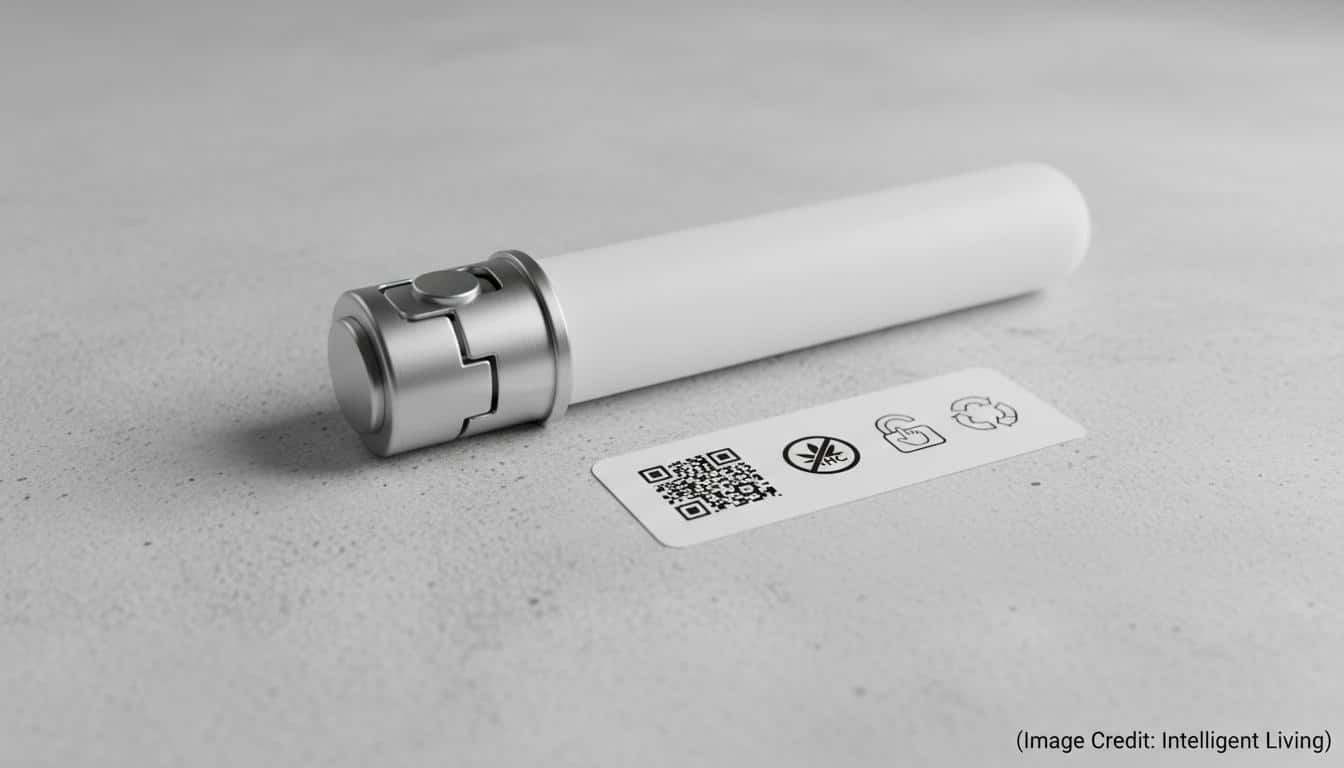
Ensuring Pre-Roll Regulatory Compliance Through Smart Packaging Design
Cannabis packaging exists in a uniquely complex regulatory environment. Unlike most consumer products, pre-roll packaging must satisfy overlapping federal, state, and sometimes municipal requirements that vary dramatically by jurisdiction. Risks associated with non-compliance range from expensive product recalls to the total revocation of operating licenses. Because of these risks, proper labeling is no longer just a legal obligation; it is a fundamental business continuity imperative.
Standardized Labeling and Child-Resistant Certification Essentials
Essential labeling frameworks typically include the following components:
- Cannabinoid content: Precise THC and CBD percentages, often requiring third-party lab verification and batch-specific documentation.
- Health warnings: Standardized language about impairment, pregnancy risks, and other health considerations, sometimes mandated in specific font sizes and placements.
- Child-resistant certification: Packaging must meet CPSC standards and display appropriate warnings, with some jurisdictions requiring opaque containers that obscure product visibility.
- Track-and-trace identifiers: Unique codes enabling seed-to-sale monitoring, critical for regulatory compliance and product recalls.
- Allergen and ingredient disclosures: Particularly relevant for infused pre-rolls containing flavoring agents or botanical additives.
Implementing such technologies creates opportunities for consumer engagement beyond the point of sale, building brand relationships that extend into the consumption experience. Features like QR codes link directly to digital certificates of analysis, while augmented reality and NFC chips provide in-depth strain information and authentication. These integrations allow brands to satisfy rigorous regulatory requirements without sacrificing clean package aesthetics.

Innovative Trends in High-Performance Pre-Roll Packaging and Technology
Converging pressures—environmental urgency, regulatory evolution, and consumer demand for premium experiences—shape the next generation of cannabis pre-roll packaging. Industry leaders are increasingly moving away from reactive compliance toward proactive innovation that anticipates future consumer needs. This forward-thinking approach focuses on creating a seamless blend of high-end aesthetics and tactical utility. Several emerging trends signal where the industry is heading:
- Circular economy models: Some brands now offer take-back programs where consumers return used packaging for cleaning and refilling, building customer loyalty through incentive structures.
- Mono-material designs: Packaging engineered from single material types significantly improves recyclability compared to multi-layer composites.
- Embedded technology: Humidity indicators and freshness sensors integrated directly into packaging materials provide functional benefits for premium products.
- Modular systems: Reusable outer containers paired with compostable inner sleeves allow brands to maintain premium presentation while minimizing waste.
Implementation Challenges: Scaling Sustainable Packaging Technology
Building such systems involves more than just selecting a new vendor; high-level integration requires a holistic review of the product’s entire lifecycle. Brands that successfully implement these features often find that the initial investment is offset by higher perceived value and improved market positioning. As these technologies mature, they will likely become the standard for the premium pre-roll segment.
Biodegradable materials often cost 20-40% more than conventional alternatives, a premium that smaller brands struggle to absorb. Advanced technologies require dedicated consumer education, as a QR code provides no value if customers do not understand its purpose. Circular economy models also demand robust reverse logistics infrastructure. Many cannabis companies currently lack the scale to support these complex systems independently.
Strategic early adopters are finding competitive advantages that justify the investment. Brands emphasizing sustainability report stronger customer retention and higher average transaction values, particularly among millennial and Gen Z consumers who increasingly prioritize environmental considerations. Scales of production are increasing while material costs continue to decline. Consequently, sustainable packaging is rapidly transitioning from an optional differentiator to a baseline industry expectation.

Strategic Leadership in Sustainable Cannabis Packaging
Securing future market share in the cannabis space requires a commitment to innovation that transcends simple compliance. Successful brands are those viewing the current environmental crisis not as a hurdle, but as an opportunity to lead through purposeful design and material transparency.
As global markets continue to open, the entities that have already mastered the integration of circular economy models and high-performance bioplastics will be best positioned to scale without the friction of legacy waste issues. Long-term viability in this sector is inextricably linked to the ability to adapt to shifting consumer sentiment regarding single-use plastics.
Prioritizing advanced pre-roll packaging solutions ensures that a brand remains relevant and resilient in an era where environmental stewardship is a baseline expectation. Accelerating toward a truly green cannabis industry is a process already well underway, and the packaging choices made now will define the leaders of the next decade.
Common Questions Regarding Eco-Friendly Pre-Roll Solutions
What are the most sustainable materials for cannabis pre-roll tubes?
Bioplastics derived from hemp or sugarcane and reclaimed ocean plastics are currently the leading choices for brands prioritizing low environmental impact without sacrificing child-resistant functionality.
How do sustainable pre-roll tubes maintain product freshness?
Precision-engineered gaskets and airtight seals in eco-friendly containers prevent oxygen exchange. This mechanism ensures that terpenes and cannabinoid profiles remain stable throughout the shelf life.
Does eco-friendly cannabis packaging meet child-resistant safety standards?
Yes, high-quality sustainable options are rigorously tested to meet CPSC standards, providing the same level of security and compliance as traditional petroleum-based plastic containers.
Can custom branded pre-roll packaging improve dispensary sales?
Unique structural designs and tactile finishes create a premium unboxing experience that encourages repeat purchases and differentiates products in a crowded retail landscape.
Why is circular economy modeling important for the cannabis industry?
Circular models reduce total waste by ensuring materials are either compostable or easily recyclable, mitigating the massive plastic footprint currently associated with legal cannabis markets.

