
We’ve grown up believing that rainwater is one of Earth’s purest gifts—fresh, clean, and nourishing. Yet, today’s reality starkly contrasts with this idyllic notion. Over the past several decades, our environment has been increasingly marred by pollutants known as “forever chemicals” and microplastics. These insidious contaminants have infiltrated water sources globally, including rainwater, posing significant health risks and environmental challenges.
Forever chemicals, scientifically referred to as Perfluoroalkyl and Polyfluoroalkyl Substances (PFAS), are synthetic compounds widely used in numerous industrial and consumer products for their water and grease-resistant properties. Similarly, microplastics are tiny fragments of plastic, often less than 5 millimeters in size, that originate from the breakdown of larger plastic items or are released as small particles from products like cosmetics and synthetic fabrics. The combined presence of these pollutants in our rainwater is an alarming environmental crisis.
This article seeks to explore the origins and implications of these contaminants, detailing effective methods for filtering them from water sources. By the end, readers will understand the grave impact of these pollutants on health and the environment and how advanced filtration techniques can offer a solution.
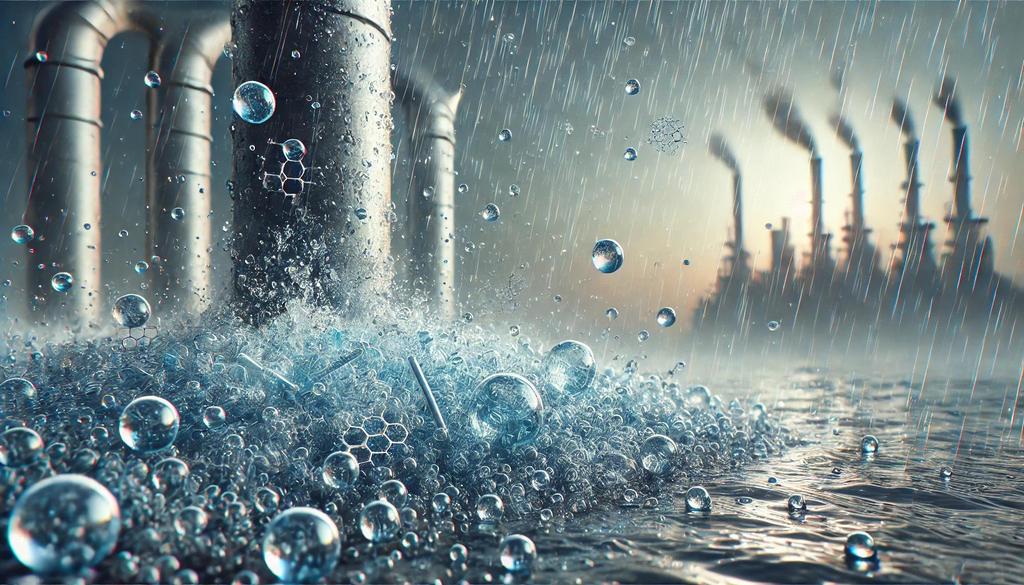
The Emergence of Forever Chemicals and Microplastics
What Are Forever Chemicals (PFAS)?
Forever chemicals, or PFAS, encompass a group of human-made compounds introduced in the 1940s. They are utilized in a myriad of products, from non-stick cookware (like Teflon) and waterproof fabrics to firefighting foams and food packaging. PFAS are incredibly persistent in the environment and human body due to their strong carbon-fluorine bonds, meaning they don’t break down easily. This longevity has earned them the nickname “forever chemicals.”
Scientific studies have consistently found PFAS in various ecosystems across the globe, from soil and water bodies to rainwater and even Arctic ice. Their ubiquitous presence poses significant health risks, as they can accumulate in the human body over time and disrupt bodily functions.
What Are Microplastics?
Microplastics are minuscule plastic particles that measure less than 5 millimeters in size, roughly the size of a sesame seed. They stem from two primary sources: the breakdown of larger plastic debris and microbeads used in personal care products and cleaning agents. These particles have been detected in nearly every corner of the globe, from the depths of the oceans to the insides of our drinking water systems.
Interestingly, recent studies even discovered microplastics high in the atmosphere, where they can influence cloud formation and weather patterns. As larger plastic items degrade due to various environmental factors like UV radiation and physical abrasion, they shed these tiny particles, which then pervade ecosystems and, ultimately, human life.

Health and Environmental Implications
Health Risks Associated with PFAS
PFAS, particularly the long-chain variants like PFOA and PFOS, have been linked to numerous health issues. These chemicals can interfere with our hormonal systems and immune response, potentially leading to various cancers, liver damage, and reproductive issues. Specifically, PFAS exposure has been associated with increased cholesterol levels, altered liver enzymes, reduced vaccine efficacy, and risks of kidney and testicular cancers.
PFAS tend to accumulate in body tissues over time, thereby amplifying their toxic effects. For example, studies have shown that these chemicals can remain in the human body for years, continually exerting their harmful influence and contributing to long-term health problems.
Health Risks Associated with Microplastics
Microplastics, too, pose significant risks. These tiny particles make their way into the human body through ingestion or inhalation, as they contaminate our food and water sources. Recent studies have even found microplastics in human lungs and blood, raising concerns about their potential impact on various bodily functions.
One of the primary health concerns associated with microplastics is their ability to disrupt the gut microbiome, potentially leading to gastrointestinal disorders like irritable bowel syndrome and inflammatory bowel disease. Additionally, microplastics can carry toxic substances such as heavy metals and chemicals that act as endocrine disruptors, further complicating their health implications.
Environmental Damage
The environmental impact of PFAS and microplastics is extensive. These pollutants affect various species, disrupt ecological balance, and can even alter climatic conditions. Microplastics, given their small size, can be ingested by marine organisms, leading to physical harm and introducing toxic substances into the food chain. PFAS, being persistent, can lead to long-term contamination of soil and water sources.
Moreover, microplastics in the atmosphere can act as nuclei for cloud formation, influencing weather patterns and potentially exacerbating global warming by absorbing and scattering sunlight. The interconnectedness of these issues underscores the need for comprehensive strategies to mitigate their impact.
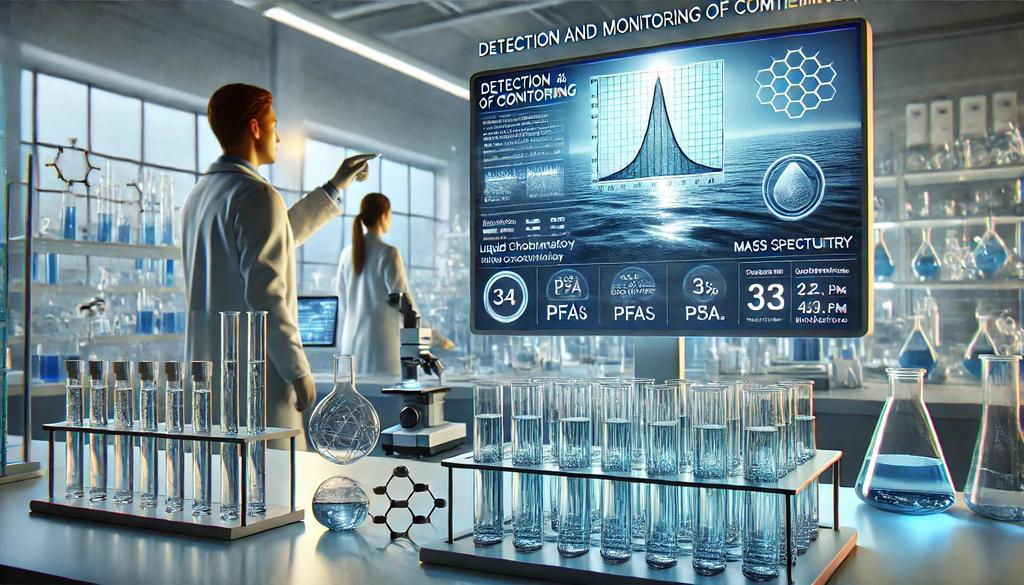
Detection and Monitoring of Contaminants
Technological Advances in Detection
The detection of PFAS and microplastics in water has advanced significantly, but challenges remain. Traditional water quality monitoring methods have struggled to keep pace with these emerging contaminants due to their tiny size and complex chemical nature. However, newer technologies like liquid chromatography-tandem mass spectrometry (LC-MS/MS) have shown great promise in accurately identifying and quantifying PFAS in water sources.
Similarly, advanced microscopy and spectroscopy methods have improved our ability to detect and analyze microplastics. These technologies can identify the composition and concentration of microplastics in various environments, providing crucial data for assessing contamination levels and health risks.
The Need for Rigorous Monitoring
Despite these advances, there is a pressing need for more rigorous and standardized monitoring practices. Current regulations and monitoring efforts often fail to provide a comprehensive picture of PFAS and microplastic contamination due to inconsistencies in detection limits and methodologies across regions.
In the U.S., regulations on PFAS are tightening, with the Environmental Protection Agency (EPA) setting stricter guidelines for allowable levels in drinking water. However, such measures are not uniformly adopted globally, resulting in varying degrees of safety and public health protection. Moreover, monitoring programs often overlook microplastics due to the difficulty in detecting these minute particles, further complicating efforts to gauge and mitigate their impact.
Addressing the issue of PFAS and microplastics in rainwater requires a multifaceted approach involving advanced detection technologies, rigorous monitoring, and comprehensive regulatory frameworks. Only then can we hope to mitigate their adverse effects on human health and the environment.
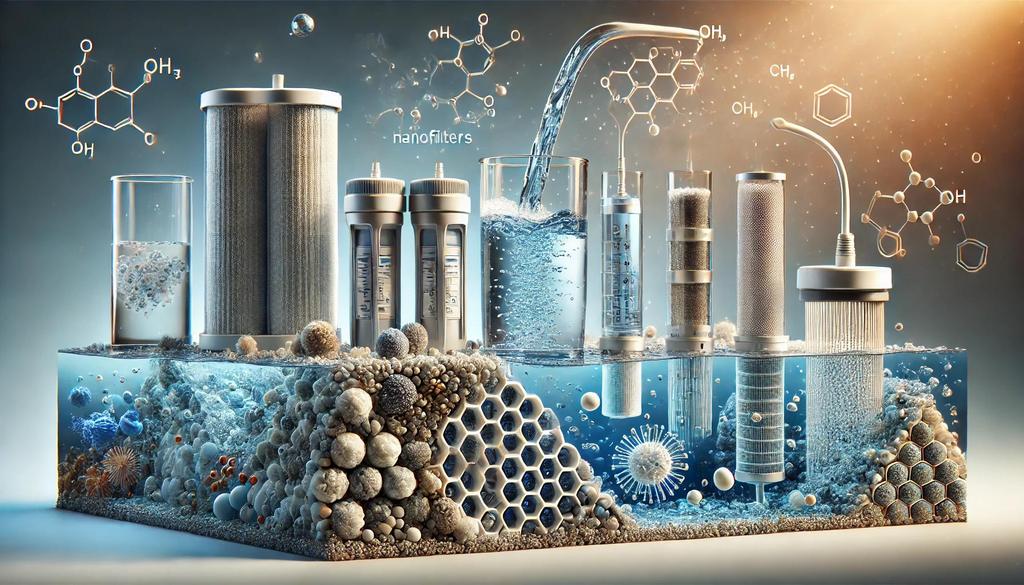
Effective Filtration Methods
The alarming presence of forever chemicals (PFAS) and microplastics in global water sources compel us to find effective ways to filter these contaminants. Here, we explore several advanced filtration methods currently available to help ensure cleaner, safer water.
Advanced Filtration Techniques
Activated Carbon Filters:
Activated carbon filters are commonly used in both household water filters and larger municipal water treatment plants. These filters work by adsorbing or attracting contaminants to the surface of the carbon particles. Activated carbon is particularly effective at removing certain PFAS from water. However, their effectiveness can diminish over time as they become saturated with pollutants.
Reverse Osmosis Systems:
Reverse osmosis (RO) systems force water through a semi-permeable membrane, which blocks most contaminants, including PFAS and microplastics. This method is highly effective but can be costly and energy-intensive. RO systems are widely used in both residential and industrial water filtration setups due to their ability to remove a broad range of contaminants.
Ion Exchange Resins:
Ion exchange resins work by swapping harmful ions in the water with less harmful ones. These resins are particularly effective for removing long-chain PFAS but may not work as well for shorter-chain variants.
Emerging Technologies
- Electrochemical Methods: New research points to electrochemical oxidation as a promising method for degrading PFAS in water.
- This process uses electric currents to break down the chemical bonds in PFAS molecules, rendering them harmless.
- Nanotechnology: Advancements in nanomaterials are also showing promise. Nanotechnology involves using extremely small materials—on the scale of atoms and molecules—to filter contaminants more efficiently.
- For instance, nanomaterials can be engineered to capture and break down microplastics and PFAS more effectively than traditional methods.
These emerging technologies, while still under development, offer exciting potential for significantly improving the efficiency and effectiveness of water filtration systems.

Case Studies and Practical Applications
Understanding how these filtration technologies are applied in real-world scenarios can provide better insights into their effectiveness and feasibility. Here are some practical applications and case studies showcasing the use of these advanced filtration methods.
Municipal Water Treatment
Many cities have started implementing advanced filtration technologies to ensure safer drinking water for their residents. For example, some municipal water treatment plants now use a combination of methods like activated carbon filtration and reverse osmosis to tackle both PFAS and microplastics in their water supplies.
Household Solutions
For home use, several filtration systems are designed to remove both PFAS and microplastics. Products like water filter pitchers equipped with granular activated carbon (GAC) filters can effectively reduce these contaminants. Additionally, advanced nanofilters are emerging as a reliable option for capturing even the smallest particles. In areas with severely contaminated water, RO systems are increasingly being installed in homes to ensure the highest quality drinking water. Nanofilters, such as those used in LifeStraw Home water filter pitchers, have shown efficacy in trapping and reducing microplastics and PFAS, providing a robust solution for households.
Industrial Applications
Industries that use large volumes of water are also adopting advanced filtration technologies to minimize their environmental impact. Factories are integrating reverse osmosis and ion exchange systems to treat wastewater before discharging it back into the environment. By doing so, they reduce the release of harmful PFAS and microplastics into local water bodies.
These practical applications demonstrate the versatility and efficacy of advanced filtration technologies in various contexts, from municipal water supplies to individual households and large industrial facilities.
Future Developments and Potential Uses
Looking ahead, combining different filtration technologies could provide even more robust solutions for removing PFAS and microplastics from water. Here are some promising future developments and potential uses for these technologies.
Combining Technologies for Enhanced Results
Researchers and engineers are exploring ways to integrate multiple filtration methods to create more comprehensive water treatment solutions. For example, combining activated carbon filters with nanotechnology and electrochemical methods can maximize the removal efficiency of both PFAS and microplastics.
Broader Environmental Impacts
Advanced filtration technologies can also be applied to other environmental issues, such as managing tire pollution and treating landfill leachate. Tire pollution, for instance, releases microplastics and toxic chemicals into water sources, which can be effectively filtered out using techniques like reverse osmosis and advanced oxidation processes. Similarly, treating landfill leachate—a liquid that drains from landfills—can prevent the seepage of harmful contaminants into nearby groundwater and surface water.
Agricultural Uses
Filtered water free of PFAS and microplastics can significantly reduce contamination when used for agricultural purposes. Crops irrigated with clean water are less likely to absorb harmful chemicals, ensuring safer food production and improving public health outcomes.
Global Collaboration
Addressing the global crisis of water contamination requires international cooperation and technological sharing. By adopting best practices and the latest filtration technologies worldwide, we can collectively tackle the pervasive issue of PFAS and microplastics in water sources.
In essence, the future of water filtration lies in innovative solutions and collaborative efforts. By staying informed and advocating for continued research and development, we can ensure a cleaner and safer water supply for generations to come.
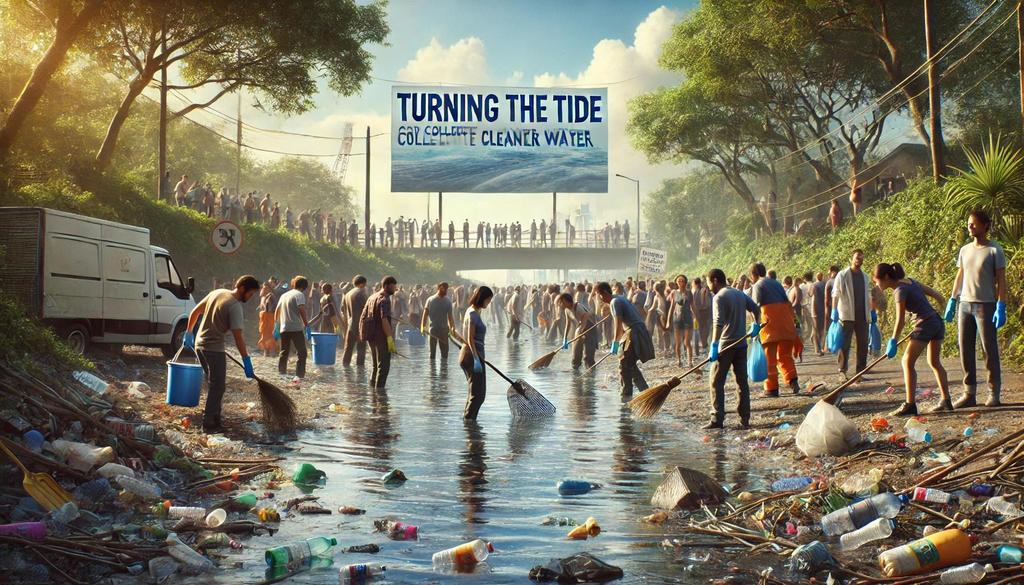
Turning the Tide: Collective Action for Cleaner Water
The infiltration of forever chemicals (PFAS) and microplastics into our global water supply is a modern environmental crisis that demands urgent action. These pollutants, pervasive and persistent, have been found everywhere, from rainwater to the bloodstreams of living organisms, posing significant health risks and threatening ecosystems.
Over the course of this article, we’ve delved into the origins of PFAS and microplastics, their widespread environmental and health impacts, and the advanced technologies developed to filter them from water sources. Each section has highlighted the grave importance of understanding and addressing this dual threat to protect both human health and the environment.
The Need for Awareness and Action
One of the most crucial takeaways is the need for heightened awareness and proactive measures. While complex filtration technologies like activated carbon filters, reverse osmosis systems, and emerging methods such as electrochemical oxidation and nanotechnology offer hope, broader systemic changes are also necessary. Governments, industries, and individuals all play critical roles in mitigating the release of these contaminants and implementing effective water treatment solutions.
Personal Responsibility
For individuals, simple steps such as using high-quality water filters at home, advocating for local water quality testing, and supporting policies aimed at reducing plastic waste can make a significant difference. Choosing products with minimal plastic packaging and avoiding items known to contain PFAS, such as certain non-stick cookware and stain-resistant fabrics, can also reduce personal exposure.
Policy and Regulation
On a larger scale, stringent regulation and monitoring are indispensable. Policymakers must enforce and update regulations to limit the production and use of harmful substances, ensuring that emerging contaminants are swiftly identified and controlled. Continuous scientific research and collaboration between nations are vital to addressing and managing this global issue effectively.
Innovation and Investment
Technological innovation and investment in advanced filtration technologies are equally crucial. From municipal water treatment plants to industrial applications and household filters, integrating multiple filtration methods can significantly enhance water quality. Emerging technologies, coupled with traditional methods, offer robust solutions that can adapt to various contexts and contamination levels.

A Collaborative Effort
The battle against forever chemicals and microplastics in our water is far from over, but with collective effort and dedication, it is a fight we can win. Awareness and education are the first steps, followed by concrete actions at personal, local, and global levels. By embracing a multifaceted approach that combines regulation, technology, and personal responsibility, we can turn the tide on water pollution.
In summary, addressing the contamination of rainwater with PFAS and microplastics requires a holistic strategy. Through innovation, regulation, and collaboration, we can protect our water sources and ensure a safer, healthier future for all.
Together, through informed decisions and collective action, we can make a significant impact. The journey to clean water may be challenging, but it is one worth embarking on for the sake of our planet and future generations.


