
Microplastics (MPs) and nanoplastics (NPs) are becoming a growing environmental concern. These plastic particles, much smaller than a grain of sand, have found their way into nearly every part of our ecosystems, from the deepest oceans to the highest mountains. As the production and use of plastic have ballooned globally, we’ve seen an unexpected and unsettling side effect – these tiny particles breaking down from larger plastic items are everywhere, even in our bodies.
The main worry now is about how these microplastics are affecting our health, especially our ability to reproduce. Researchers have found connections between microplastics and declining fertility rates across the world. This article explores how microplastics enter our bodies, what they are doing to our reproductive systems, and what we can do to reduce these impacts moving forward.

Understanding Microplastics: Sources and Exposure
What Are Microplastics?
Microplastics are incredibly small pieces of plastic, less than 5 millimeters in length – that’s about the size of a sesame seed. Nanoplastics are even tinier, usually less than 100 nanometers, which is about a thousand times finer than a human hair.
These particles come from two main sources:
- Primary Microplastics: These are plastics that are made to be tiny. They are often used in products like cosmetics, such as exfoliating beads in facial scrubs, or in industrial processes as tiny pellets.
- Secondary Microplastics: These particles are formed when larger plastic items break down over time. This can happen through physical wear, like the abrasion of plastic toys, or through environmental exposure, like sunlight and waves breaking down plastic debris in the ocean.
Pathways of Human Exposure
Microplastics enter our bodies in several ways, and here’s how:
1. Ingestion:
We consume microplastics in our food and water. For example, seafood like fish and shellfish can contain microplastics because these animals ingest tiny plastic particles floating in their environment—a 2026 study even found microplastics in 93% of Maya octopus sampled off Mexico’s coast. A study by Cornell University shows that products like table salt can have much higher concentrations of microplastics in some countries than others, significantly increasing our intake through our diet.
Even everyday food items and beverages, including tap water, can be contaminated with microplastics. In some regions, the tap water alone can provide a significant source of these tiny particles.
2. Inhalation:
Microplastics are also airborne. From the wear and tear of car tires to the shedding of synthetic fibers from our clothes, these particles can float in the air we breathe. The same Cornell study highlighted that countries like China and Mongolia have the highest levels of inhaled microplastics due to heavy industrial activities.
3. Skin Contact:
Direct contact with plastics, such as through handling plastic products, clothes, or toys, can also contribute to microplastic exposure. Although less significant than ingestion and inhalation, it still adds to the overall exposure.

Global Distribution of Microplastic Exposure
Different regions around the world experience different levels of microplastic exposure based on local behaviors, industry presence, and food sources. For instance, people in Southeast Asia, including Indonesia and Malaysia, consume the most microplastics through their diets, especially due to high seafood consumption and contaminants in table salt. Meanwhile, in regions like China and Mongolia, the high rate of inhalation of microplastics is largely due to urban pollution and industrial emissions.
In terms of quantity, the average Indonesian consumes about 15 grams of microplastics per month from their diet, mainly from seafood. This is a striking 59-fold increase in daily microplastic consumption from 1990 to 2018. On the other hand, residents in places like the Mediterranean, including Spain and Portugal, breathe fewer microplastics, around 60,000 to 240,000 particles per month. This variability underlines the importance of localized strategies to tackle microplastic pollution effectively.
Understanding these sources and pathways is crucial because it helps us figure out the best ways to reduce our exposure. It also underscores the need for international cooperation to address the pervasive spread of microplastics. Effective waste management and advanced water filtration systems can significantly reduce exposure. Policies and technologies focusing on this issue need to be tailored to the specific challenges faced by different regions to make a real impact.
By knowing where microplastics come from and how they enter our bodies, we can take the first steps toward protecting ourselves and our environment from their potentially harmful effects.

Impact on Male Reproductive Health
Microplastics and Spermatogenesis
Spermatogenesis is the fancy term for the process by which sperm is produced in the male body. It’s quite complex and involves several types of cells working together in the testes (the male reproductive organs). Unfortunately, this delicate process is very sensitive to disruptions, and research shows that microplastics can wreak havoc on it.
- Reduced Sperm Quality: Studies, such as the one conducted by Zhao and colleagues in 2023, show that microplastics can seriously damage the quality of sperm. In their animal studies, they found that microplastics reduced sperm mobility—basically, the sperm’s ability to swim—and damaged their DNA. This means the sperm becomes less effective at fertilizing an egg.
- Testicular Toxicity: Another study by Hou et al. in 2022 found that microplastics can cause testicular toxicity, which means they are poisonous to the testicles. This can lead to severe consequences for sperm production and overall male fertility. The study showed that exposure to polystyrene (PS) microplastics disrupted the blood-testis barrier, a protective layer that shields sperm from harmful substances.
Leydig and Sertoli Cell Disruption
Leydig cells and Sertoli cells are crucial for male reproductive health. Leydig cells are responsible for producing testosterone, the hormone that governs many male characteristics and reproductive functions. Sertoli cells provide support and nutrition to developing sperm cells while forming part of the blood-testis barrier.
- Leydig Cells: Leydig cells produce testosterone, which is essential for male reproductive health and other male traits. Sun et al. in 2023 found that microplastics cause oxidative stress in Leydig cells. Oxidative stress is like an overload of damaging reactions inside cells that can lead to cell death. This stress reduces testosterone production, undermining male fertility and overall health.
- Sertoli Cells: Hou’s research in 2022 also showed that microplastics disrupt Sertoli cells. When these cells are compromised, the blood-testis barrier weakens, allowing harmful substances to penetrate and damage developing sperm. This eventually leads to germ cell apoptosis, which means the cells die off prematurely, further reducing sperm production.
Female Reproductive System Vulnerability
Ovarian Dysfunction
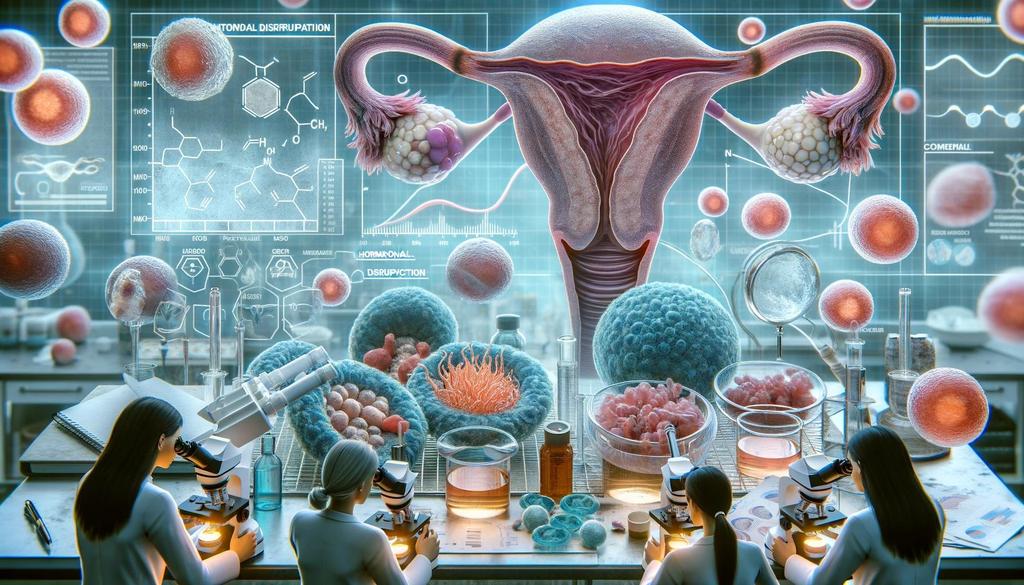
Just like in males, the reproductive system of females is highly vulnerable to the effects of microplastics. The ovaries, which produce eggs and various hormones, can suffer substantial damage from these particles.
- Impact on Oocyte Maturation: The maturation of oocytes, or egg cells, is critical for female fertility. Zhang et al. in 2023 found that exposure to microplastics leads to significant DNA damage in these cells. This damage impairs the maturation process, resulting in fewer healthy eggs available for fertilization and, consequently, decreased fertility.
- Hormone Disruption and Tissue Damage: Another study by An et al. in 2021 revealed that microplastic exposure causes oxidative stress in ovarian granulosa cells, the cells that support egg development. This oxidative stress not only leads to apoptosis, or programmed cell death, but also fibrosis, which is the thickening and scarring of connective tissue. This severely impairs ovarian function and overall reproductive health.
Multigenerational Effects
The damaging impacts of microplastics do not stop with the current generation; they can also affect future generations. This is particularly worrying because it means that the descendants might inherit some of these negative outcomes.
Transgenerational Toxicity:
Research on non-mammalian models, like the fruit fly (Drosophila melanogaster), provides evidence that microplastic exposure causes long-term reproductive harm over multiple generations. For instance, Tu et al. in 2023 found that chronic exposure to microplastics significantly increased ovarian toxicity in these flies. This implies that ongoing exposure could lead to reproductive challenges not just for those directly exposed but also for their offspring.

Case Study: Microplastics and Children’s Toys
Plastic Building Bricks
One of the most creative ways children play is with plastic building bricks, better known as Lego and similar brands. But as kids snap these bricks together and pull them apart repeatedly, they unknowingly contribute to the creation of microplastics and nanoplastics.
Generation of Microplastics:
A study led by Cheng Fang at the University of Newcastle illuminated this issue by using scanning electron microscopy (SEM) and Raman spectroscopy, advanced imaging techniques, to examine what happens to these bricks during play. They found that the friction from connecting and disconnecting bricks generates scratches and scuffs. These marks release thousands of microparticles and hundreds of thousands of nanoparticles for every square millimeter of brick surface.
Potential Health Risks:
The study highlighted that these particles are made of materials like acrylonitrile butadiene styrene (ABS) and polycarbonate, which are used to make the bricks. While these materials are generally considered safe and non-toxic, there’s concern over whether the tiny particles generated during play could be harmful if inhaled or ingested. Although it is still uncertain, long-term exposure to these particles could present health risks, especially for young children who are more vulnerable.
Precautionary Measures:
Given these findings, it’s advised that children be supervised while playing with plastic bricks to minimize exposure risk. This includes making sure they do not eat, suck their fingers, or drink while playing. Post-play handwashing is also recommended to reduce any potential intake of these particles.
Understanding and Mitigating Microplastics in Everyday Life
The unveiled threats and the scientific recommendations underscore the importance of being cautious about our interactions with everyday plastic products. As highlighted in the article from Chemistry World, while more research is needed to fully understand the health risks posed by these microplastics, taking precautionary measures can help mitigate potential exposure, especially among the most vulnerable populations, such as children.
These insights into the production and exposure to microplastics from everyday items like children’s toys emphasize that this is a pervasive issue affecting multiple facets of our daily lives, often in ways we might not immediately recognize. Taking steps to mitigate these risks is an essential part of addressing the larger problem of microplastic pollution.
Implications for Global Fertility Rates
Declining Fertility Trends
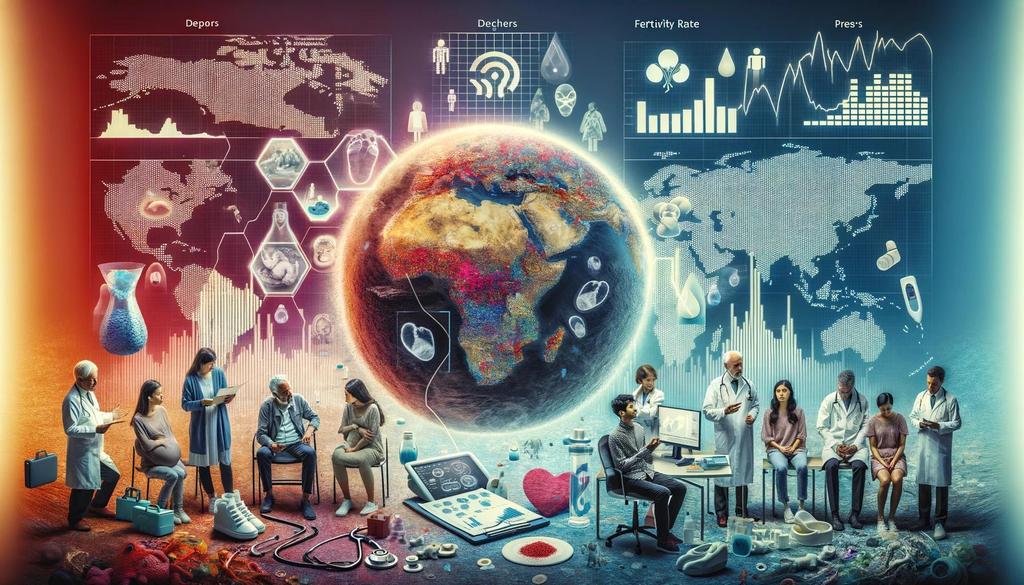
Around the world, fertility rates have been on the decline, with more than 15% of couples experiencing difficulty in conceiving. While there are various reasons for infertility, including lifestyle, genetics, and medical conditions, environmental factors are becoming increasingly significant. One of these emerging culprits is exposure to microplastics, which are now nearly unavoidable due to their presence everywhere—from the water we drink to the food we eat and even the air we breathe.
Research shows that these tiny particles can have a profound negative impact on both male and female reproductive health. For males, microplastics have been linked to reduced sperm quality, testicular damage, and hormonal disruptions. In females, they impair egg development, disrupt hormone levels, and can cause significant structural damage to ovarian tissues. These effects contribute to declining fertility rates, highlighting an urgent need for regulatory and preventive measures.
Health Risk Assessments
Understanding the full impact of microplastics on health, particularly reproductive health, requires extensive research and thorough risk assessments. These assessments help determine the extent and severity of health implications related to microplastic exposure. Researchers suggest that comprehensive studies should consider variables such as the type of plastic, the size of the particles, and the presence of other toxic substances that might hitch a ride on these particles.
Such detailed studies could provide clearer insights into how different concentrations of microplastics affect fertility and overall health. Epidemiological studies, which track health outcomes in large populations over time, are crucial in drawing correlations between microplastic exposure and reproductive issues. By gathering and analyzing this data, scientists can develop evidence-based guidelines and recommendations to mitigate the risk of microplastic exposure.

Potential Solutions and Future Innovations
Advanced Detection and Monitoring
One of the first steps in combating the impact of microplastics is improving our ability to detect and monitor them effectively. Advanced imaging techniques, integrated with nanotechnology, are making it possible to identify and track microplastics even in minuscule concentrations. Technologies such as Raman spectroscopy, which was highlighted in the study of toy building bricks, allow scientists to pinpoint the presence of these tiny particles and understand their distribution in the environment and biological systems.
Additionally, new methods are being developed to monitor the presence of microplastics in human tissues in real-time. Enhancements in these technologies could pave the way for better understanding and managing microplastic pollution.
Health Risk Assessment
Conducting thorough health risk assessments is essential in understanding the degree of danger microplastics pose. These assessments should consider various factors such as the type of microplastic, its size, and how individuals are exposed to it (e.g., ingestion, inhalation, or skin contact). Moreover, considering the potential for co-exposure with other toxins is crucial since microplastics can act as carriers for harmful substances like heavy metals and persistent organic pollutants (POPs).
Epidemiological studies that link levels of microplastic exposure to health outcomes can provide valuable insights. Public health officials and policymakers can develop targeted strategies to reduce exposure and mitigate risks by understanding these relationships.
Precision Medicine
As research continues to uncover how microplastics affect individual health differently, there’s growing interest in using precision medicine to address these effects. Precision medicine tailors medical treatment to the individual characteristics of each patient, considering genetic, environmental, and lifestyle factors. For instance, antioxidant treatments could be explored to counteract the oxidative stress caused by microplastics. Hormonal therapies might help to correct endocrine disruptions resulting from microplastic exposure.
Personalized interventions like these could be crucial for those most affected by microplastics, offering targeted treatments to mitigate specific health impacts. As our understanding of microplastic toxicity evolves, so too will the strategies to manage and treat its adverse effects.

Innovations in Environmental Management
Waste Management and Plastic Degradation
Tackling the issue of microplastics at its source involves improving waste management and developing innovative ways to degrade plastics safely. Effective waste management strategies are essential in reducing the amount of plastic waste that breaks down into microplastics. Enhancing recycling processes and developing robust waste treatment facilities can significantly minimize plastic leakage into the environment.
One promising area of research is the development of biodegradable plastics. These materials break down more easily and safely in the environment, reducing the accumulation of microplastics. Advanced wastewater treatment technologies can also play a critical role. By refining processes to filter out microplastics before water is released back into the environment, we can significantly cut down on the amount of plastic pollution reaching our natural water bodies.
Technological Innovations
Technological advancements are key to addressing the microplastic problem. For example, innovations in filtration technologies can help in removing microplastics from drinking water and other sources. Improving the efficiency and effectiveness of these systems will ensure safer water for communities around the world.
Researchers are also exploring the uses of nanotechnology in environmental health. For instance, materials engineered at the nanoscale could be used to capture and break down microplastics more efficiently. These advanced materials might be integrated into filters or other treatment systems to tackle microplastic pollution at various stages of waste management.
International Collaboration and Policy
Addressing the issue of microplastics requires global cooperation. Policies that limit plastic production and promote extensive recycling practices are fundamental. The U.N. Plastics Treaty, currently in negotiation, is an important step towards establishing global rules for plastic production and disposal. International collaboration is essential for sharing technology and best practices, particularly between developed and developing nations.
Developed countries have more resources and advanced technologies that can be shared to help reduce plastic waste globally. Working together, countries can implement effective solutions that not only manage but significantly reduce the presence of microplastics in our environment.

Microplastics: Hidden Threat to Human Reproductive Health
Microplastics and nanoplastics have emerged as significant environmental pollutants with far-reaching effects on human health, especially reproductive health. These tiny plastic particles, which come from a variety of common sources like plastics breaking down or tiny beads in cosmetics, are now found almost everywhere—in the air we breathe, the water we drink, and the food we eat.
Research has shown that both men and women are affected by microplastics. In men, these particles can disrupt the process of sperm production, damage cells crucial for producing testosterone, and weaken the protective barrier in the testes, leading to decreased sperm quality and fertility. Women face similar threats with microplastics, causing damage to egg cells, disrupting hormone levels, and even leading to intergenerational reproductive issues.
Children are not immune, either. As the case study on plastic toy building bricks revealed, even everyday play can contribute to microplastic pollution. The friction from playing with these toys generates thousands of microplastic particles that children can easily ingest or inhale. This underscores the urgent need for caution and better safety practices during playtime.

Confronting Microplastics: Innovations and Collective Efforts
To combat this pervasive problem, there is a pressing need for innovative solutions. Advancements in technology, such as enhanced detection methods and nanotechnology, are helping us identify and monitor microplastics more effectively. Comprehensive health risk assessments that consider various factors like the type and size of microplastics can guide us in understanding their full impact. Precision medicine offers promising personalized treatments to counteract the adverse effects of microplastics on reproductive health.
Moreover, tackling the root cause of microplastic pollution involves improving waste management and developing biodegradable plastics. Innovations in filtration technologies and international policies to reduce plastic production and promote recycling are critical steps forward.
In essence, addressing the microplastic crisis requires a collective effort from scientists, policymakers, and the public. By continuing to research, innovate, and implement effective measures, we can mitigate the impact of microplastics on global fertility rates and safeguard the reproductive health of future generations.
By reducing exposure and understanding the risks, we can better protect our health and the health of future generations. Together, through science, policy, and personal action, we can address the microplastics crisis effectively.


