
As environmental concerns rise, homeowners and businesses increasingly seek ways to lower their carbon footprints and adopt sustainable practices. One critical aspect often overlooked in this quest is roofing.
Eco-friendly roofing solutions are becoming popular not just for their positive environmental impact but also for the benefits they bring, such as reduced energy costs, enhanced comfort, and increased property value. This article delves into the myriad advantages of eco-friendly roofing and highlights why it deserves attention from anyone involved in building or renovating properties in the UK.
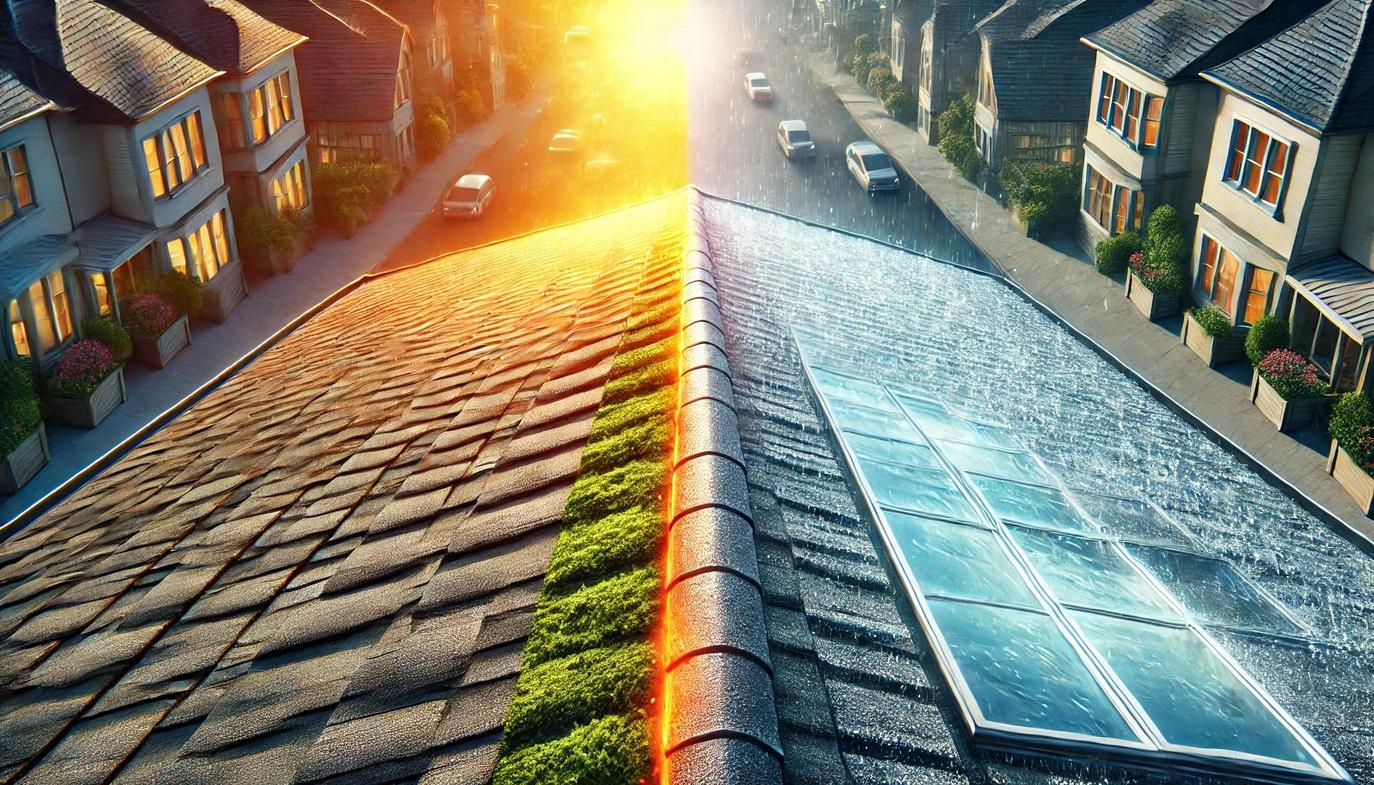
1. Energy Efficiency and Lower Utility Bills
One of the most significant benefits of eco-friendly roofing is its ability to improve a building’s energy efficiency. Traditional roofs, particularly those made of materials such as asphalt shingles or metal, often absorb a lot of heat, causing buildings to become warmer in the summer months. This leads to higher reliance on air conditioning systems to cool the building, resulting in higher energy consumption.
Eco-friendly roofing materials, such as cool roofs or green roofs, are designed to reflect more sunlight and absorb less heat. Cool roofs are typically made from materials with high solar reflectance, which can reduce the amount of heat that enters a building, thus lowering the need for air conditioning. In turn, this reduces energy bills and lowers the building’s carbon footprint. According to the Carbon Trust, a cool roof can reduce cooling costs by up to 30%, particularly during the hot summer months.
2. Reduced Carbon Footprint
Another significant advantage of eco-friendly roofing is the reduction in the carbon footprint of the building. The production and disposal of conventional roofing materials, like asphalt shingles, play a hand in greenhouse gas emissions. Asphalt shingles are typically made from non-renewable resources and are not easily recyclable. This results in a large amount of waste ending up in landfills after the roof reaches the end of its life.
Eco-friendly roofing materials, on the other hand, are often made from recycled or renewable resources. For example, clay or concrete tiles can last for many decades and are fully recyclable at the end of their lifespan. Green roofs help to absorb carbon dioxide and other pollutants while also providing a habitat for wildlife. The act of planting vegetation on a roof helps to mitigate air pollution and contribute to cleaner, healthier air in urban areas.
3. Improved Indoor Air Quality
An overlooked benefit of eco-friendly roofing is its impact on indoor air quality. Green roofs, which are covered with vegetation, provide natural insulation and can filter out pollutants from the air. Plants absorb carbon dioxide and release oxygen, which can improve air quality within and around the building. Furthermore, the moisture from plants helps to reduce dust and airborne particles, which can be beneficial for those suffering from respiratory conditions such as asthma or allergies.
Additionally, eco-friendly roofs made from sustainable materials often contain fewer chemicals and harmful substances that can off-gas into the interior of the building. Traditional roofing materials, such as asphalt shingles, may contain volatile organic compounds (VOCs) that can negatively impact the indoor air quality of a building. By choosing eco-friendly roofing, homeowners can create a healthier indoor environment.

4. Roof Longevity and Durability
Eco-friendly roofing materials tend to be more durable and longer-lasting than their traditional counterparts. Materials like slate, clay, or metal roofing are known for their longevity and resistance to harsh weather conditions, including heavy rain, snow, and high winds. This makes them ideal for the unpredictable weather patterns often experienced in the UK.
Green roofs, while requiring some maintenance, can also last for many years with proper care. The plants on a green roof protect the roofing material underneath from UV rays, which can cause traditional roofing materials to deteriorate over time. This added layer of protection can extend the life of the roof, reducing the need for costly repairs or replacements.
The increased durability of eco-friendly roofing can lead to long-term savings, as homeowners and business owners won’t need to replace their roofs as frequently. In addition, many manufacturers offer warranties for eco-friendly roofing materials, further ensuring the longevity of the investment.
5. Increased Property Value
As environmental consciousness continues to rise, properties with sustainable features, including eco-friendly roofs, are becoming more desirable to potential buyers. A roof that reduces energy consumption, improves insulation, and contributes to sustainability is an attractive feature that can set a property apart in a competitive housing market.
Research shows that homes with energy-efficient features often sell for a premium compared to those without. In fact, properties with green roofs or eco-friendly materials can see an increase in value of up to 5% or more. Additionally, the cost savings on energy bills can make the property more appealing to buyers who are looking for long-term savings.
For business owners, the installation of eco-friendly roofing can also improve a company’s reputation, leading to increased customer loyalty and higher profits. Consumers are increasingly interested in supporting businesses that demonstrate a commitment to sustainability and environmental responsibility. By investing in eco-friendly roofing, businesses can not only improve their bottom line but also enhance their brand image.
6. Government Incentives and Financial Support
In the UK, there are various government incentives and financial schemes available to encourage the adoption of eco-friendly building practices, including green roofing. These incentives may include tax breaks, grants, or subsidies for installing energy-efficient roofing systems. Local councils may also offer incentives for green roofing projects, especially if the installation can help mitigate environmental concerns such as air pollution or flooding.
Additionally, businesses may be eligible for enhanced capital allowances or other financial incentives to encourage the use of sustainable materials in construction. Homeowners may also find that their energy-efficient roofing systems make them eligible for lower council tax rates or energy-efficient home rebates.

Why Eco-Friendly Roofing is a Smart Investment
Eco-friendly roofing is no longer just a trend; it’s a responsible and practical choice for homeowners and businesses seeking to reduce their environmental impact, save on energy bills, and increase the value of their properties. The benefits of eco-friendly roofing, from energy efficiency and reduced carbon footprints to improved air quality and stormwater management, make it an investment that pays off both financially and environmentally.
As the demand for sustainable living continues to grow, eco-friendly roofing solutions are becoming more accessible and affordable. Whether you opt for a cool roof, a green roof, or sustainable roofing materials such as recycled metal or clay tiles, the positive impact on your building and the environment will be substantial.


