
Sunlight serves as a constant, yet capturing that energy for a household involves navigating a complex landscape of technology and regional logistics. While the sun shines for everyone without a monthly bill, the infrastructure required to harness its power comes with a specific set of financial variables that every homeowner must weigh.
Transitioning to renewable energy represents a significant shift in how you manage monthly expenses. Pinpointing an exact solar panel price in India remains challenging because the total cost depends on your unique energy habits and the structural needs of your property.
Each morning the sun rises without presenting a meter reading or a recurring bill. When you begin evaluating a transition to sustainable energy, the primary inquiry usually centers on the current solar panel price in India and its long-term feasibility.
The honest answer is this: there is no single price.
Solar panel prices in India change based on several factors. If you understand these early, you can avoid confusion, hidden charges, and wrong expectations later.
Let’s understand the most important things that shape the solar panel price.

Core Variables Impacting Your Solar Panel Price in India
Several critical determinants interact to establish the final solar panel price in India for residential properties.
1. Electricity Use
Before looking at the price, you need to know how much power you use. For this, you need to check your electricity bill. This statement details the specific energy units consumed during each billing cycle. This number tells you how big your solar system needs to be. A small home with basic use only needs fewer panels. A larger home with AC, heaters, and appliances needs more.
The more electricity you use, the bigger the system you need. It affects your solar panel price.
2. Panel Type
Not all solar panels are the same. The panel you choose affects how much it costs and how well it works.
| Panel Type | Price Range | Efficiency | Best For |
|---|---|---|---|
| Polycrystalline | Lower | Moderate | Budget-focused homes |
| Mono PERC | Medium | High | Most urban homes |
| Mono PERC Half-Cut | Higher | Very high | Limited roof space |
While high-efficiency photovoltaic modules command a premium price, they offset this initial outlay by generating significantly more wattage per square foot.
If your available roof space is restricted, investing in premium panels becomes a necessity. While this increases the immediate solar panel price, the long-term energy yields often provide superior financial returns over the life of the system.
3. Size of the Solar System
Manufacturers typically price solar panels on a per-watt basis, leading to higher total costs for larger systems. Nevertheless, purchasing a high-capacity array often reduces the average cost per unit through economies of scale.
For example:
- A 1 kW system costs less upfront but covers only basic needs.
- A 3 kW or 5 kW system costs more but supports full household use.
Your system capacity should be determined by your current consumption patterns and anticipated future needs rather than just the immediate installation cost.
4. Roof Condition and Installation Needs
Your roof plays a silent role in deciding the final cost. Several structural variables on your property can influence the complexity of the installation process. The engineering team evaluates specific site conditions to ensure maximum energy harvest and safety.
Key roof-related factors include:
- Structural integrity and roof material durability.
- Optimal pitch angle and compass orientation for sun exposure.
- Vertical height of the building affecting equipment transport.
- Necessity for customized mounting frames or reinforcements.
A shadow-free, reinforced roof keeps your ongoing maintenance costs low while maximizing the efficiency of your investment.
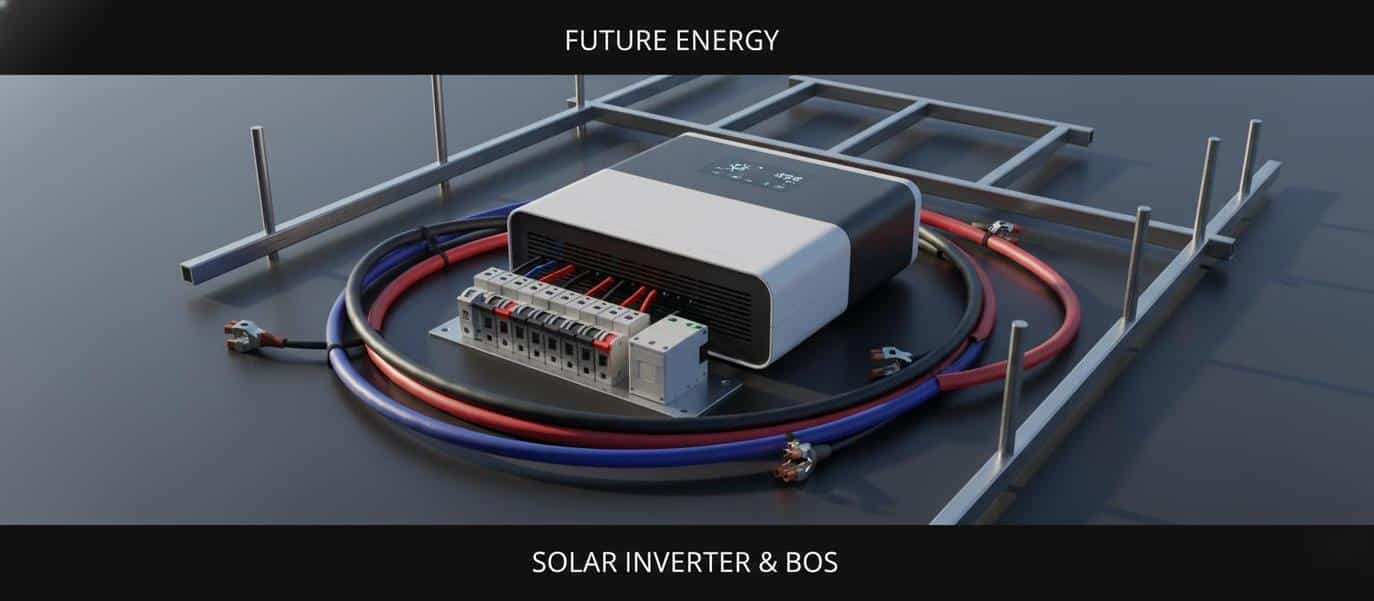
5. Inverter and Balance of System
Solar panels cannot work alone. You also need:
- An inverter
- Mounting structures
- Cables and connectors
- Safety equipment
Inverter technologies vary significantly in efficiency and durability. While budget-friendly models reduce your initial solar panel price, investing in a high-grade inverter prevents frequent replacement expenses and ensures a smoother energy conversion process for your appliances.
6. Installer Experience and Service Support
The company that installs your solar system also affects the solar panel price. An experienced installer may charge a little more, but they do the work properly. Good installation helps your panels work better and last longer.
Things that affect solar panel price include:
- Quality of installation work.
- Safety standards followed.
- After-sales service and support.
- Help with paperwork and approvals.
Hiring a low-cost installer might seem economical initially, but subpar workmanship often leads to technical failures and costly repairs. Prioritizing a reputable professional ensures your system complies with safety standards and operates reliably for years to come.
7. Government Rules and Certifications
Adhering to Indian government regulatory standards is mandatory for grid-connected systems. Utilizing equipment from the Approved List of Models and Manufacturers (ALMM) is a prerequisite for securing federal subsidies and ensuring long-term compliance.
These panels may cost a little more, but they help you avoid problems, delays, and fines. Choosing approved panels keeps your investment safe.
8. Location and Local Conditions
Where you live also affects the price. Factors include:
- City or rural location.
- Distance from the installer warehouse.
- Local labor rates.
- State electricity rules.
Logistical factors such as equipment transport and regional labor rates naturally cause slight fluctuations in your final quote. Discussing these variables with your provider early helps you establish a realistic budget without unexpected surprises.
9. Maintenance and Long-Term Value
Low initial installation fees often mask higher operational costs over time. Prioritizing extended panel lifespans and robust manufacturer warranties ensures that your system remains a high-yielding asset for its entire 25-year service life.
You should think about:
- Panel lifespan.
- Warranty coverage.
- Efficiency over time.
- Ease of cleaning and upkeep.
Panels that last longer are a better choice, even if the starting price is higher.
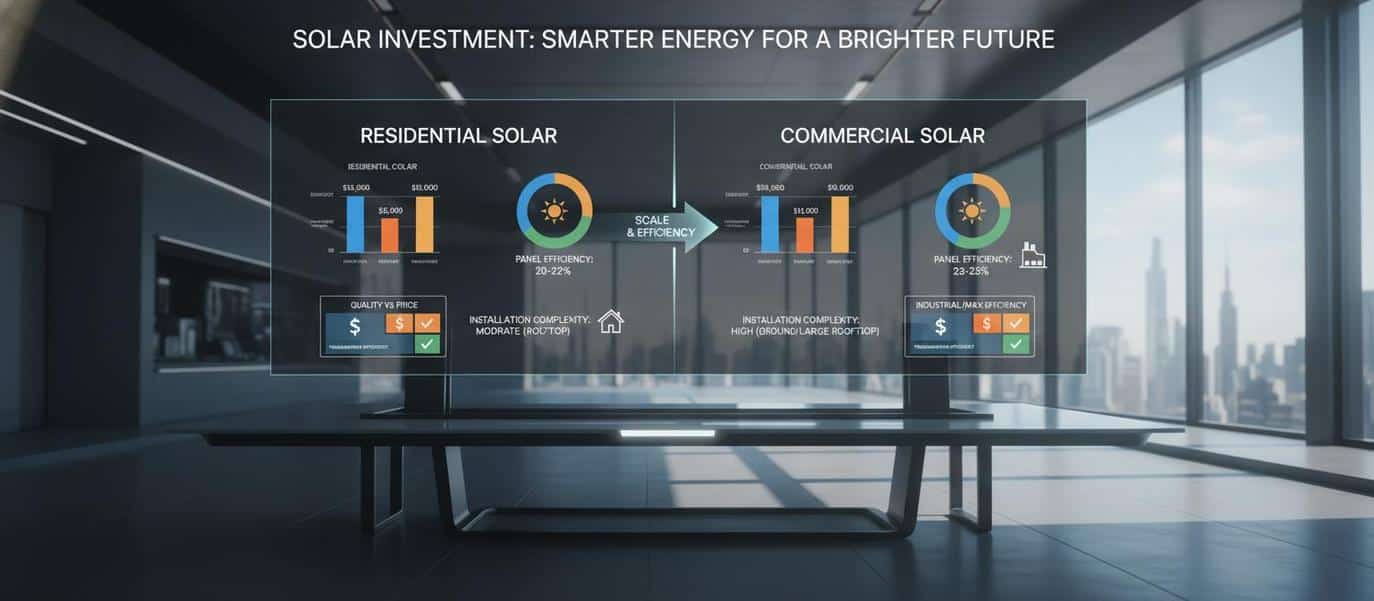
Comparative Analysis of Solar System Cost Variables
Here are the factors and how they affect the price:
| Factor | How It Affects Solar Panel Price | Why It Matters | Cost Impact |
|---|---|---|---|
| Panel type | Better panels cost more | Gives more power in less space | Medium to High |
| System size | Bigger system costs more | Covers more electricity needs | High |
| Roof condition | Extra work adds cost | Safe and strong installation | Low to Medium |
| Inverter quality | Good inverter costs more | Helps panels work smoothly | Medium |
| Government approval | Approved panels cost slightly more | Needed for subsidy and safety | Low |
| Location | Transport and labour affect cost | Changes final installation price | Low |
Future-Proofing Your Solar Energy Investment
Strategic planning for your solar energy transition involves anticipating future lifestyle shifts and technological upgrades.
You need to ask yourself:
- Will you add an air conditioner?
- Will your family size grow?
- Will you buy an electric vehicle?
Planning extra capacity now will often cost you less than upgrading later.
Maximizing Your Solar Investment Value
Deciding to switch to solar power constitutes a long-term commitment to energy independence rather than a simple equipment purchase. Your upfront costs should be viewed as a 25-year investment that pays for itself through drastic reductions in monthly utility bills and increased property resilience.
Focusing on quality and system compatibility ensures that your installation remains efficient for decades. Once you account for government incentives and the rising price of traditional grid power, the financial logic of solar becomes a cornerstone of smart household budgeting.
Frequently Asked Questions About Solar Costs
How much does a 3kW solar system cost in India?
A standard 3kW on-grid solar system generally ranges between ₹1,60,000 and ₹2,20,000 before government subsidies are applied.
Are government subsidies available for residential solar?
Yes, the PM Surya Ghar Muft Bijli Yojana provides significant financial support for rooftop installations up to 10 kW.
How long is the payback period for solar panels?
Most Indian households recover their initial investment within 4 to 6 years through cumulative electricity savings.
Do solar panels still work during the monsoon season?
Modern photovoltaic cells continue to generate power from diffused sunlight on cloudy days, though output levels are naturally lower.
Does roof orientation affect the installation price?
A south-facing, shadow-free roof is ideal; however, complex mounting structures for other orientations may slightly increase labor costs.


