
The frame of your roof is more than just a skeleton for your home; it’s the primary defense against weather and a key component of its long-term stability. A well-designed roof provides protection and enhances the architectural integrity of the building. Roof framing involves the arrangement of rafters and trusses, which collectively support the roof deck and the external coverings. Understanding the significance of different types of roof framing can help homeowners make informed choices that will benefit them for years to come.

The Blueprint for a Strong and Stable Roof
The term roof framing refers to the various methods of constructing the skeleton of a roof. This framework is essential for distributing the weight of the roof evenly across the home’s load-bearing walls. Proper installation ensures that the structure can withstand heavy winds, rain, and snow, and using a truss simulator can help test and design for a safer home.
The materials used are just as critical. Traditional roof framing often employs timber, while modern methods might use metal or engineered wood products. Each type varies in strength, weight, and resistance to environmental factors.
A strong frame prevents structural weaknesses that could otherwise lead to costly repairs. With proper planning and expert guidance on roof framing tips, homeowners can make intelligent investments in their properties, safeguarding against future issues. Whether building a new home or renovating an existing one, understanding roof framing is a direct investment in your property’s durability, stability, and lasting value.
Comparing Common Roof Framing Techniques
There are several common types of roof framing techniques, each with unique characteristics:
- Gable Roofs: Featuring two sloping sides, this popular style provides excellent drainage and allows for attic space.
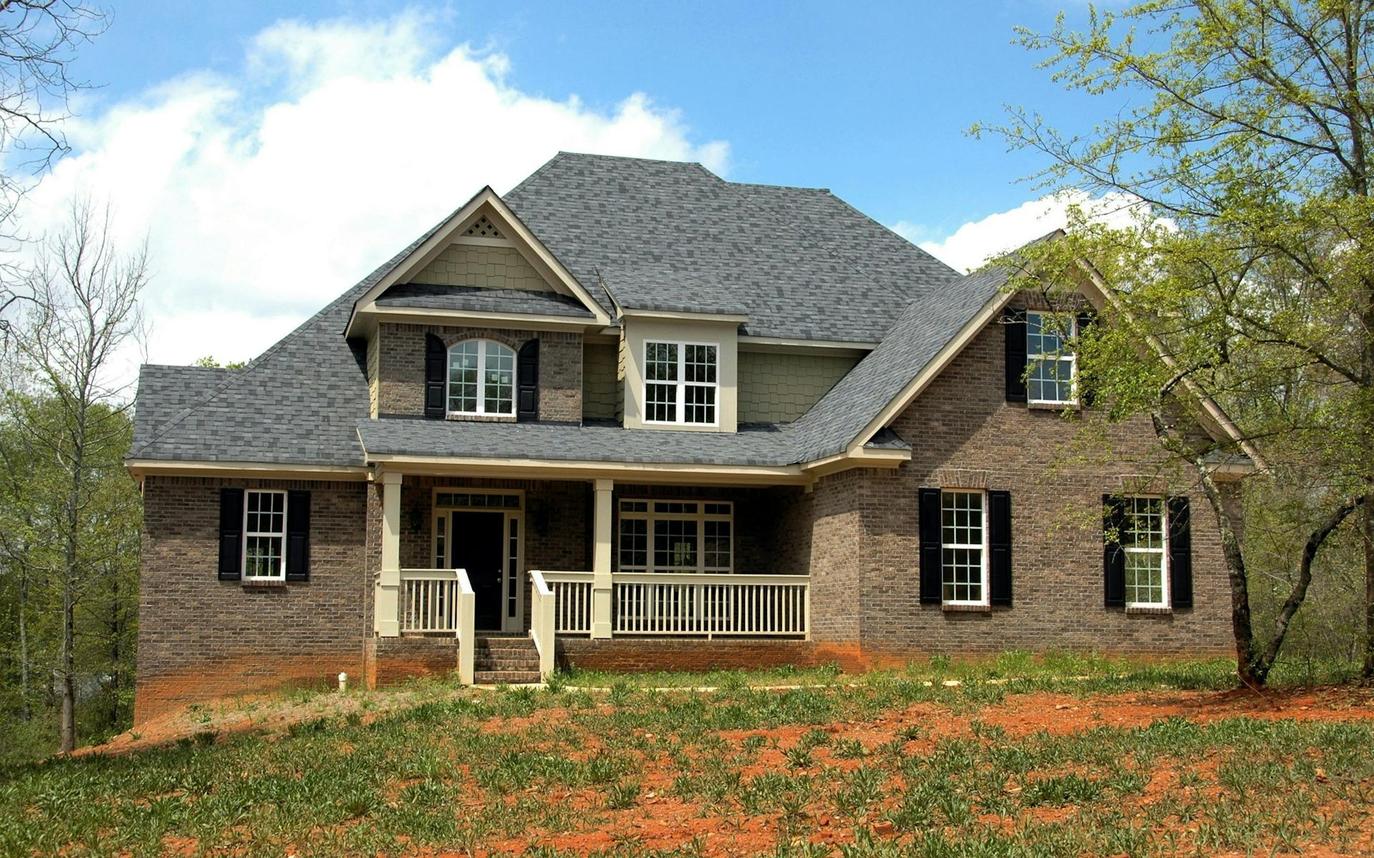
- Hip Roofs: With slopes on all four sides, these roofs offer superior stability, making them ideal for high-wind regions.
- Flat Roofs: Often used for commercial buildings, this type requires carefully planned drainage solutions to prevent water accumulation.
The choice often depends on local climate conditions, aesthetic preferences, and budget constraints. Consult a professional to evaluate the best alternative for your home based on these criteria, ensuring a well-framed roof that meets your needs. A well-chosen framing style can significantly improve the structural integrity and long-term value of your property.
How Roof Framing Boosts Weather Resistance
Weather resistance is an important consideration in roof design. The selected framing style heavily influences how well a roof can endure various elements. Continuous roofing members reduce the risk of leaks, while strategic sloping aids in water drainage. Insulation within the framing can enhance energy efficiency, providing a barrier against extreme heat or cold.
Combining the right materials with quality fasteners and proper construction methods creates a truly fortified roof. Without careful planning and execution, a poorly framed roof can succumb to severe damage from storms or pests, leading to extensive remedial work. Choosing the right framing approach protects the structure and contributes to the comfort and durability of the home.
Ensuring Long-Term Stability Through Proper Maintenance
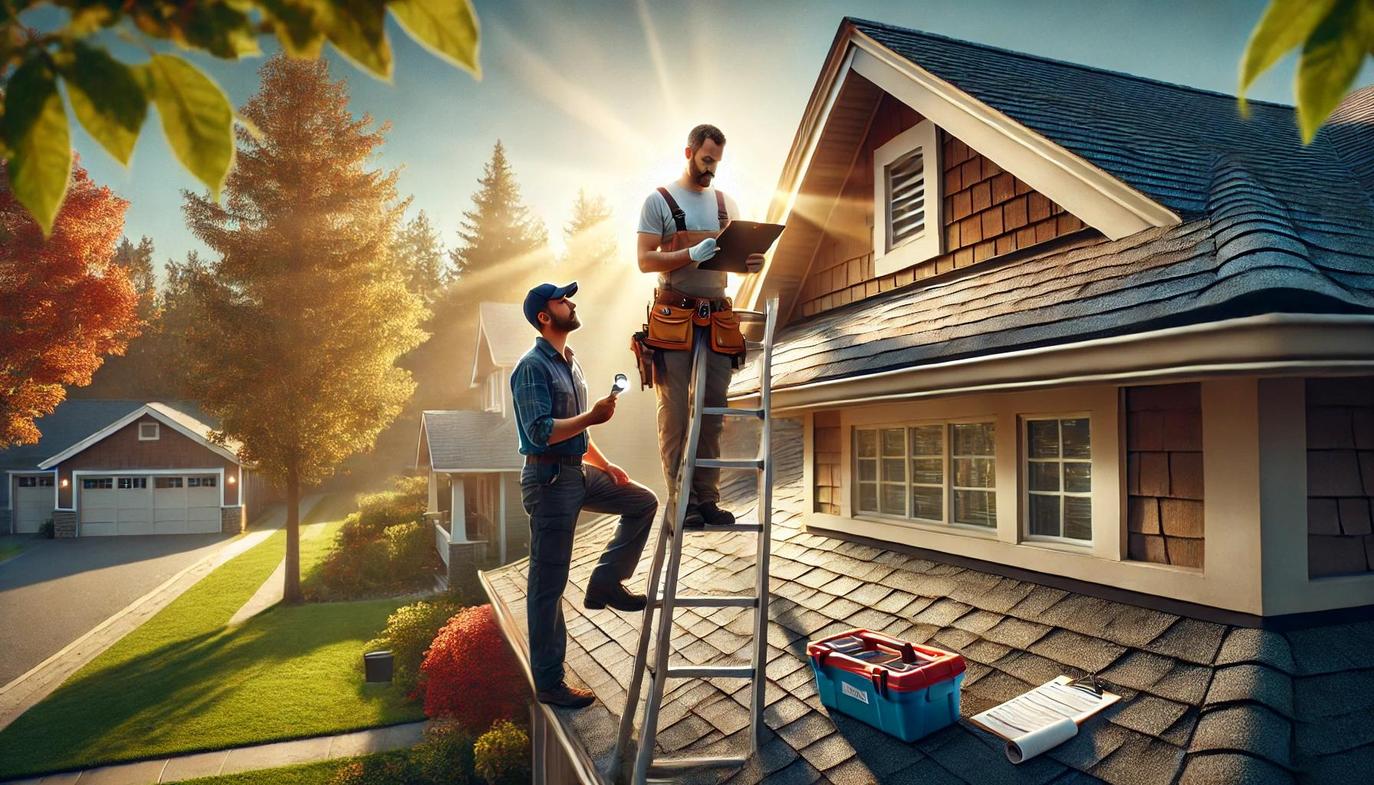
Long-term stability is important for any structure, as it directly impacts the safety and comfort of its inhabitants. Well-constructed roof framing contributes to the life of the home by preventing sagging and deflection over time. Regular maintenance, including inspections for signs of wear or rot, ensures that the roof remains in satisfactory condition.
It’s crucial for homeowners to recognize that environmental factors like humidity, temperature fluctuations, and ice accumulation directly impact a roof’s integrity. By staying aware of potential issues, they can address concerns before they escalate, maintaining a stable and secure living environment.
Understanding the Cost of Different Roof Framing Options
The cost associated with various types of roof framing should be part of the decision-making process. While cheaper materials and methods may reduce short-term expenses, they often lead to higher long-term costs due to maintenance and potential repairs.
While investing in high-quality materials and skilled craftsmanship involves a higher initial outlay, it often translates to fewer repairs and greater durability over the life of the roof. Cost-effective options, such as engineered wood trusses, can provide both durability and savings. Evaluate the entire life cycle of your roofing system when determining the most economical choice.
How Roof Framing Choices Impact Energy Efficiency
Another important factor is how roof framing affects a building’s energy efficiency. Properly insulated roofs help maintain indoor temperatures, reducing heating and cooling costs significantly. The design of roof framing can influence ventilation systems, allowing for improved airflow.
Effective ventilation helps control moisture buildup and temperature fluctuations in attics, extending the lifespan of roofing materials. Quality roof framing protects against the elements, enhances the comfort levels, and reduces the operational expenses of the home.

The Aesthetic and Architectural Impact of Roof Framing
Beyond function, structural choices can greatly influence a building’s appearance and architectural character. The shape and slope of the overhead structure contribute to curb appeal, helping a home blend with its surroundings or stand out as a statement piece. Exposed beams or vaulted ceilings offer visual interest and create a sense of spaciousness indoors.
Balancing aesthetics with performance allows homeowners to personalize their space while maintaining structural integrity. Design decisions made during construction can have a lasting impression on resale value and daily living experience.
Environmental and Sustainability Factors in Roof Framing
The environmental impact of construction materials is now a major consideration for many homeowners, and roof framing is no exception. Sustainable materials and green roofing practices are now gaining popularity. Factors like sourcing responsibly harvested wood, utilizing recycled materials, and renewable energy systems can contribute positively to the environment.
Incorporating sustainability into roof framing projects enhances long-term value and reduces the home’s carbon footprint. An eco-friendly roof can attract eco-conscious buyers and provide savings through energy-efficiency improvements.
Innovations and the Future of Roof Framing
The field of roof framing continues to evolve with advancements in technology and materials. Several key innovations are reshaping traditional practices:
- Lightweight framing systems have been developed to be easier and faster to install.
- Environmental conditions can be adjusted by smart roofing materials.
- Enhanced insulation methods that improve overall energy efficiency.
As climate change impacts weather patterns, new solutions will be paramount in ensuring resilience and sustainability. Homeowners should stay informed about emerging technologies and resources available for roof framing techniques to prepare for future challenges and opportunities.
The Foundation of a Durable Home: Investing in Quality Roof Framing
Understanding the significance of roof framing is essential for building durable, weather-resistant homes. From ensuring long-term stability to enhancing energy efficiency and architectural appeal, the choices made during construction have a lasting impact. Knowledge of different framing methods, materials, and their cost implications empowers homeowners to make sound decisions.
By investing in high-quality materials, engaging skilled professionals, and considering the long-term benefits of a well-built structure, you are not just building a roof—you are safeguarding your home’s value and ensuring a safe, comfortable living environment for years to come.
Your Roof Framing Questions Answered
What is the most durable type of roof framing?
For high-wind areas, a hip roof, which slopes on all four sides, generally offers the most stability and durability. However, the best choice often depends on a combination of local climate, architectural style, and the specific materials used, such as high-quality timber or engineered trusses.
How does roof framing impact my home’s energy bills?
Proper roof framing directly impacts energy efficiency by allowing for adequate insulation and ventilation. A well-designed frame prevents heat loss in the winter and keeps the home cooler in the summer, which can significantly reduce heating and cooling costs over time.
Can I use sustainable materials for my roof framing?
Absolutely. Many homeowners are now opting for sustainable options like responsibly sourced timber, recycled steel, or engineered wood products. These materials not only reduce the environmental footprint of your home but can also contribute to its long-term value and energy efficiency.


