
Roofing plays a critical role in both protecting your home and regulating its internal environment. As energy costs rise and homeowners look for sustainable living solutions, the right roofing materials can significantly impact monthly utility bills and long-term comfort. Beyond aesthetics and durability, today’s homeowners are now factoring in thermal performance, reflectivity, and sustainability when choosing a roofing system.
From traditional materials reimagined with energy efficiency in mind to cutting-edge technological innovations, modern roofing offers a range of options for those aiming to reduce their carbon footprint and utility expenses. A wise choice not only benefits your wallet but also contributes to a healthier planet and a more resilient home.
Choosing the Right Roof for Your Climate
Selecting the most effective roofing material often starts with understanding the climate in your area. Some materials work better in hot, dry regions, while others perform optimally in cold or humid environments. Lighter-colored roofing products reflect solar heat and are ideal for sunny locations, whereas materials with superior insulation properties help retain warmth in cooler climates.
When exploring roofing systems tailored to Saratoga Springs homes, for instance, it’s important to consider products that manage both summer heat and winter snow. Modern composite shingles, metal roofing with reflective coatings, and energy-efficient tiles all offer region-specific benefits that help homeowners reduce heating and cooling demands throughout the year.
A local expert will factor in snowfall load, UV exposure, and seasonal temperature swings to ensure the ideal balance of energy performance, structural integrity, and year-round savings.
Cool Roofs: Your First Line of Defense Against Heat
Cool roofs are designed to reflect more sunlight and absorb less heat than standard roofs. Typically made from highly reflective materials like white membranes, specially coated metal, or light-colored tiles, cool roofs are ideal for reducing air conditioning use in warm weather.
The U.S. Department of Energy notes that cool roofing materials can lower surface temperatures by more than 50 degrees Fahrenheit compared to conventional roofing. This translates directly into reduced indoor temperatures and energy savings during peak summer months.
Installing a cool roof doesn’t mean compromising on style. Today’s manufacturers offer a variety of textures, finishes, and colors that complement virtually any home design while still delivering top-tier performance.
By maintaining cooler indoor environments, these systems help reduce strain on HVAC units, leading to lower repair and maintenance costs.
Metal Roofing: The Durable and Energy-Efficient Choice
Once viewed as purely industrial, metal roofing has evolved into a sleek, eco-friendly option for residential properties. Aluminum, steel, and copper panels offer several key advantages:
- Durability: They have a long lifespan, often exceeding 50 years.
- Sustainability: They are typically made from recycled materials and are fully recyclable at the end of their life.
- Energy Efficiency: Modern metal roofs often come with factory-applied reflective coatings that enhance solar reflectance and thermal emittance.
These coatings help keep attics and upper floors cooler by bouncing sunlight away rather than absorbing it. Combined with appropriate insulation, metal roofs can reduce annual energy consumption by up to 40 percent in some cases. With a lifespan often exceeding 50 years, they represent a cost-effective investment for any homeowner prioritizing sustainability.
Metal roofing is resistant to fire, pests, and mildew, making it a smart choice for climates with fluctuating weather conditions. Whether you’re aiming for a contemporary or rustic look, metal panels are available in styles that mimic traditional shingles, tiles, or standing seam patterns.
Power Your Home from Above with Solar Roofing
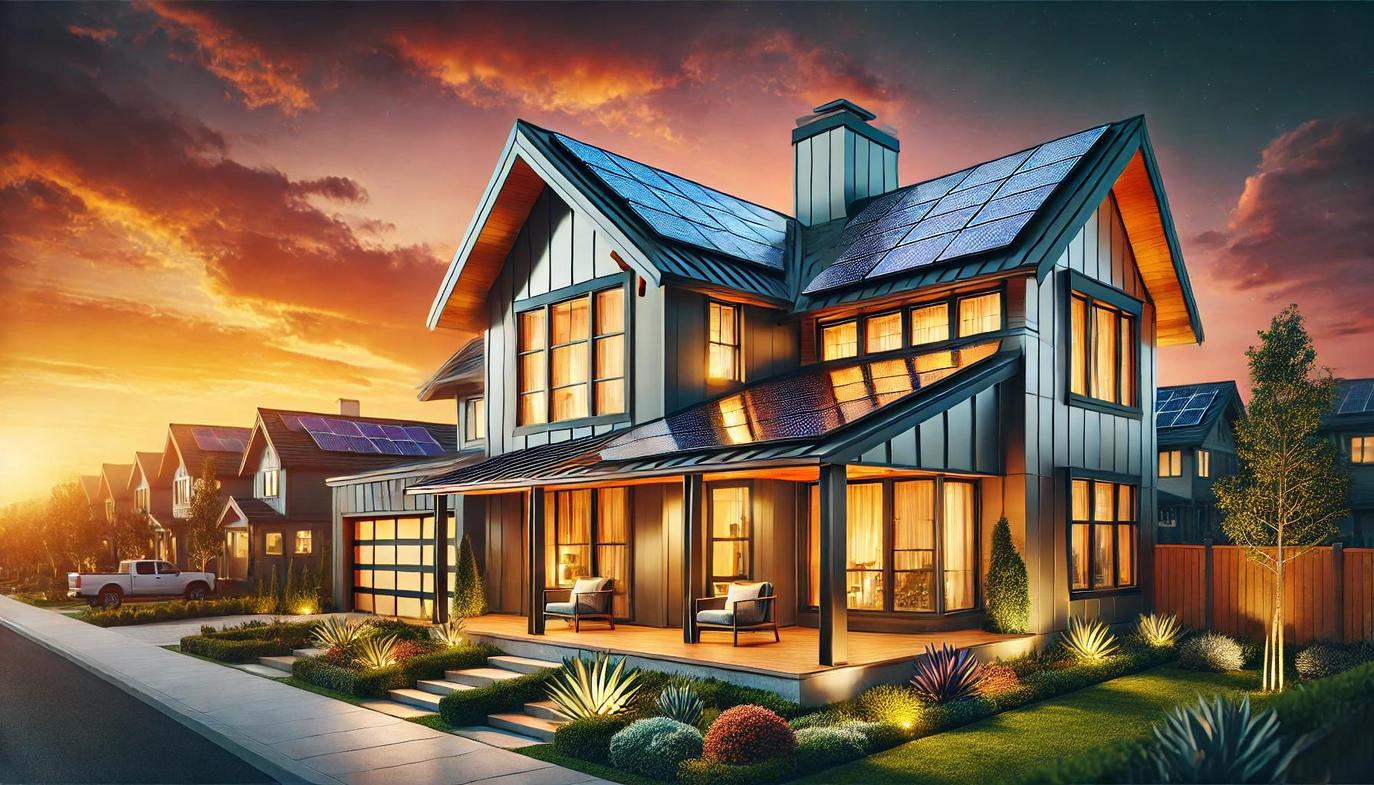
Solar technology has progressed well beyond bulky rooftop panels. Today, solar shingles and integrated solar tiles offer a streamlined way to harness the sun’s energy while maintaining curb appeal. These materials function as both a roofing surface and an energy generator, converting sunlight into electricity to power your home.
Depending on system size and household energy use, solar roofing can dramatically reduce—or even eliminate—your monthly electricity bills. Many homeowners benefit from tax incentives, rebates, and net metering programs that offset installation costs.
While the upfront investment is significant, the long-term savings and environmental benefits make solar an appealing option. Plus, with continued innovation and wider adoption, costs are gradually decreasing, and installation services are becoming more accessible nationwide.
Insulated Roofing Panels for Year-round Efficiency
Another rising trend in energy-conscious roofing is the use of insulated roof panels (IRPs). These structural components combine a high-performance foam core sandwiched between two layers of durable sheeting, often made of metal or engineered composites.
IRPs provide superior insulation, reducing thermal bridging and air leakage. By maintaining consistent indoor temperatures regardless of outside weather, they improve overall energy efficiency and lower heating and cooling costs.
These panels are lightweight and relatively easy to install, making them a preferred option for new construction or major roof replacements. Many IRPs offer built-in moisture barriers and soundproofing, enhancing indoor comfort.

Synthetic Shingles That Mimic Traditional Materials
Composite or synthetic shingles offer a low-maintenance alternative to traditional wood, slate, or clay materials while preserving visual appeal. Made from engineered blends of polymers, recycled plastic, and rubber, these shingles are designed to resist UV damage, wind, and extreme temperatures.
Many synthetic options now include reflective pigments or UV inhibitors that contribute to a cooler roofing system. Unlike real wood, they don’t rot, warp, or require regular sealing. And while they’re lighter than slate or clay, they still provide excellent protection and insulation.
This innovation provides homeowners with an eco-friendly option that balances sustainability, energy efficiency, and aesthetic value. In neighborhoods with strict homeowners’ association guidelines or historic preservation requirements, synthetic shingles can meet appearance standards while delivering better performance.
Green Roofs That Add Life and Reduce Heat
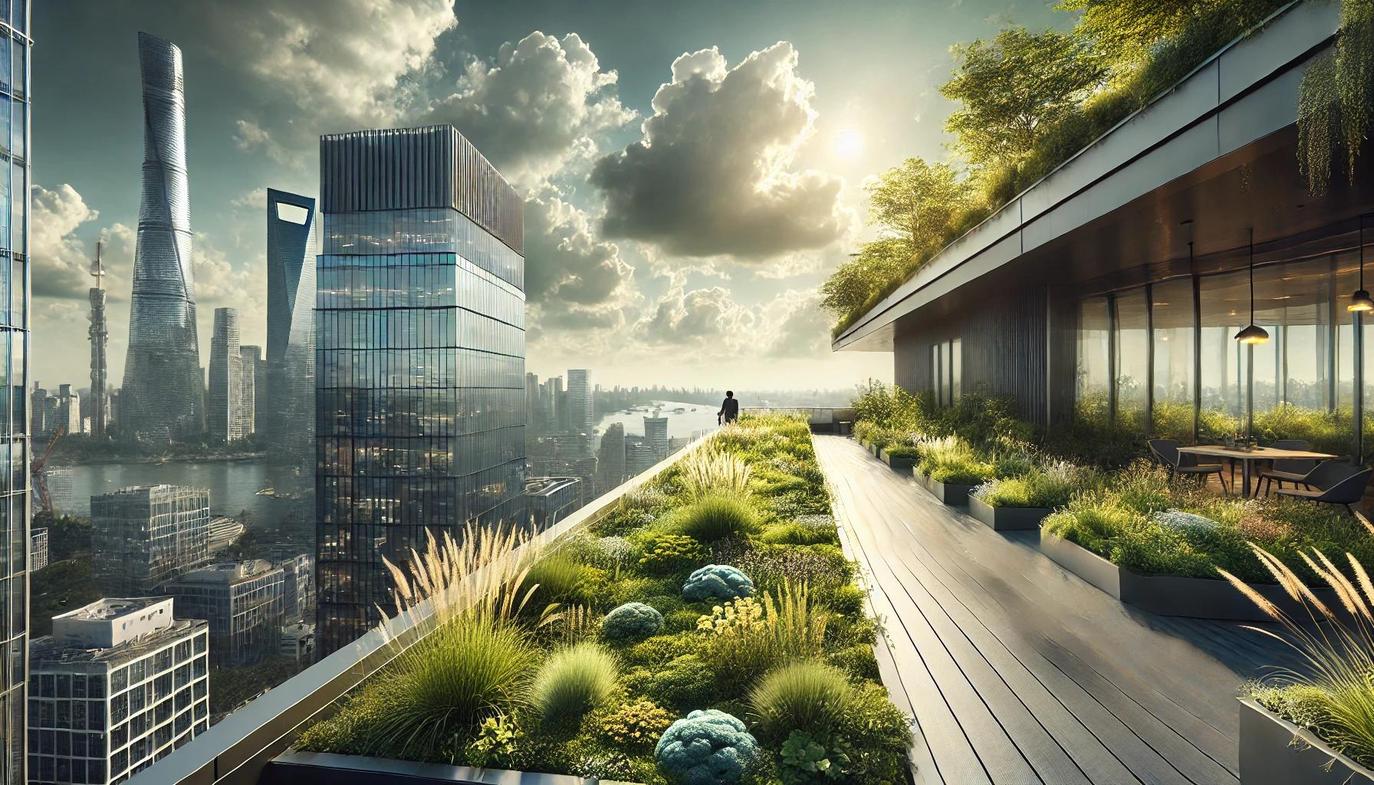
Green roofs, or living roofs, are increasingly popular in urban settings where space is limited and temperatures can soar. These roofs incorporate a layer of vegetation over a waterproof membrane, providing natural insulation and reducing heat absorption.
Beyond energy efficiency, green roofs offer significant environmental advantages. They improve air quality, help with stormwater management by absorbing rainfall, and create valuable habitats for local wildlife. Furthermore, they extend the life of the roof by shielding the underlying surface from harsh sun and extreme temperatures.
While green roofs require careful planning and structural support to bear the added weight, their benefits in terms of energy savings and sustainability are significant. They transform a simple rooftop into a vibrant, functional ecosystem that adds value to any property.
From solar-integrated shingles to reflective coatings and green systems, the array of available technologies empowers homeowners to make informed, eco-conscious decisions. By selecting a roof that supports long-term energy performance, you’re investing in your home’s future comfort and financial well-being.

Investing in Your Home’s Future: The Smart Choice in Modern Roofing
Choosing the right roof is one of the most significant decisions a homeowner can make. It’s an investment not only in the structural integrity of your home but also in its long-term energy performance and sustainability. Modern roofing materials, from reflective cool roofs to integrated solar solutions, offer powerful tools to lower utility bills, reduce your carbon footprint, and enhance home comfort year-round. By prioritizing energy-efficient roofing, you are taking a proactive step towards a more sustainable and financially sound future, ensuring your home is prepared for whatever lies ahead.
Frequently Asked Questions About Energy-Efficient Roofing
What are the best roofing materials for energy savings?
The best materials depend on your climate, but top options include cool roofs with reflective coatings, insulated metal roofing, and integrated solar roofing systems. These are all designed to minimize heat absorption in the summer and retain warmth in the winter, leading to significant long-term energy savings.
How do cool roofs work?
Cool roofs are made from highly reflective materials that bounce sunlight and heat away from your home. This process can lower a roof’s surface temperature by over 50 degrees, which keeps the interior of your home cooler and reduces the strain on your HVAC unit during hot weather.
Is metal roofing a good investment for sustainability?
Absolutely. Metal roofing is not only durable and often made from recycled materials, but it is also one of the most energy-efficient options available. When treated with reflective coatings, it can lower cooling costs by up to 40%, making it an excellent long-term investment for sustainable living.
What are solar shingles?
Solar shingles, or solar tiles, are an innovative technology that integrates photovoltaic cells directly into the roofing material. They function as both a protective roof and a power source, generating electricity for your home while maintaining a sleek, traditional appearance.

