
Smart home technology has evolved rapidly in recent years. For many people, smart lighting, connected heating systems, and voice-controlled appliances have long been part of everyday life. Yet, digitalization doesn’t stop at the living room door; the smart home gym is increasingly becoming part of the connected home ecosystem. Modern workout equipment combines innovative hardware with intelligent software, creating a training experience that goes far beyond traditional strength-training machines.
From Smart Home to Smart Gym
The smart home concept is based on interconnecting various devices to make daily life more convenient. While the initial focus was primarily on energy efficiency and security, the concept has since expanded to other areas of life, including the smart home gym and fitness.
Today, people who work out at home want more than just to lift weights; they want to organize their training easily and track their progress. Apps, cloud services, and sensors make it possible to automatically save workout data and flexibly adjust programs. As a result, the home gym is increasingly becoming an integral part of the digital home.
Smart Fitness Equipment Offers More Than Just Resistance
Modern Speediance training systems demonstrate how classic strength-training equipment has evolved. Instead of relying solely on mechanical weights, many systems utilize digital resistance technology. This allows various forms of training to be combined in a single device, eliminating the need for numerous dumbbells or weight plates.
Furthermore, smart fitness equipment automatically captures various workout metrics. Repetitions, workout duration, and resistance levels are recorded and made available for analysis. This gives users a better overview of their progress and enables them to plan their workouts more effectively.
Another advantage is flexibility. Users can often switch between different exercises with just a few simple adjustments, making varied strength training possible even in limited spaces. Such multifunctional solutions are becoming increasingly important, particularly in apartments or smaller houses.
Personalization through Data and Artificial Intelligence
A key difference between traditional and modern fitness equipment lies in the intelligent use of data. While workout plans used to be largely static, digital systems today can take individual information into account and adjust training accordingly.
For instance, artificial intelligence analyzes completed workout sessions, detects changes in performance levels, and suggests appropriate intensity levels or exercises. Fitness systems such as the Gym Monster 2 illustrate how modern fitness equipment can combine digital functions with versatile training options. This creates a dynamic training process that can be adapted more closely to individual needs and personal fitness goals.
Before starting a personalized training plan, many people use digital tools to better assess their baseline fitness. These include apps or body-shape calculators that factor in various body measurements and provide initial insights into one’s physique. When combined with smart fitness equipment and training data, this creates a more solid foundation for personal workout planning.
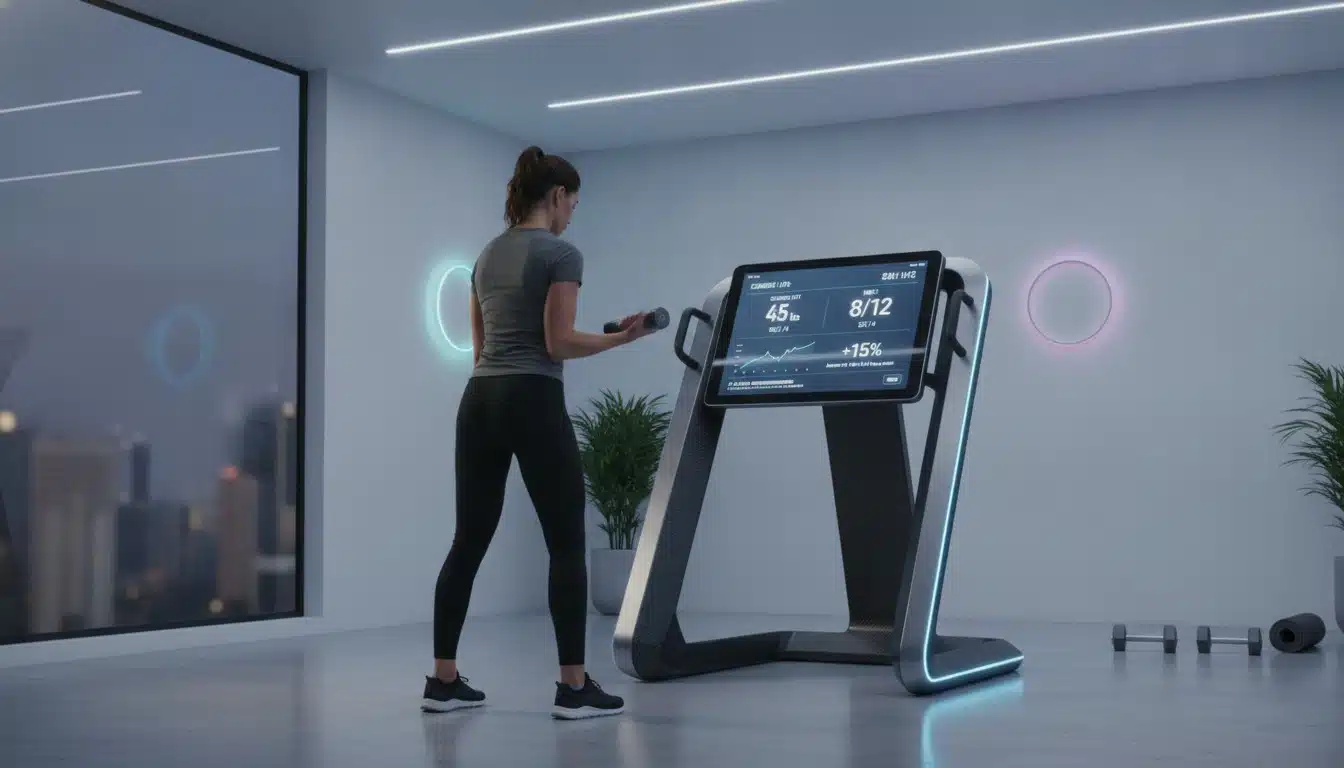
Additionally, many systems provide real-time feedback during exercises. Guidance on form or training volume can help users perform movements more consciously and pursue their personal fitness goals more consistently. While technology cannot fully replace a human trainer, it offers valuable support for independent home workouts.
Why Compact Solutions Are Becoming Increasingly Important
Living space is limited, particularly in many cities. Consequently, building a functional home gym with numerous individual machines is often difficult to achieve. At the same time, many people desire the ability to work out without being constrained by gym opening hours or travel times.
For this reason, compact, multifunctional fitness solutions are gaining importance. They combine various workout options within a relatively small footprint, reducing the need for multiple pieces of equipment. This principle aligns well with the core concept of modern smart homes: efficiently integrating as many functions as possible into a single system.
There are also organizational benefits. Digital training programs, automatic equipment settings, and saved user profiles allow workouts to start faster and require less preparation time.
The Future of Connected Training
The development of smart fitness solutions is likely only just beginning. Many devices can already be connected to wearables, fitness apps, or health platforms, providing comprehensive insights into physical activity, exertion, and recovery.
Connectivity is set to increase further in the future. Exercise equipment could combine data from smartwatches, sleep trackers, and heart rate monitors to generate even more personalized recommendations. At the same time, software updates will continuously introduce new features without the need to purchase new hardware.
Nevertheless, regular physical activity remains the most important prerequisite for long-term training success. Research from Mayo Clinic confirms that strength training offers numerous health benefits, including improved bone density, weight management, and chronic disease prevention. While smart technologies can support motivation, planning, and workout management, they cannot replace the individual’s own willingness to stay active.
Conclusion
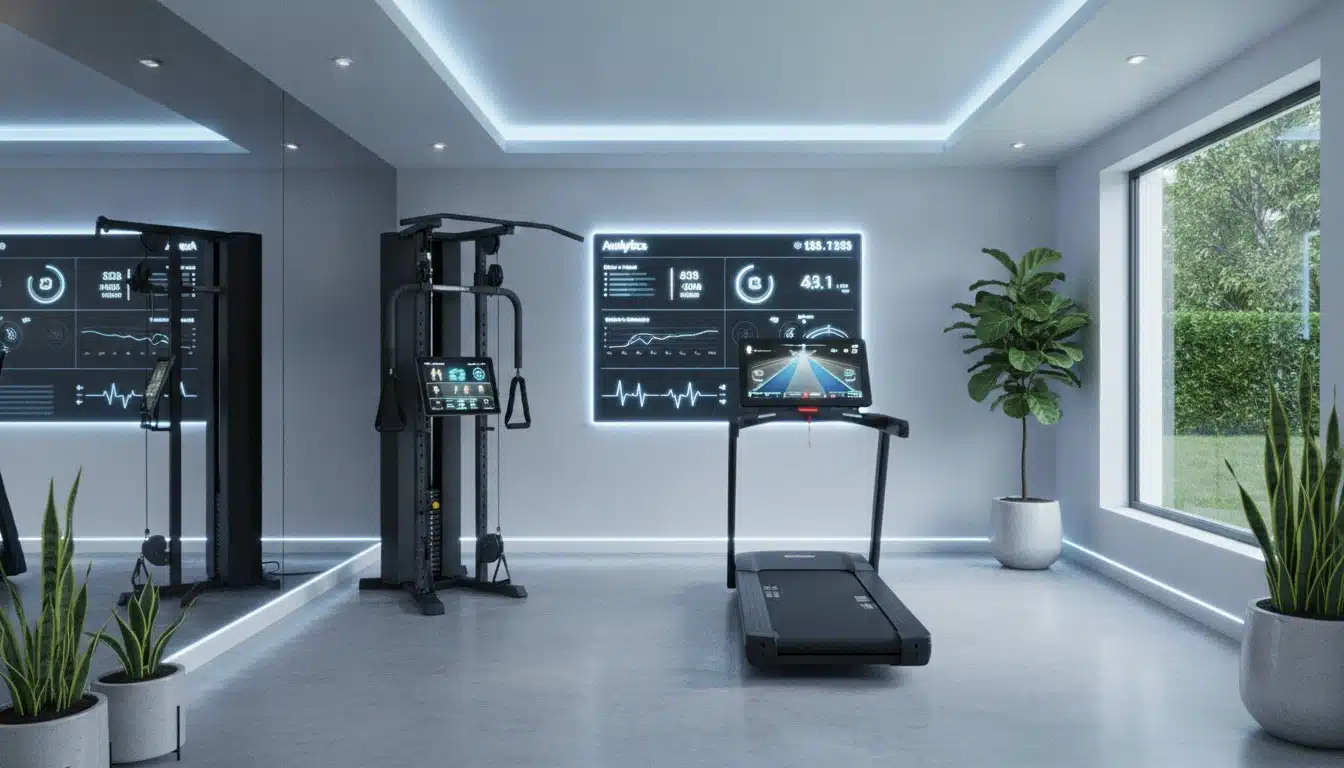
Smart home technology is transforming far more than just lighting or heating control today; the home gym is also increasingly evolving into an intelligently connected part of the household. Digital resistance systems, automated workout analysis, and personalized programs are opening up new possibilities for convenient and efficient home workouts.
By combining intelligent software, space-saving design, and data-driven training management, modern fitness solutions demonstrate just how closely technology and health are now intertwined. Those who wish to work out at home benefit from innovations that make strength training more flexible and personalized, while allowing it to be better integrated into daily life.


