
The Cotoneaster franchetii (Franchet’s cotoneaster) is a bushy, hairy-leafed shrub known for its cluster of bright berries and simple leaves. A study by scientists at the Royal Horticultural Society (RHS) found the humble hedge is a ‘super plant’ that can soak up air pollution better than any other shrub yet reported. The horticultural experts recommend planting it in heavy traffic areas to improve human health by trapping harmful airborne particles. It can also help with the climate crisis by absorbing carbon emissions.
The scientists discovered the fact while comparing the effectiveness of hedges for cleaning air pollution. They studied various types of shrubs, including hawthorn, cotoneaster, and western red cedar. In traffic hotspots, the cotoneaster is at least 20% more effective compared to the other shrubs.
Dr. Tijana Blanusa, the lead researcher for the paper and RHS Principal Horticultural Scientist, said:
On major city roads with heavy traffic, we’ve found that the species with more complex denser canopies, rough and hairy-leaves such as cotoneaster were the most effective. We know that in just seven days, a one-meter length of the well-managed dense hedge will mop up the same amount of pollution that a car emits over a 500-mile drive.
We estimate the Cotoneaster franchetii traps 20% more emissions than other hedges we have tested, so would be ideal along busy roads in pollution hot spots. For other areas where encouraging biodiversity and pollinators is key, a mix of different hedge species would be recommended.
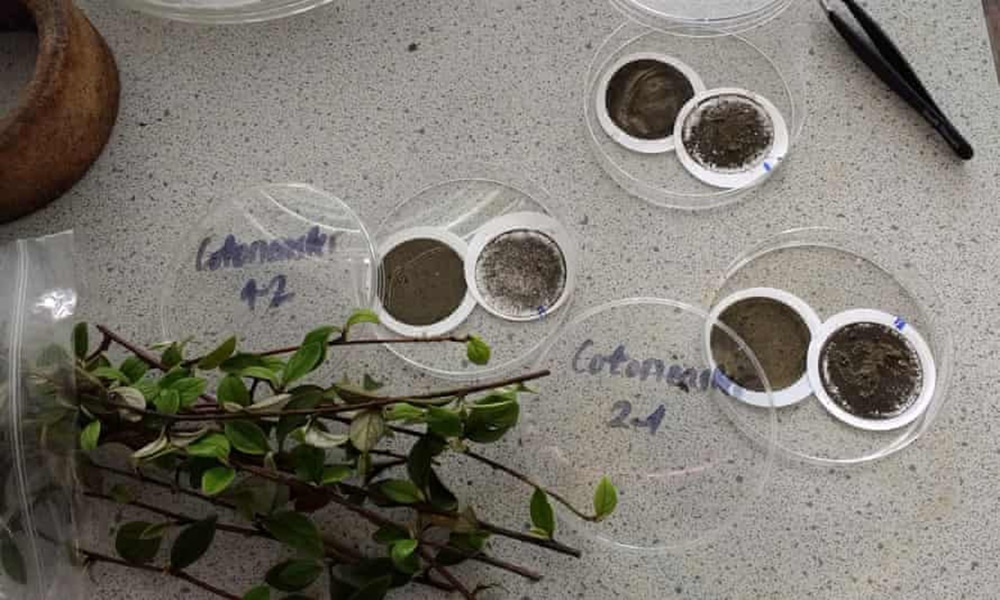
The charity conducts research to uncover which plants are best at easing environmental problems like air pollution, heat waves, and flooding. It’s also looking into how to boost the benefits of green spaces and gardens. Urban horticulture could be a powerful tool in building sustainable cities.
The UK government declared the country’s poor air quality is the most considerable environmental risk to public health. RHS commissioned YouGov to survey the matter. The poll involved 2,056 adults. It found that one in three people (33%) in the UK are affected by air pollution, but only 6% are taking active measures in their gardens to alleviate it. Meanwhile, almost six in ten (59%) people in London are affected by air pollution, with nearly a quarter (22%) being ‘significantly affected,’ but only 4% of the people plant species focused on minimizing pollution.
Flooding impacts over one in ten nationally (13%), and heatwaves ‘moderately’ or ‘severely’ affect almost four in ten respondents (38%) and 56% of Londoners.
However, 86% of the people surveyed say they care about environmental issues, and 78% are worried about climate change. Seven in ten (70%) claim to take positive action to help the environment, and 20% say they do as much as possible. The RHS is hoping to utilize that interest to inspire people to tend to their gardens in a manner that will help the environment.
RHS said:
We hope to harness people’s enthusiasm and willingness to take action to improve the environment and mitigate against climate change by encouraging a more considered approach in gardens that is informed by the latest science.
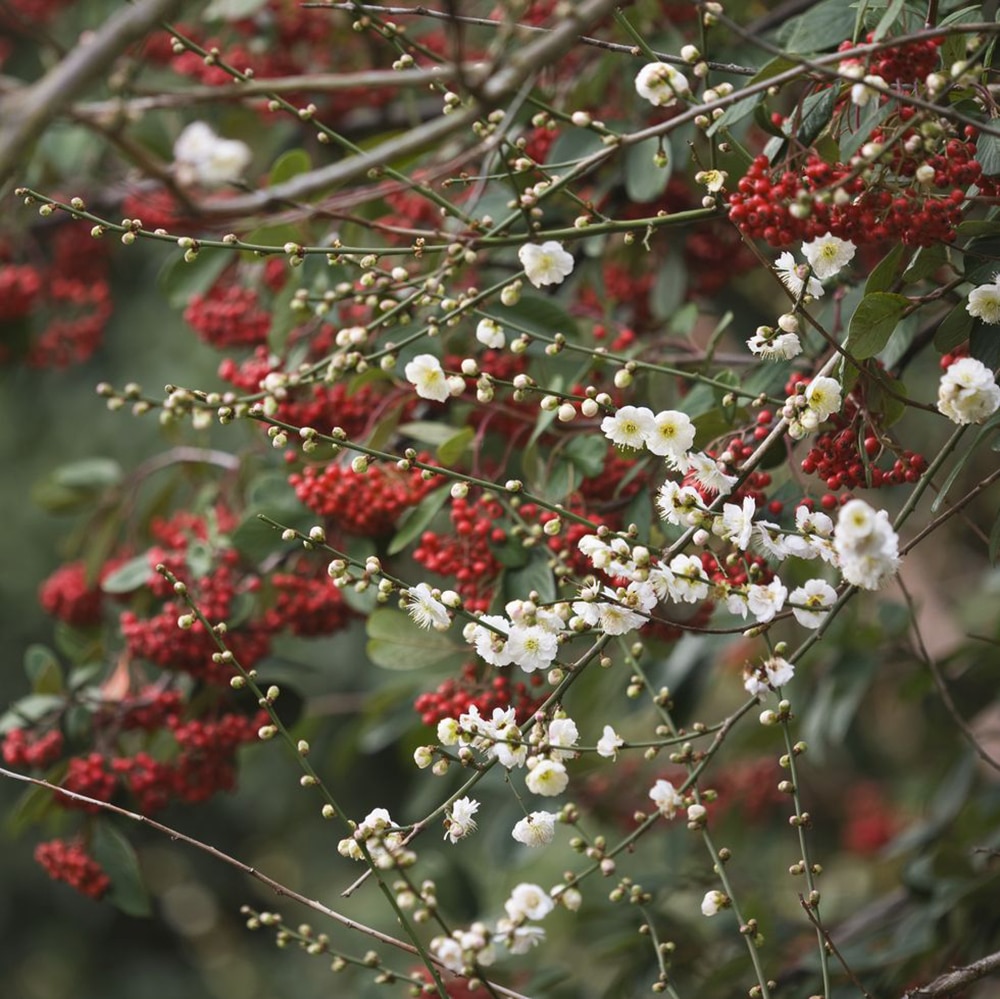
Shrubs, hedges, and trees provide the most significant long-term benefits for wildlife and the environment. According to the survey, four in ten (38%) gardens in the UK contain at least one hedge, and six in ten people (61%) have at least one tree.
Professor Alistair Griffiths, the Director of Science and Collections at RHS, said:
RHS science has shown that underlying traits of certain plant species and cultivars, such as leaf shape and root features, help alleviate numerous environmental issues. We are continually identifying new ‘super plants’ with unique qualities which, when combined with other vegetation, provide enhanced benefits while providing much-needed habitats for wildlife.
We’ve found, for example, that ivy wall-cover excels at cooling buildings and hawthorn and privet help ease intense summer rainfalls and reduce localized flooding. If planted in gardens and green spaces where these environmental issues are most prevalent, we could make a big difference in mitigating against and adapting to climate change.
We are working on multiple new projects that will unlock the true potential of gardens and garden plants. We hope to harness the power of the UK’s 30 million gardeners to help turbocharge the fight against climate change and biodiversity loss.
RHS scientists are now moving into a center (the RHS Hilltop) with state-of-the-art lab facilities, which will enable them to increase their research capabilities. The center includes an ample exhibition space and four acres of ‘living laboratories’ to teach visitors and school children their latest findings. The visitors can incorporate everything they learn in communities, schools, and at home.


