
Have you ever considered the scenario where the three little pigs chose sustainable materials for their homes instead of using straw, sticks, and bricks? The wolf might have encountered an entirely different outcome in an eco-friendly standoff!
This article explores a vital and captivating subject: enhancing sustainability in construction. This guide serves to illuminate ways to minimize the environmental impact of the construction industry while still ensuring the creation of robust structures. It is time to put on hard hats and delve into the world of sustainable building practices.
The Dawn of Eco-friendly Construction
The construction industry historically has not been celebrated for its environmental stewardship. It is widely recognized for substantial carbon emissions and extensive waste generation, resulting in a significant environmental footprint akin to that of a large construction site.
However, there is encouraging news. Innovative practices and the adoption of sustainable materials are beginning to transform this sector. Recent trends indicate a substantial shift toward green alternatives, highlighting the urgent need for widespread adoption of these practices.
The importance of sustainability in construction cannot be overstated. By opting for eco-friendly materials, it is possible to reduce pollution, conserve valuable resources, and create durable structures capable of lasting for generations. This approach offers a dual benefit: advancing environmental health while also enhancing the resilience of construction projects.

Materials Revolutionizing Sustainability in the Construction Space
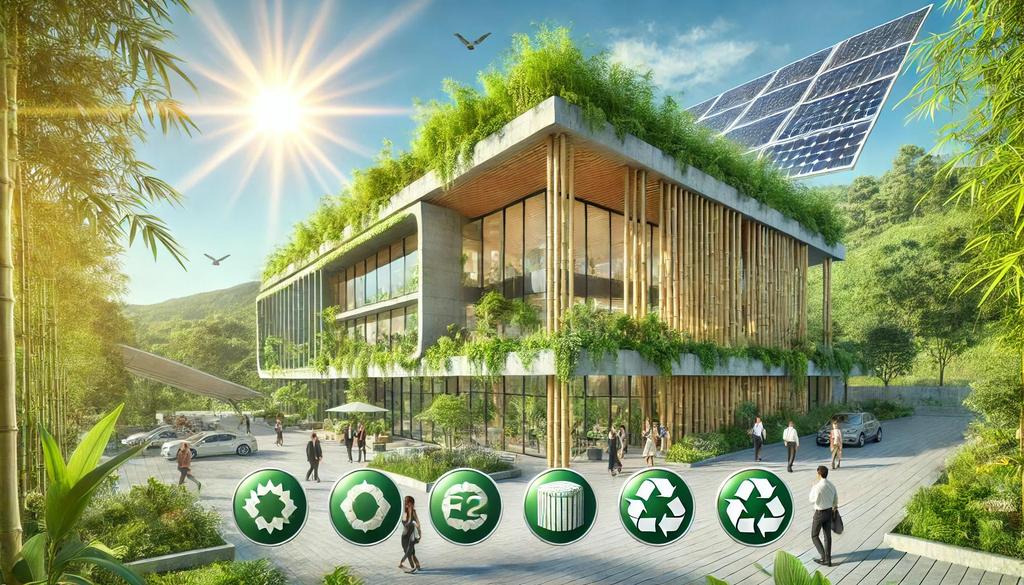
The construction industry is undergoing significant evolution with the introduction of sustainable materials such as bamboo, recycled steel, and green concrete. These innovations are leading to the development of eco-friendly buildings. Such structures effectively minimize environmental impact while maximizing durability and resource efficiency. The transition to these sustainable practices represents a crucial step toward responsible construction methods.
1. Recycled Steel: A Green Innovation
Steel, a fundamental component of construction, is undergoing a significant transformation toward sustainability. Recycled steel stands out as a revolutionary alternative in conventional practices.
The process of repurposing steel from outdated structures and products results in substantial reductions in energy consumption and carbon emissions. This transformation offers steel a renewed purpose, contributing positively to environmental efforts.
Consider practical examples such as Sydney’s Barangaroo project. This initiative achieved a remarkable 40% reduction in carbon emissions through the use of recycled steel. Such projects not only demonstrate the potential of recycled steel but also highlight its positive impact on the environment.
2. Low-Impact Slide Plates: Gentle Giants
Slide plates may not attract much attention when discussing construction materials, yet they play a critical role in reducing environmental impact.
Traditional slide plates often consume valuable resources, but low-impact alternatives are changing this narrative. These environmentally friendly materials offer impressive durability while promoting sustainability. However, achieving sustainability relies heavily on proper installation practices.
The installation of slide plates requires precision and attention to detail to ensure both stability and longevity in structures. Selecting sustainable practices involves choosing eco-conscious materials and employing expert installation techniques.
By committing to sustainable practices, it becomes possible to achieve durability without compromising eco-responsibility. Low-impact slide plates contribute to efficient and sustainable structures across various applications, including bridges and skyscrapers.

3. Bamboo: The Eco Warrior
Bamboo has transcended its reputation as a food source for pandas. It is now making significant strides in the construction industry due to its impressive strength, lightweight characteristics, and renewability—an ideal combination for sustainable building.
From elegant flooring to robust scaffolding, bamboo is taking center stage in innovative construction projects worldwide. Its remarkable flexibility and durability position it as a leading choice for eco-friendly building solutions. The emergence of bamboo as a champion for green construction is both surprising and commendable.
4. Hempcrete: Nature’s Marvel
Hemp extends far beyond its applications in CBD products. Hempcrete, a composite material combining hemp fibers and a lime-based binder, is becoming a sustainable substitute for conventional concrete.
Hempcrete creates walls that provide insulation during winter while effectively regulating indoor humidity levels. This innovative material offers a carbon-negative solution, absorbing more carbon dioxide than it releases into the atmosphere. Hempcrete delivers a multitude of benefits, making it a valuable option for eco-conscious construction practices.
5. Bioplastics: The Future Without Plastic
Plastic is widely known for its non-biodegradable nature and harmful impact on the environment. However, the potential to create plastics from renewable resources offers a promising alternative.
Bioplastics represent a new generation of environmentally friendly plastics materials composed of plant-based components such as corn starch, sugar cane, and vegetable oil. These bioplastics are renewable and biodegradable, requiring less energy for production compared to conventional plastics.
Additionally, bioplastics exhibit properties that closely resemble traditional plastics, making them suitable for diverse construction applications. The advancement of bioplastic technology may significantly contribute to the pursuit of a more sustainable, plastic-free future.
Final Thoughts: Sustainably Building the Future
This concludes a brief exploration of the realm of sustainable construction materials. Innovations such as recycled steel and Hempcrete are transforming the industry landscape. By selecting eco-friendly materials, stakeholders are not merely constructing buildings; they are establishing a legacy of sustainability.
Although the journey toward greener practices may be lengthy, the goal of creating a world where construction harmonizes with nature is highly rewarding. It is crucial to maintain momentum and make conscientious choices that benefit both the planet and future generations. Ultimately, the importance of a sustainable home cannot be overstated.


