
Bioengineered yeast producing herbal compounds represent a powerful alliance between ancient herbal wisdom and cutting-edge biotechnology in a world where science and tradition often intersect. For centuries, herbal medicine has been a cornerstone of health and healing, with remedies often passed down through generations. Plants and their extracts have played pivotal roles in various cultures worldwide, offering remedies for ailments and contributing to overall wellness.
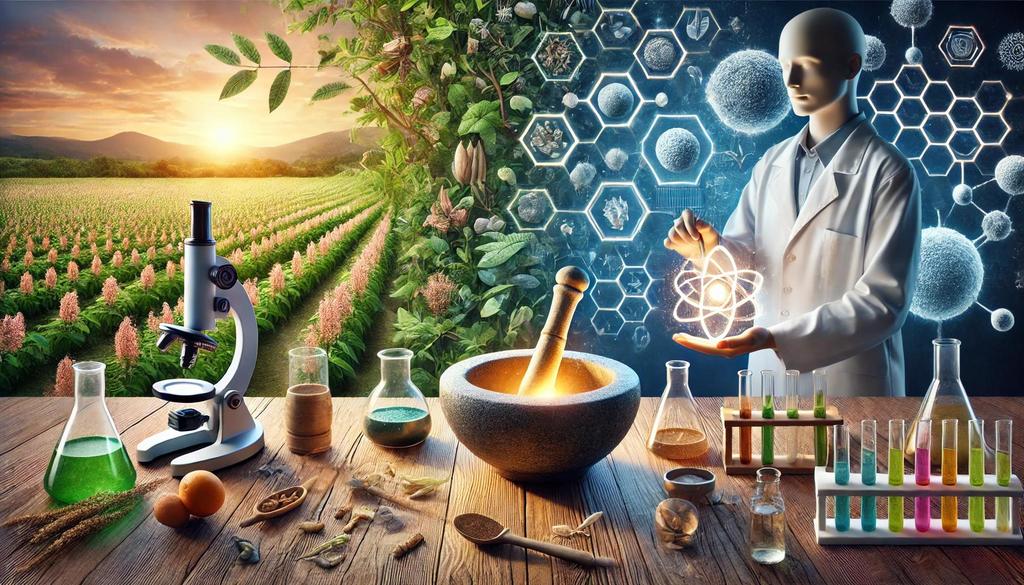
Intersection of Tradition and Technology
Today, as we stand at the nexus of tradition and technology, the dynamic field of biotechnology is reinventing how we produce these ancient remedies. Bioengineered yeast, for instance, is now being utilized to produce complex herbal compounds like artepillin C, overcoming historical challenges associated with sourcing these substances in nature. This innovative approach not only enhances the efficacy and accessibility of such compounds but also aligns with the growing demand for sustainable and reliable medicinal solutions.
An exciting era in healthcare begins with this impressive fusion of old and new, enhancing the benefits of herbal medicine through the precision and scalability of modern science.
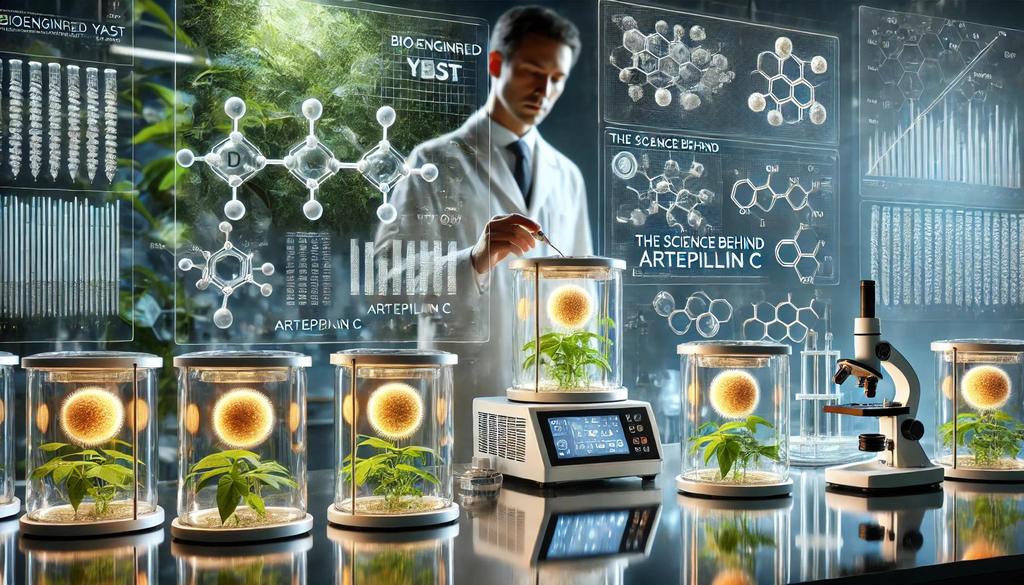
The Science Behind Bioengineered Yeast and Artepillin C
Understanding Artepillin C
Artepillin C is a standout compound, predominantly found in Brazilian green propolis and some plants from the Asteraceae family, such as Baccharis. It’s renowned for its potential health benefits, which include antimicrobial, antioxidant, anti-inflammatory, and anticancer properties. Despite its powerful qualities, sourcing artepillin C in substantial amounts has been a significant challenge. Traditionally, only small, inconsistent quantities are extracted from its natural sources, making its large-scale production economically unfeasible.
Thanks to advancements in biotechnology, researchers have now turned to bioengineering solutions to tackle this problem. The focus is on producing artepillin C using genetically modified yeast, which can be controlled and scaled up far more efficiently.
Bioengineering Yeast for Production
The innovative work conducted by Kobe University has placed bioengineered yeast in the spotlight. By manipulating a species of yeast known as Komagataella phaffii, scientists have successfully produced artepillin C at ten times the concentration previous methods could achieve. This strain of yeast is particularly suitable because it can grow at higher densities and doesn’t produce alcohol, which would limit the cell growth necessary for production.
The benefits of using this yeast extend beyond mere production volume. Komagataella phaffii is proficient at working with compounds like artepillin C, which is in the class of compounds called phenylpropanoids. It can also do well in conditions that are suitable for high-yield fermentation.
Overcoming Technical Challenges
Despite these advancements, engineering yeast to produce artepillin C involves overcoming several technical hurdles. One major task is optimizing the “molecular machinery” within the yeast cells to maximize the production of desired compounds while minimizing growth limitations. This entails adjusting enzymes and making sure the yeast’s biochemical pathways receive the correct precursors.
For instance, increasing the efficiency of the last chemical step by modifying the enzymes involved has been one fruitful approach. Scientists are looking into ways to change the transport proteins in yeast cells so that artepillin C can leave the cell more easily without losing other important compounds. This could lead to even higher yields.
These pioneering efforts suggest a broader potential; they could pave the way for producing various plant-derived compounds using similar microbial engineering techniques.

Microbial Biotechnology’s Role in Medicine
Harnessing Microorganisms for Drug Development
The story of microbial biotechnology is one of evolution—from ancient practices to cutting-edge science. Today, it plays a critical role in producing pharmaceuticals, leveraging microorganisms for their intrinsic ability to produce bioactive compounds. These include a vast array of drugs such as antibiotics, antifungal agents, and even immunosuppressants, which are indispensable in treating numerous diseases.
This capability stems from the microorganisms’ natural environment, where they have evolved mechanisms to produce substances that can inhibit other microbes, effectively acting as natural antibiotics. By harnessing these properties, scientists can produce effective drugs that combat various human pathogens.
The Synergy of Genetic Engineering and Microbial Tools
One of the most exciting areas in modern medicine is the application of genetic engineering alongside microbial biotechnology. Technologies like CRISPR-Cas systems have been revolutionary for genome editing. Originally a bacterial defense mechanism, CRISPR now allows researchers to make precise changes to DNA, which is crucial for developing new therapies and enhancing the production capacities of microorganisms.
A common molecular biology method called polymerase chain reaction (PCR) uses DNA polymerases that can work at high temperatures and come from extremophile microorganisms. This shows how these microbes can be used to change genes. PCR is fundamental in diagnoses and research, allowing for the amplification of DNA sequences with high accuracy.
Future Prospects: Personalized Medicine and Beyond
Microbial biotechnology’s integration into medical science not only introduces new drugs but also paves the way for individualized treatments in the future. Personalized medicine, utilizing microbial tools and engineered organisms, is becoming a reality, offering targeted treatments such as gene therapies and oncolytic viruses designed to attack cancer cells. This evolution signifies the transformative potential of merging biological systems with precise genetic engineering, paving the way for highly specific and effective medical interventions.
Microbial biotechnology and genetic engineering serve as crucial elements in modern medicine. They play a pivotal role in producing essential bioactive compounds and creating innovative genetic tools. These fields contribute significantly to therapeutic advancements, addressing pressing medical challenges and promoting personalized healthcare solutions. Their continued development promises further breakthroughs in medical innovation.
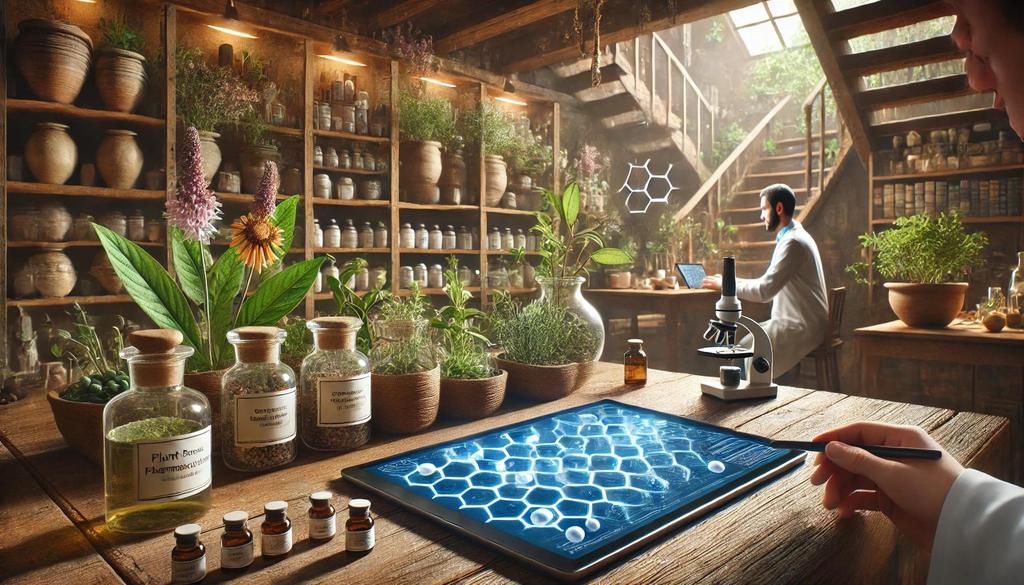
Plant-Derived Pharmaceuticals: Traditional Wisdom Meets Modern Science
The Value of Herbal Active Ingredients
Plants have long served as a cornerstone in the development of pharmaceuticals. Many of today’s medicines, from simple aspirin to complex chemotherapy agents, trace their roots to compounds initially derived from plants. Herbal medicine has deeply ingrained this connection, harnessing the healing properties of specific plants for centuries.
For instance, the compound ursolic acid, found in fruit peels, has shown potential in reversing serious conditions like multiple sclerosis in experimental settings. Similarly, coconut oil, with its beneficial fatty acids, impacts neurological diseases positively and is known to enhance heart health by increasing healthy cholesterol levels. These discoveries highlight the importance of incorporating these natural ingredients into modern medicine.
Also, active ingredients in cannabis, like cannabigerol (CBG), have amazing antibacterial properties, even being able to fight the notorious superbug methicillin-resistant Staphylococcus aureus (MRSA). This highlights the vast potential for plant-derived substances to offer innovative solutions in the fight against resistant pathogens.
Integrating Traditional Chinese Medicine into Modern Protocols
Traditional Chinese Medicine (TCM) offers a wealth of knowledge in using plants for healing. TCM views health maintenance and disease prevention as part and parcel of a balanced lifestyle, emphasizing nutrition, medicinal herbs, and physical activities such as Tai Chi to foster well-being.
Ginseng, for example, bridges the gap between food and medicine, providing various health benefits and underlying the TCM philosophy that food itself can be medicinal. Many TCM practices are gaining traction and validation from modern scientific studies, linking traditional wisdom to contemporary health solutions.
The preventive aspect of TCM complements modern pharmaceutical approaches, where a compound’s preventive capabilities are as crucial as its curative potential. This synergy not only enhances the understanding of plant-based medicines but also expands their application in modern healthcare, allowing for a harmonious blend of old and new remedies.

Future Implications and Innovations in Micro-bioengineering
Expanding the Portfolio of Bio-Engineered Compounds
Bioengineered compounds, including those derived from yeast, have the potential to usher in a new era in medicine. The success of bioengineered artepillin C marks the beginning of a broader mission to synthesize a range of plant-derived medicines using microbes. By expanding the capabilities of bioengineered organisms, we can significantly increase the availability of critical compounds that are otherwise rare in nature.
Real-World Applications and Accessibility
The implications for these advancements are enormous. Biotechnology’s ongoing refinement of these processes enables the production of compounds from natural sources that were previously challenging and expensive, thereby increasing their accessibility and affordability for the global population. This not only promises to democratize access to advanced herbal medicine but also revolutionizes pharmaceutical production by reducing reliance on raw plant material.
Personalized Medicine and the Promise of Genetic Engineering
In the realm of personalized medicine, genetic engineering is breaking new ground. By tailoring treatments specifically to individual genetic profiles, scientists can target complex diseases more effectively, reducing side effects and increasing therapeutic efficacy. Bioengineered organisms can serve as personalized interventions in the development of preventive treatments aimed at preventing disease onset.
The Road Ahead in Therapeutic Innovations
On the horizon are therapies that harness the natural immune properties of bioengineered microorganisms to fight diseases like cancer. By programming bacteria to deliver drugs directly to tumor sites, this approach not only promises to enhance treatment effectiveness but also reduce collateral damage to healthy tissues. Such precision in delivery and treatment heralds a future where healthcare is as personalized as it is advanced.
Synthesis of plant-based pharmaceuticals and advancements in bioengineering are reshaping the way we think about medicine. By bridging ancient practices with innovative technologies, we embark on a journey that leverages nature’s wisdom with humanity’s scientific prowess, opening doors to unprecedented levels of healing and health maintenance.

The Path Ahead for Herbal Medicines and Biotechnology
Exploring the ever-expanding frontier of herbal medicines, bolstered by biotechnological advances, reveals a symphony rather than a dialogue between tradition and technology. The journey of transforming bioengineered yeast into a microfactory for producing essential herbal compounds demonstrates not only the potential of modern science but also a deep respect for the wisdom inherent in natural remedies.
The advancements we’ve witnessed, from producing artepillin C to pioneering personalized medicine using genetic tools, underscore a transformative potential that goes beyond the laboratory. This shift is not merely about recreating traditional remedies on a larger scale—it’s about unlocking new possibilities for treating diseases with unparalleled precision and decreasing dependency on just natural harvests.
Moreover, bridging this gap through modern science provides an opportunity to rethink global health issues, promoting the democratization of medicine by making effective treatments available to a broader audience. As more plant-derived pharmaceuticals become accessible, thanks to innovations in bioengineering, we are also moving toward more sustainable practices by significantly reducing the environmental footprint typically associated with traditional extraction methods.
Join the Revolution: Embrace the Synergy of Heritage and Innovation in Modern Healthcare
To all readers—your curiosity and openness to embracing both heritage and innovation are vital as we pave the way forward. Stay informed about breakthroughs in bioengineering and herbal medicine, support sustainable practices in healthcare, and consider how traditional remedies can play a part in your wellness journey. By blending the wisdom of the past with the technological tools of today, each of us has a role to play in shaping the future of medicine.
Whether you’re a proponent of herbal remedies, a supporter of biotechnological innovations, or simply someone interested in the evolving landscape of healthcare, your engagement can drive positive change and encourage further exploration into the synergistic potential of this unique blend.
Join the dialogue, advocate for innovation with responsibility, and let’s together celebrate this unique journey at the intersection of tradition and technology.


