
Can homes and buildings be designed to withstand hurricanes? In hurricane-prone areas, strong winds and heavy rain can cause severe damage.
Many people lose their homes and businesses. Traditional buildings often fail to handle extreme weather. But there is hope. Sustainable architecture offers solutions that increase safety and reduce environmental harm.
These designs use strong materials, smart planning, and renewable energy. They help communities recover faster after storms. This article explores the role of sustainable architecture in hurricane-prone areas and how it makes buildings safer and more resilient.

Understanding Sustainable Architecture
Sustainable architecture focuses on designing buildings that last. It uses materials and methods that reduce environmental impact. These designs also help save energy and resources. In hurricane-prone areas, sustainable buildings must be strong and flexible.
Sustainable buildings use materials like reinforced concrete, metal roofs, and impact-resistant glass. These materials help structures resist high winds and flying debris. Architects also design buildings with aerodynamic shapes. This reduces wind pressure on walls and roofs.
Elevating homes helps prevent flood damage. Using water-resistant materials protects against mold and decay. Energy efficiency is another benefit of sustainable architecture. Many buildings include:
- solar panels
- natural ventilation
- energy-saving appliances
These features lower energy use and make homes self-sufficient. Green roofs and rainwater collection systems reduce water waste.
Sustainable architecture not only protects people but also helps the environment. It reduces carbon footprints and saves natural resources. In hurricane-prone areas, this approach makes communities stronger and safer.

Innovative Hurricane-Resistant Designs
New designs help buildings survive hurricanes. Architects and engineers create structures that can handle strong winds and flooding.
One innovative idea is the dome-shaped house. These homes have curved surfaces that allow wind to move around them; this reduces damage. Another design is the floating home. These houses rise with floodwaters instead of being destroyed; some are built on platforms that adjust to water levels.
Engineers also use strong, flexible materials. Cross-laminated timber (CLT) is one example. It is durable and resists cracking under pressure. Impact-resistant windows protect homes from flying debris. Storm shutters add extra protection.
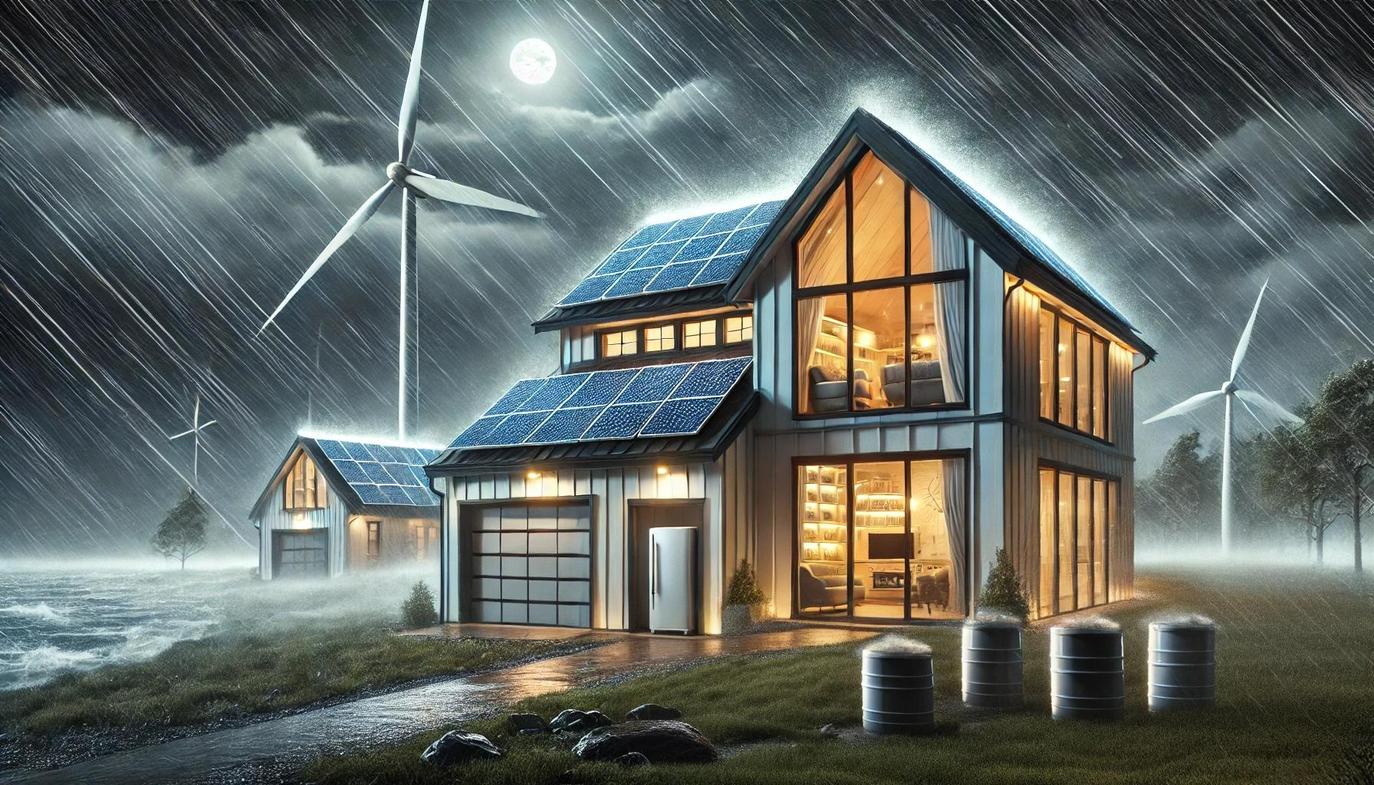
Some designs include emergency power sources. Solar panels with battery storage keep homes powered during blackouts. Wind turbines provide extra energy. These systems help people stay safe after storms.
Many communities in the most hurricane-susceptible areas in Florida are embracing these designs. They are building stronger homes and businesses. This improves safety and reduces rebuilding costs. By using innovative designs, communities can prepare for future storms and recover faster.

Enhancing Resilience Through Sustainable Materials
The right materials make buildings stronger. Sustainable materials help homes last longer and resist storm damage.
Reinforced concrete is a fantastic choice. It can withstand strong winds and flying debris. It also resists water damage.
Builders also use fiber-reinforced plastic (FRP). This material is lightweight but very strong. It does not rot or rust, making it ideal for coastal areas.
Metal roofs are another beneficial option. They are durable and wind-resistant. Unlike traditional shingles, they do not easily blow away. Some roofs also have special coatings that reflect heat. This keeps homes cool and reduces energy use.
Sustainable insulation materials, like recycled denim and spray foam, add extra protection. They keep homes comfortable and reduce energy bills. Good insulation also prevents mold and moisture buildup after storms.
Using these materials helps communities recover faster. Homeowners spend less money on repairs. Buildings last longer, reducing waste and environmental damage.
Smart Building Layouts for Hurricane-Prone Areas
The way a building is designed matters. Smart layouts improve safety and energy efficiency.
Open floor plans allow wind to pass through buildings. This reduces pressure and lowers the risk of collapse. Buildings with rounded edges also resist wind damage better than box-shaped structures.
Homes built on stilts help prevent flood damage. Water can pass underneath instead of pushing against walls. Elevated buildings also stay dry when storm surges hit.
Some architects design homes with breakaway walls. These walls collapse safely under pressure without harming the structure.
Positioning is also important. Buildings should face away from strong winds. Trees and shrubs act as natural barriers, reducing wind speed. Proper landscaping helps prevent soil erosion and water buildup.
Inside, rooms should be designed for safety. Bathrooms and closets can serve as storm shelters. Using reinforced doors and walls makes these areas even stronger.
Energy Independence During Storms
Power outages are common during hurricanes. Sustainable homes can stay powered without relying on the grid.
Solar panels provide clean energy. During the day, they generate electricity. Some homes use battery storage to save energy for nighttime. This ensures power even when the main grid is down.
Wind turbines are another excellent option. They work well in coastal areas where wind speeds are high. Small home turbines can generate enough power for basic needs.
Backup generators that run on biofuel or natural gas offer extra security. They keep refrigerators, medical devices, and lights working. Smart energy systems also help. They automatically switch to stored power when needed.
Reducing energy use is also important. LED lighting, energy-efficient appliances, and proper insulation lower power needs. This makes sustainable homes more self-sufficient.
Having energy independence gives homeowners peace of mind. They do not have to wait for power companies to restore electricity.
Sustainable Water Management
Hurricanes bring heavy rain and flooding. Smart water management protects homes and the environment.
Rainwater collection systems help store water. Large tanks capture rain from roofs. This water can be used for cleaning, irrigation, and flushing toilets. It reduces the strain on city water supplies.
Permeable pavement helps prevent flooding. Instead of pooling on streets, water soaks into the ground. This reduces runoff and prevents erosion. Green roofs absorb rain and keep buildings cool.
Smart drainage systems also help. Swales and retention ponds collect excess water. They direct it safely away from buildings. Well-planned drainage reduces flood damage and improves water quality.
Sustainable plumbing also plays a role. Low-flow fixtures and dual-flush toilets save water. These features reduce waste and help communities conserve resources.

Consider Sustainable Architecture if You Live in Hurricane-Prone Areas
Sustainable architecture is key to protecting hurricane-prone areas. Strong materials, smart designs, and renewable energy make buildings safer. These solutions help communities recover faster and reduce long-term costs.
New innovations are making homes stronger and more self-sufficient. From dome-shaped houses to energy-independent systems, these designs offer hope. Sustainable water management also plays a big role in reducing flood damage.
By embracing these solutions, communities can prepare for future storms and build a safer future.


