
It’s hard to comprehend how much plastic is in the ocean because we can’t see most of it. The Ellen MacArthur Foundation and the World Economic Forum claim that there could be more plastic than fish in the sea by mid-century. It’s a difficult prediction to prove because we can’t count all the fish in the sea. However, we can calculate how much plastic is being produced worldwide. According to a PlasticsEurope report, that number was about 369 million tons in 2017 and 384 million tons in 2018. So, the global production of virgin plastic has increased year by year and will likely continue to unless we do something about it.
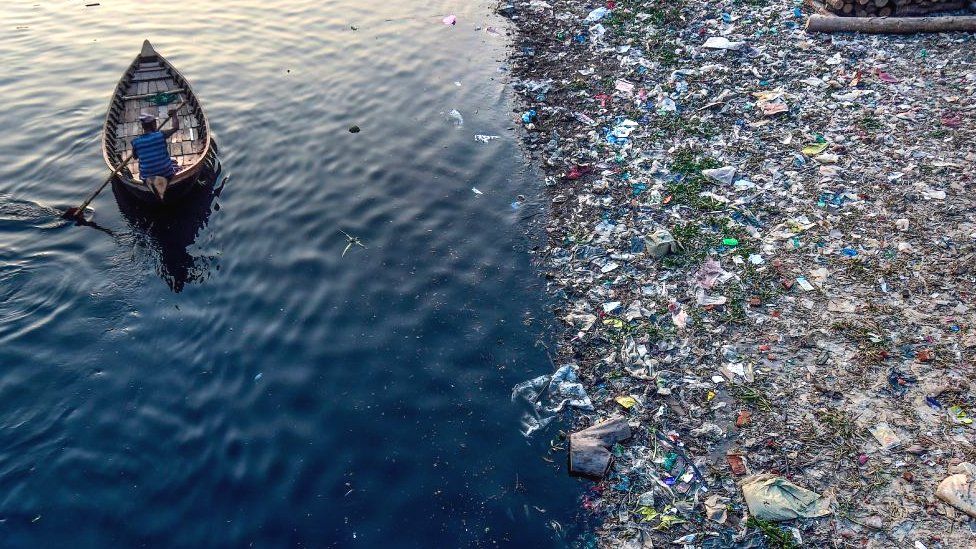
The United Nations Environment Program warns that plastic waste pollution has reached epidemic proportions and is now a significant environmental problem of global concern. It estimates that the oceans contain 100 million tons of plastic and rising. This catastrophe happens because our economies are linear and, thus, not designed to prioritize recapture and reuse. So much plastic is being consumed that most recycling systems aren’t even equipped to handle the volume.
The Smithsonian estimates that only 9% of plastics are appropriately recycled, and the rest goes to incineration, landfill, or ends up in the environment. Land-based garbage ends up in storm drains and sewers, then flowing down rivers, streams, and canals until it makes its way into the ocean, where it directly affects all life around it. For example, it harms and kills marine life or breaks down into microplastics that end up in our food supply via marine life, mistaking it for food. Furthermore, a 2020 study found that plastic pollution increases ocean acidification.
How The Fashion Industry Can Help
However, all hope isn’t lost. If we turn to all the plastic floating in the ocean as a resource and stop making it new, then we could, slowly but surely, start fixing this dreadful situation. And many companies have turned to this solution, producing all sorts of great products made from recycled ocean plastics like bottles and fishing nets. These stewardly brands collect and manufacture products from the plastics already in our environment instead of virgin plastic.
A big player in this game is the fashion industry – as it should be because clothing takes a tremendous toll on the environment. The Global Citizen said:
Eighty billion pieces of new clothing are consumed around the world each year, with 14 million tons in the US alone being thrown out annually. That’s approximately 80 pounds per person. Eighty-four percent of this clothing ends up in landfills or incinerators, where it breaks down, emits greenhouse gases, and releases chemicals into the ground and atmosphere.
Thank goodness that more clothing brands are taking the initiative to lessen their environmental impact by producing eco-friendly fashion! But it’s up to consumers too. The more people buy ethical products, the more companies will turn to do the right thing. So, to help you pick the right clothes and accessories, here’s a list of a few brands making a difference for our oceans. Of course, there are many other great ones out there, too, so let this be a stepping stone toward the kind of products you should keep your eyes out for when you need something.
Sea Threads
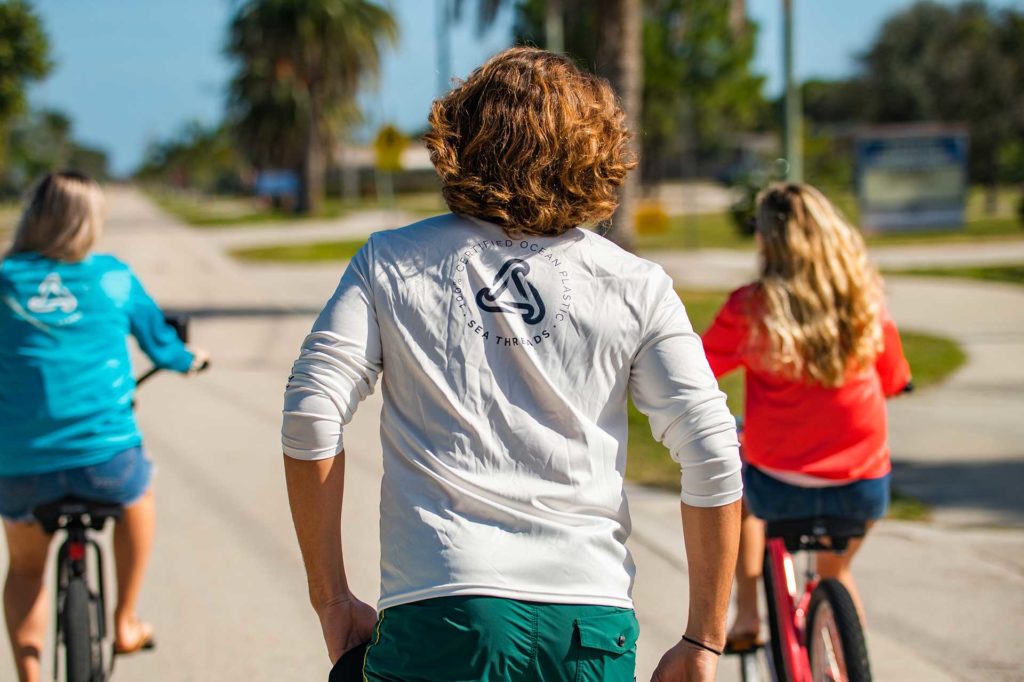
Sea Threads is a new clothing venture making performance wear from 100% Certified Ocean. Each shirt consists of one pound of ocean plastic!
Dylan Cross, Sea Threads CEO, believes the ocean plastic crisis is at the top of the global problems list. He said:
There are many environmental issues that go hand in hand: global warming, ocean acidification, and ocean plastic. I put those all into one group because they all relate to each other and are interconnected. Not to mention that the ocean is the center of all life, so anything that potentially threatens it is a huge deal.
My motto is: there’s already so much plastic out there; why are we making more? There’s so much we can be pulling from. It’s already a resource; we just have to get it.
A lot of companies out there are using post-consumer plastic but marketing it with images of a seagull wrapped in plastic. But then, the fine print says it’s a post-consumer product. That’s false marketing, in my view. Companies sell millions of dollars of bracelets or boardshorts, and a little research shows that it isn’t ocean-plastic. Instead, it’s plastic that was already plastic headed in the right direction because it was already recycled. Don’t get me wrong: recycling is great and post-consumer waste is great. It’s what you put into the recycling bin, but it’s not what you see on the beach.
Even though the material is all the same, down to the chemical makeup, where it comes from makes a big difference.
Sea Threads collaborates with local and governmental organizations along Indonesia’s coastlines in areas that lack proper waste management to clean up the shorelines and seas. 60% of ocean plastic pollution originates from this region. It then uses the plastics found to create its products.
Labo Mono
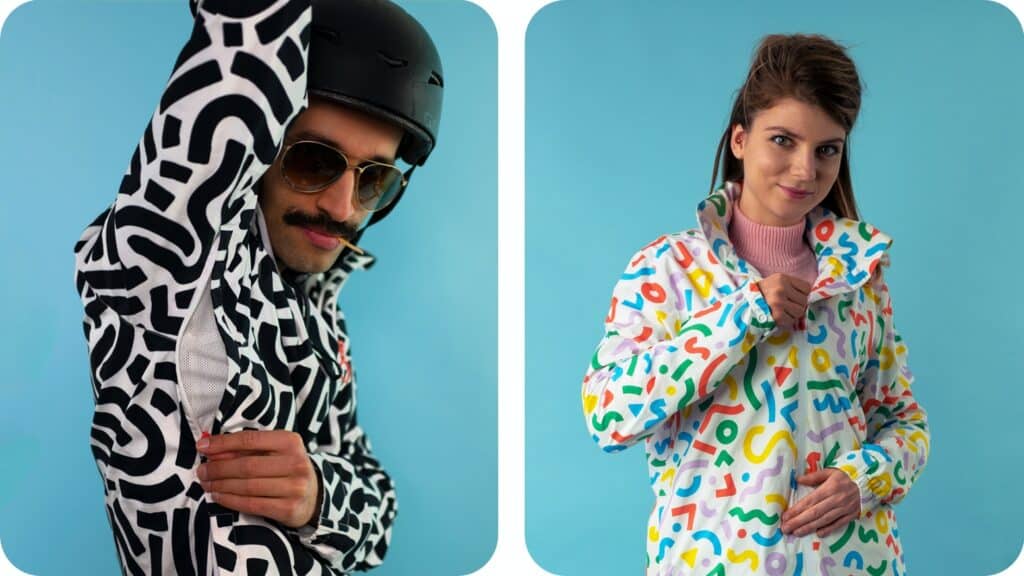
Labo Mono makes waterproof jackets that are Peta approved and made from around 30 recycled plastic bottles each. The brand takes its efforts a step further by including a free repair kit with material trimmings and allowing customers to return an old jacket for a discount on another jacket. That way, they can make sure the old jackets are recycled.
Fair Harbor
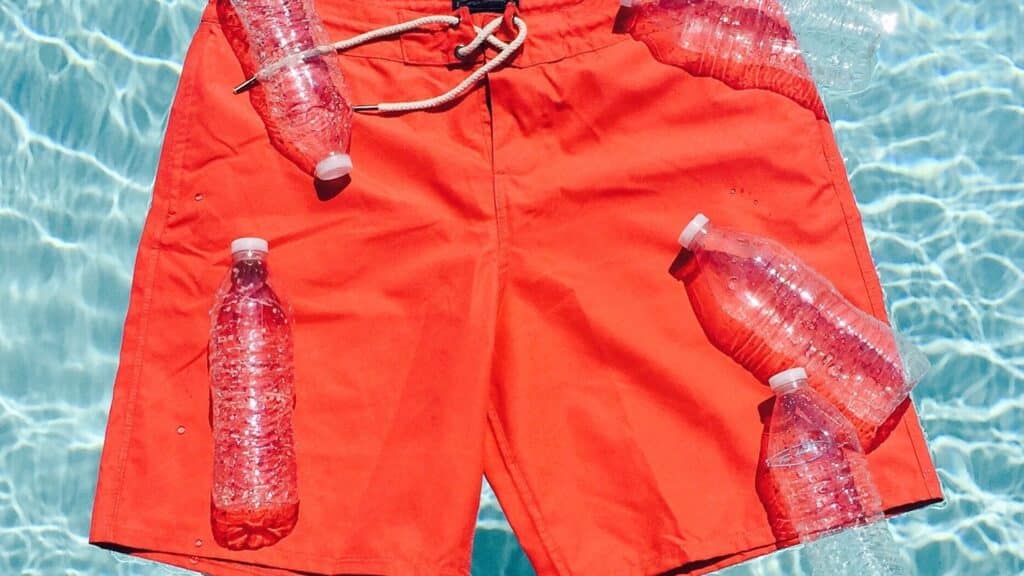
Fair Harbor is a New York-based company that prides itself on producing original boardshorts, each made from 11 plastic bottles gathered from the ocean. It’s swimwear that cleans the sea you’re going to wear them in!
United By Blue
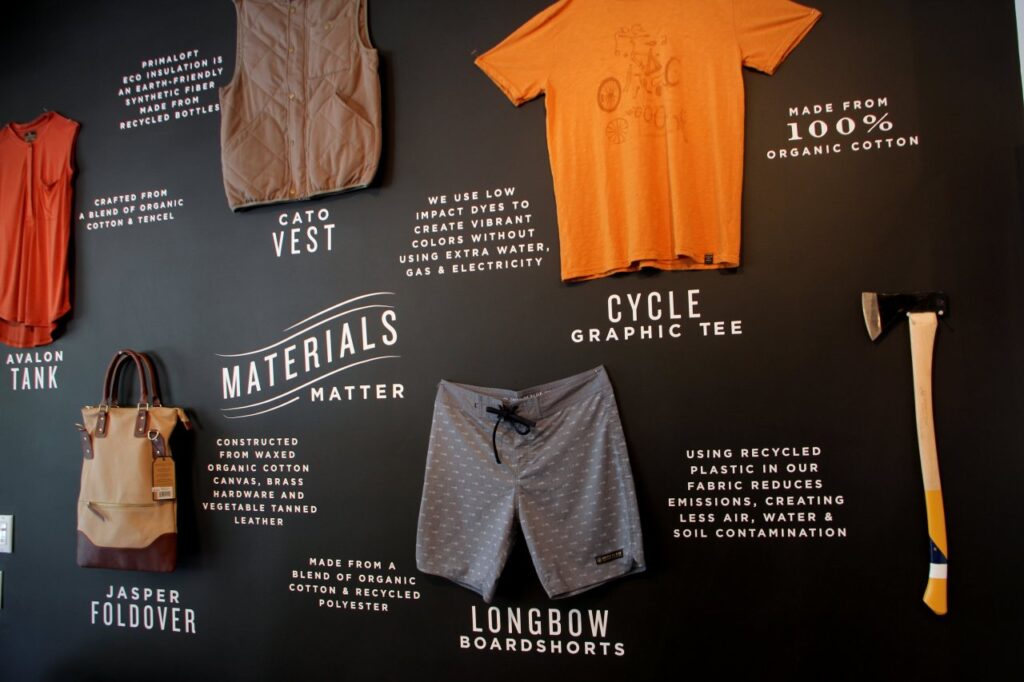
United By Blue is another brand making boardshorts that helps clean up ocean plastic. It plucks a pound of trash for each item sold. It has already removed over 1.5 million pounds of garbage from oceans and coastlines through organized cleanup initiatives open to all.
Batoko

Batoko makes swimsuits for women made from collected ocean waste. It has already recycled the equivalent weight of 220,000 plastic bottles. The bold designs are printed onto the fabrics using non-toxic inks. It even packages and delivers orders to customers in compostable bags.
Girlfriend Collective
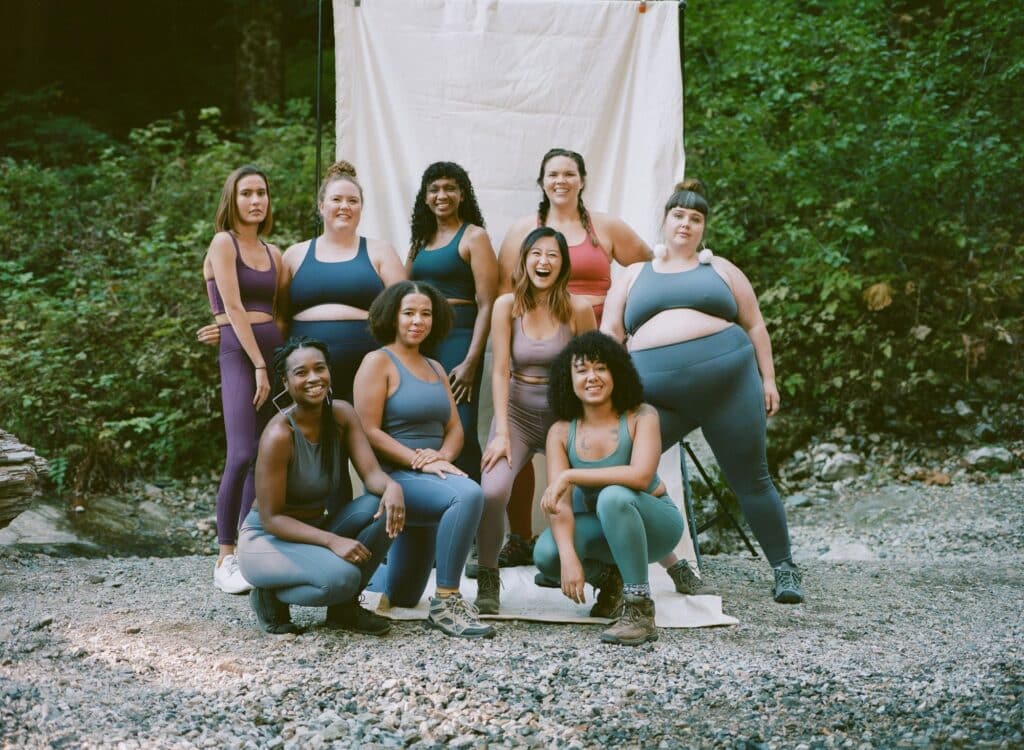
Girlfriend Collective is an athleisure company making clothing from recycled materials, include plastic bottles recovered from the sea. Their original leggings are made from 25 recycled water bottles each, and its latest LITE collection is made from recycled fishing nets.
Horizon Athletic

Horizon Athletic also makes leggings from abandoned fishing nets. It has specially designed “compression leggings” made for medium to high impact exercise – they sport a high waist fit so they won’t slip down, no matter what you do.
KARUN
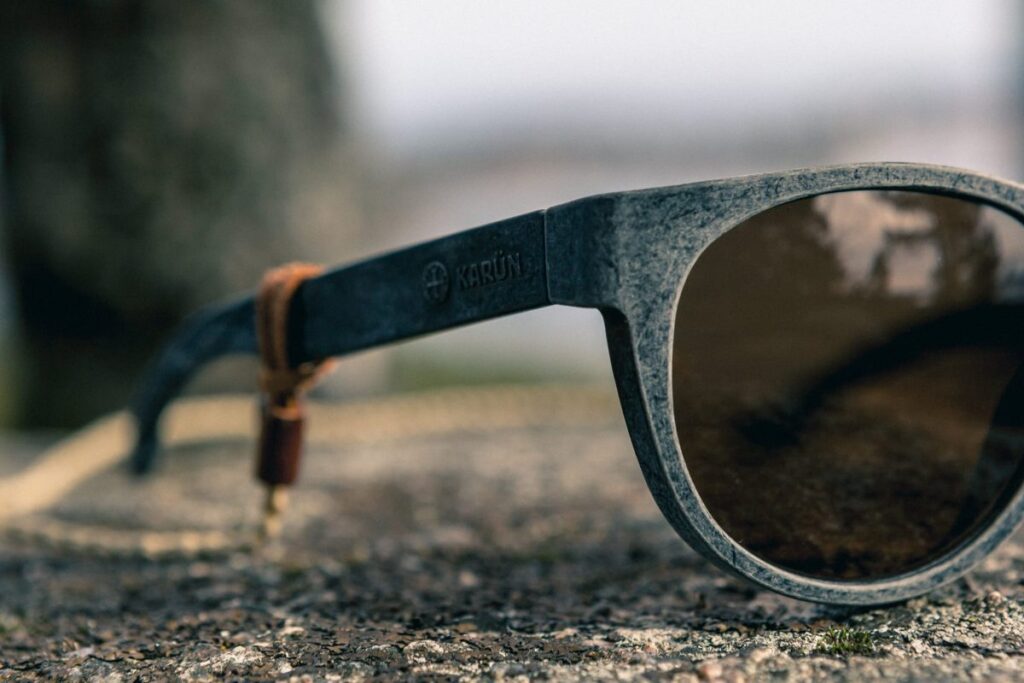
KARUN makes sunglasses out of reclaimed fishing nets and wood from fallen Chilean oak trees. It also uses cotton and leather waste from Patagonia to make the straps for their glasses.
B Corporation Bureo
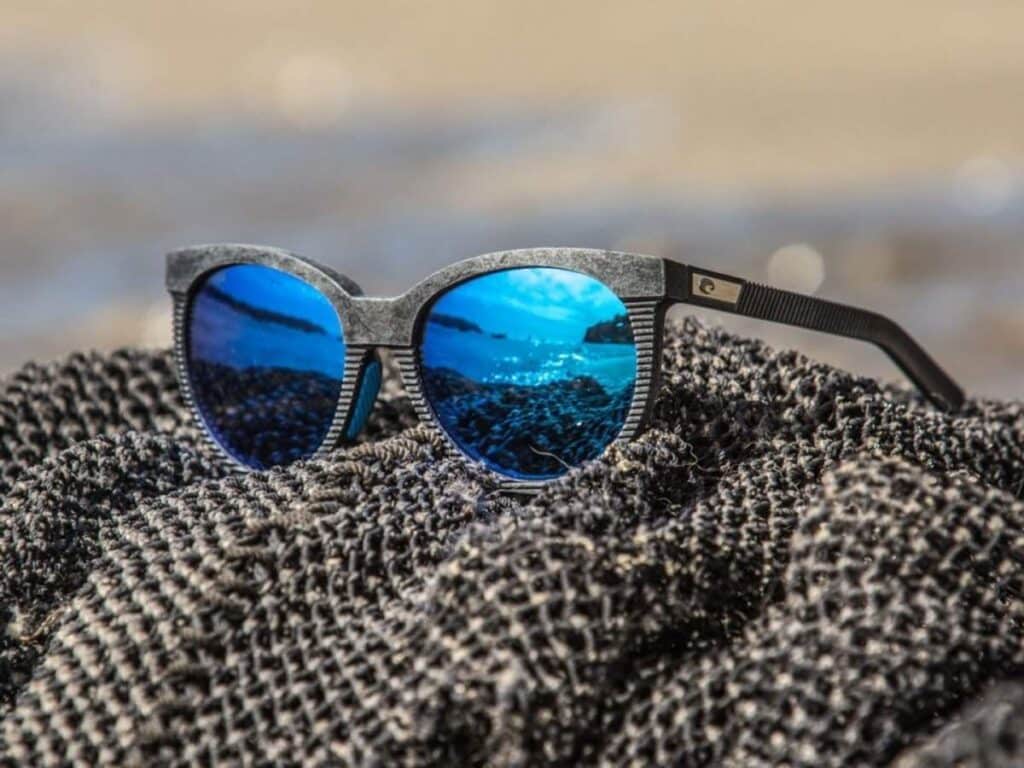
Kevin Ahearn and Ben Kneppers founded B Corporation Bureo in 2013 to evoke positive solutions to the environmental crises our oceans face. Bureo makes its products using retired and derelict fishing nets recovered from the Chilean coast.
4Oceans
Alex Schulze and Andrew Cooper, the founders of 4Oceans, were on a surf trip in Bali when they saw first-hand fishing boats heading out to sea, pushing through a shoreline so strewn with the trash that the water was no longer visible. This sight inspired them to remove as much of the trash as possible. Two years later, they had assembled a team and removed over four million pounds of trash from the ocean and its coastlines. They use the plastic collected to make bracelets. For each bracelet sold, they pledge to pull one pound of plastic from the beautiful environment.
In Conclusion
These companies making a difference are just the tip of the iceberg. More and more pop up by the day. And while they’re all doing a wonderful thing, there is one downside. Polyester microfibers shed in the washer, making their way into the ocean due to a lack of screening devices. Therefore, it’s questionable if creating clothing out of recycled plastic waste is helping the environment after all. Fortunately, there are ways to filter your laundry water of microplastics! PlanetCare has developed special filters that are designed to catch microfibers shedding from clothes during washing and drying.


