
Did you know, that every time you wash your clothes you are polluting the environment with plastic? All synthetic clothing release microfibers – a form of microplastic – every single time you do laundry. These microscopic fibers have a negative impact on the planet and all living things on it, including us. Since it’s almost impossible to avoid it, (unless you throw away all your clothes that are synthetic and replace them with 100% natural materials) we will review ways to reduce the amount of microfibers you produce instead.
So what exactly is a microfiber and what is synthetic clothing?
Microfibers are synthetic fibers derived from petroleum that are so small that you cannot see it with the naked eye and filters can’t even capture them. I’m not talking about microsuede fabric, which is a microfiber fabric used to clean things like picking up dirt, absorbing liquid, and removing makeup, although, they release microfibers when washed as well. But, what I’ll be discussing are the microfibers coming from the clothing you wear every day – the microfibers as pollutants.
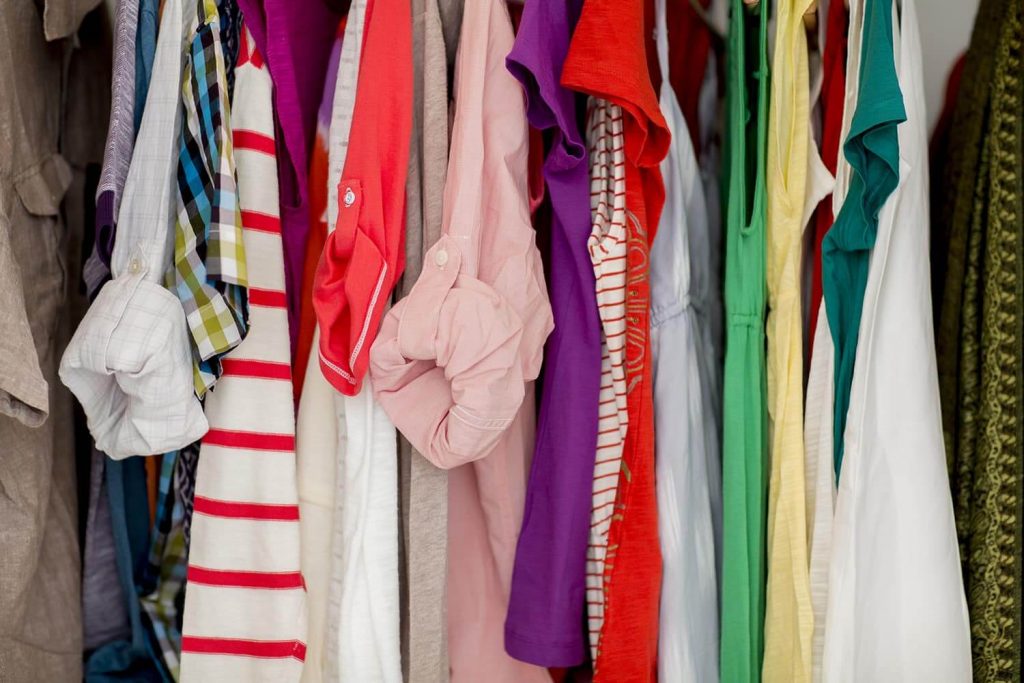 Synthetic clothing is items made with all or part synthetic material – for instance, polyester, nylon, and spandex (for example, fleece, trousers, blouses, socks, and even yoga pants). About 60% of clothing globally is made of synthetic materials, says Vox. According to a study published by the journal Environmental Science & Technology, and as reported by the BBC, researchers found that one item of clothing can produce more than 1,900 microfibers in just one wash cycle. That means that most of us are letting thousands of microfibers into oceans and rivers on a weekly basis!
Microfibers are too small to be filtered out by waste treatment plants, so they end up in our waterways and oceans. These minuscule fibers travel through water pipes and enter oceans and rivers, where they are often consumed by sea animals and pollute the water, explained the Marine Debris Program. The scary part is, apart from plastic killing marine life, we humans drink water polluted with these microfibers and eat fish who have them in their bodies. Plastic fibers are now showing up in fish and shellfish sold in California and Indonesia for human consumption. And one paper showed that microfibers are responsible for 85% of shoreline pollution across the globe.
Once these fibers get into the local river and beyond, “they act like sponges, sucking up other pollutants around them,” explains The Story of Stuff Project, which is raising awareness and seeking solutions to this issue. “They’re like little toxic bombs full of motor oil, pesticides, and industrial chemicals that end up in the bellies of fish and eventually in the bellies of us. It’s gross. It’s already estimated there are 1.4 million trillion in our oceans. That’s like 200 million microfibers for every person on the planet!”
There are a few ways to prevent your laundry from sending microfibers into the water supply. The Plastic Pollution Coalition and Green Matters provide these simple ways to stop microfiber pollution now:
- Watch The Story of Stuff’s microfiber movie to learn about the issue
- Wash synthetic clothes less frequently and for a shorter duration.
- Fill up your washing machine. Washing a full load results in less friction between the clothes and fewer fibers released.
- Consider switching to liquid laundry detergent. Laundry powder “scrubs” and loosens more microfibers.
- Use a colder wash setting. Higher temperature can damage clothes and release more fibers.
- Dry spin clothes at low revs. Higher revolutions increase the friction between the clothes.
- When you clean out your dryer, place lint in the trash instead of washing it down the drain.
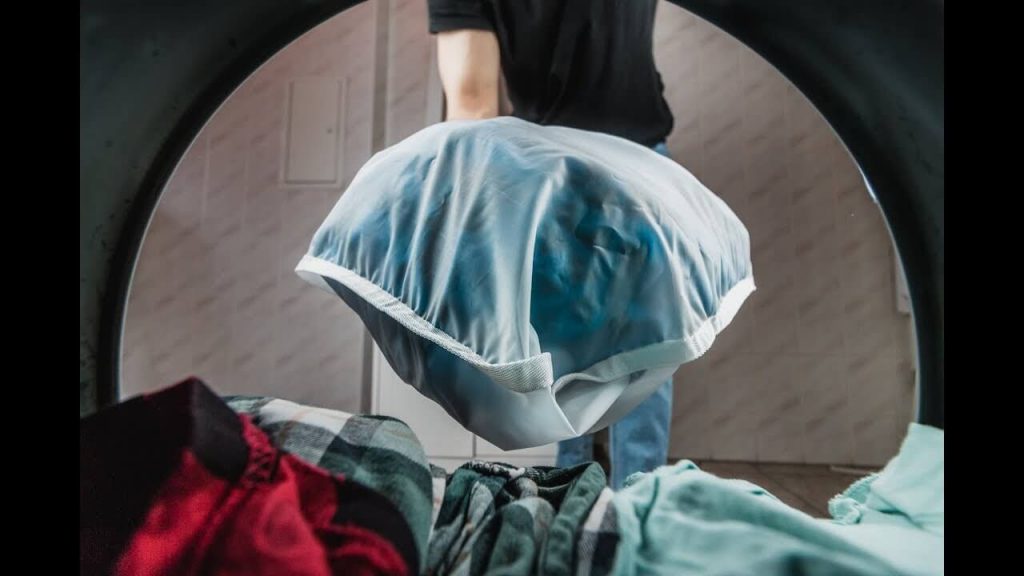
- Consider purchasing a Guppyfriend wash bag. In tests, the bag captured 99% of fibers released in the washing process. The bags will soon be available for purchase at Patagonia for $20-30. The Guppyfriend wash bag traps fiber inside the bag which can then be removed by hand and placed in the trash. A German research institute found that when using a Guppyfriend, fabrics actually shed 75 to 86% fewer fibers.
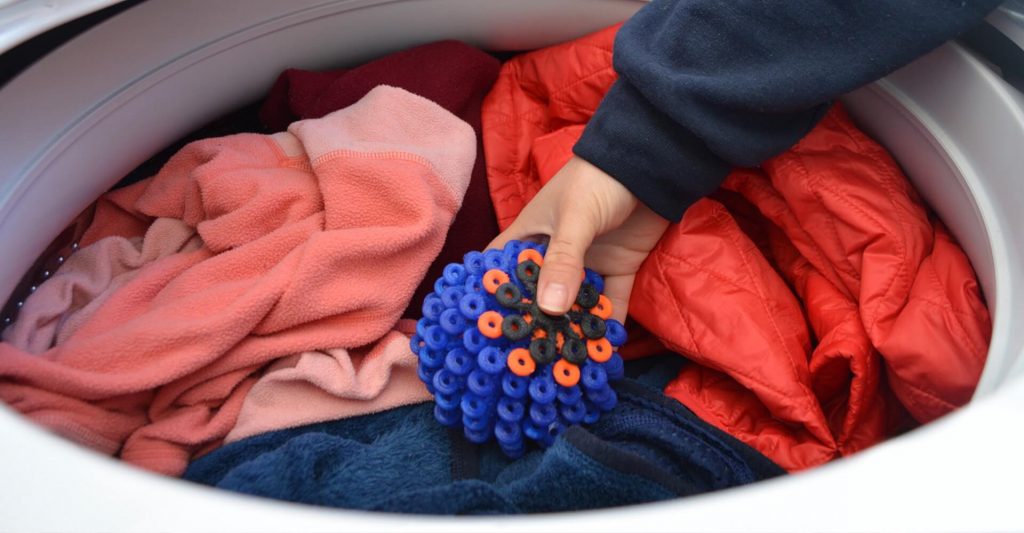
- Another device that will catch microfibers in your washing machine is Cora Ball, a hive-like ball made of recycled plastic that you put directly in the washing machine with your clothing. A study found that Cora Ball captures around 26% of microfibers.
- Purchase a washing machine lint filter. These filters require more of an investment, but they will benefit your septic system and the environment.
- Speak up and tell clothing designers to choose natural fabrics that aren’t prone to shedding. Sign the petition here!
- Tell your friends and family about microfiber pollution.
- Avoid purchasing cheaply-made, “fast fashion” clothes, whenever possible.
- Buy clothes made from natural fibers such as cotton, linen, and wool. Natural fibers will eventually break down in the environment. Plastic fibers will never go away.
In the end, we can only do our best and hope the big companies making these synthetic clothes in the first place change their ways. As MNN said:
There’s no simple solution to our plastics problem, whether we’re talking microfibers or single-use plastics or the Great Pacific Garbage Patch. Dealing with any of it will require time, money, ingenuity, individual behavior change and — toughest of all — getting large companies to change their business models. Because right now, the capitalist structure that we all live within requires constant growth for every company, and the faster the growth, the better. So, the more plastic we use, the more stuff we consume, the better for financial bottom lines — even if it’s worse for our health and the health of the planet.


