
All you have to do to be a part of the fight against COVID-19 – the virus causing the coronavirus pandemic – is follow official advice about social distancing and self-isolation, wash your hands properly, and wear a mask when you go out, (so you don’t spread the virus to others in case you are infected but don’t realize it yet). However, now there is another way you can help if you want to go above and beyond, and it’s super simple.
There is a scientific research project called Folding@home, which uses people’s home or office spare computer processing resources to help with its research. Anybody in the world can download and install the program and just leave their device on – and that’s all they’d have to do to help contribute to the research!

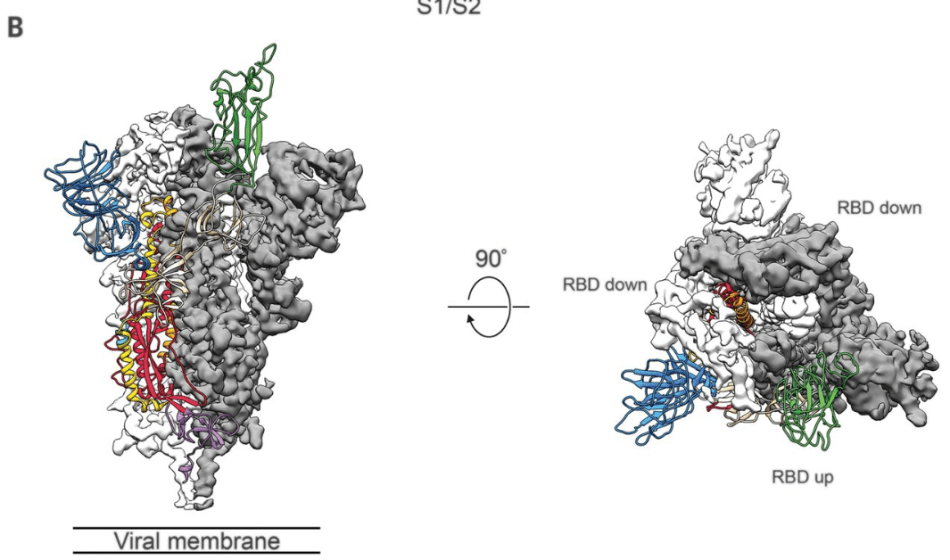
Folding@home, led by Dr. Greg Bowman of Washington University, works on many studies, but its latest target is COVID-19. It uses the distributed computing resources from people all over the planet to simulate protein folding – which is the process by which proteins gain their real-world 3D form. The resulting three-dimensional shape of a protein is typically what determines which of the many possible functions it will perform – for example, if it will help break down food or become a strand of hair.
Folding@home explained in a statement:
Our specialty is in using computer simulations to understand proteins’ moving parts. Watching how the atoms in a protein move relative to one another is important because it captures valuable information that is inaccessible by any other means.
The idea is to identify causes of misfolding when proteins form abnormally with potential disruption to the functioning of the human body. Each simulation you run is like buying a lottery ticket. The more tickets we buy, the better our chances of hitting the jackpot.
These calculations are enormous and every little bit helps.
The insights gained from these simulations could lead to potential therapies for numerous diseases. So far, Folding@home has been used in research related to Huntington’s disease, Alzheimer’s disease, cancers, HIV, and influenza.
Once you have Folding@home installed, you have the option of creating a username and contributing your research to a team score. Or just leave it running and forget about it. If you hear your computer’s fan whirling to life, you’ll know you could be a part of bringing a life-saving treatment to reality. Another project uses a supercomputer named ‘Summit’ to discover possible drug compounds that may help fight against SARS-CoV-2


