
Staying active is essential for your health and well-being. With increasing interest in eco-friendly practices, there are numerous ways to maintain an active lifestyle without stepping outside. This guide explores how you can stay fit and contribute positively to the environment from the comfort of your home.
Engaging in physical activities at home not only enhances your personal health but also benefits the planet by reducing your carbon footprint. With creative approaches, you can integrate fitness routines that support both personal goals and environmental consciousness.

1. Walk While You Work with a Walking Pad Treadmill
Integrate movement into your daily routine with a walking pad treadmill. These compact devices fit seamlessly into home offices and allow you to stay active while you work. As you type away on your computer or engage in virtual meetings, you can walk at a comfortable pace, boosting your well-being over long, sedentary periods.
Using a walking pad is an easy way to add exercise without disrupting your day. It’s a flexible option that you can use during quiet work tasks or when you need to focus on a presentation. This low-impact activity contributes to physical fitness while providing the convenience of not leaving your home.
Consider setting achievable goals, such as walking a certain number of steps each day. Many walking pads feature quiet motors and compact designs, making them ideal for small spaces. Enjoy the dual benefits of productivity and health—creating a balanced lifestyle—all from the comfort of your own home.
2. Follow Free Online Yoga Classes
Practicing yoga at home offers a wonderful opportunity to combine physical activity and mindfulness into your routine. Many online platforms offer free classes, catering to different experience levels and needs. You can select sessions that fit your mood and schedule, making it easier to maintain consistency.
Streaming these classes often requires nothing more than a device and a bit of space. Whether you’re interested in a vigorous flow or a gentle session, there’s something available at any time of the day. With no commuting needed, you save time and reduce your carbon footprint.
Instructors frequently include mindfulness and breathing techniques, enhancing your overall sense of well-being. This holistic approach not only supports physical health but also offers mental rejuvenation. Explore classes led by instructors worldwide, gaining insights into diverse teaching styles and cultural practices.
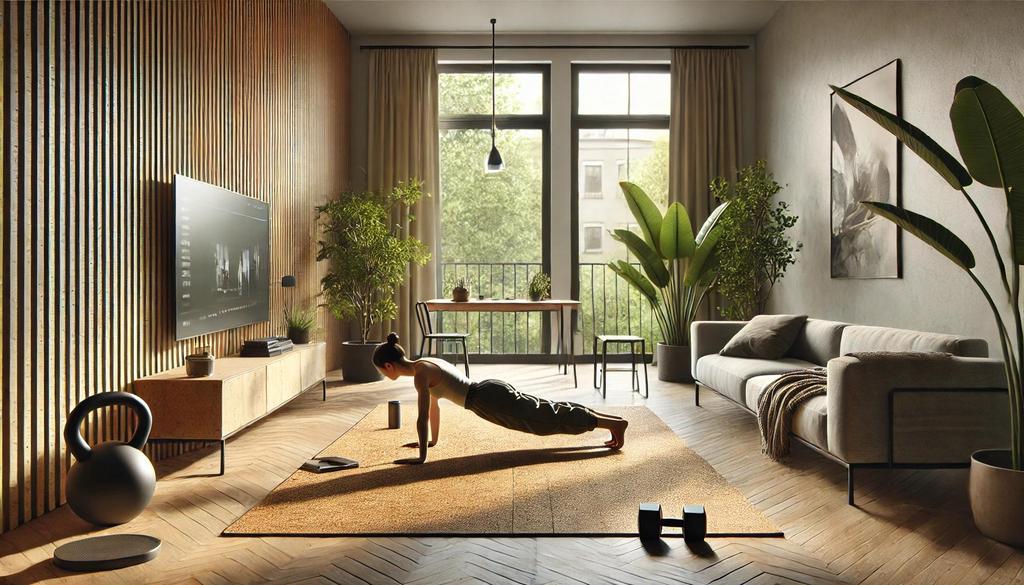
3. Practice Bodyweight Workouts
Bodyweight workouts provide a sustainable way to maintain fitness without the need for equipment. You can start with simple exercises like push-ups, squats, and lunges. Adjust your routine by varying your repetitions or trying different exercise variations to keep your muscles challenged.
Focusing on your form and breathing will enhance the effectiveness of your workouts. Each exercise targets different muscle groups, offering a balanced approach to staying fit in your living room. Planks and burpees can further increase your strength and endurance.
Consistency is key. Set aside specific times each day for your workouts to build a regular habit. If you’re looking for inspiration or guidance, online resources and apps can provide a wide range of routines tailored to your fitness level. Staying active at home can be both convenient and environmentally friendly.
4. Dance Like No One’s Watching
Transform your living room into a personal dance studio. Dancing is a fantastic way to stay active without any equipment or leaving your home. You can choose your favorite music, let loose, and enjoy moving to the rhythm.
Dance is not only beneficial for your physical health but also boosts your mood. As you sway and groove, you’re engaging various muscle groups and enhancing your flexibility.
If you want to learn new moves, there are countless online classes and tutorials available. From salsa to hip-hop, find styles that excite you and add variety to your routine.
No need for a large space. You need just enough space to move around comfortably. Dancing can quickly elevate your heart rate, providing a solid cardio workout. Embrace this fun and liberating exercise. Enjoy the freedom of expression and creativity it offers.

5. Create a DIY Home Circuit
Building a DIY home circuit offers a versatile and eco-friendly way to stay active inside your home. You can use minimal equipment or even just your body weight to get a full workout. The key is to design a series of exercises targeting different muscle groups.
Select exercises like push-ups, squats, lunges, and planks. Put them in an order that lets you move quickly. Keep the intensity high to maximize benefits and burn calories efficiently.
Timing is crucial for an effective circuit. Try working on each exercise for a set duration, like 30 seconds, followed by a brief rest period. Adjust the timing to suit your fitness level and increase durations as you get stronger.
Use household items to add variety and challenge. Stairs can become your new fitness tool for calf raises or step-ups. You can use a sturdy chair for tricep dips. Get creative and use what’s available in your home.
Making a DIY circuit enjoyable is essential. Play your favorite music or work out with a family member to keep motivation high. With just a bit of creativity, staying active at home becomes both sustainable and fun.
6. Use Resistance Bands for Strength Training
Adding resistance bands to your home workouts is a flexible and effective way to build strength. These bands are excellent for targeting different muscle groups without needing bulky equipment. They offer varying levels of resistance, making them suitable for all fitness levels.
You can perform exercises like squats, lunges, and bicep curls with resistance bands. Simply adjust the tension by shortening or lengthening the band. This adaptability makes it simple to progress in your workouts as you gain strength.
Their lightweight and portable nature is a plus. You can easily store them away when not in use, making them a perfect choice for small spaces. Additionally, resistance bands are budget-friendly, providing a low-cost solution for your strength training needs.
Using resistance bands enhances your strength and supports sustainable living. With no need to purchase large gym machines, you minimize resource usage and embrace a minimalist approach to fitness. Using these simple tools in your exercise routine helps you stay active and eco-conscious.

7. Stretch and Foam Roll Daily
Adding stretching and foam rolling to your daily routine enhances flexibility and reduces muscle tension. This practice supports joint health and improves your range of motion, which aids in preventing injuries. Set aside a few minutes each day to release muscle tightness and boost circulation, contributing to your overall well-being.
Foam rolling provides a gentle massage to your muscles, helping to break down knots and alleviate soreness. You can tailor these exercises to suit your schedule, whether you prefer a morning routine to kick-start your day or an evening wind-down.
All you need is a mat and a foam roller to start. Focus on areas that feel tense, rolling slowly to work out kinks. Stretching complements foam rolling by lengthening muscles and relieving stiffness. These activities require minimal equipment, making them eco-friendly and accessible in your home.
Regular practice encourages mindfulness, allowing you to connect with your body and identify tension spots. Take deep breaths during your routine to maximize relaxation and promote a sense of calm. Prioritizing these exercises contributes to your physical health and supports a sustainable lifestyle that requires minimal resources.
8. Switch to Sustainable Workout Mats
Working out at home can be both eco-friendly and comfortable when you switch to sustainable workout mats. Manufacturers craft these mats from biodegradable materials like natural rubber, cork, or jute, often sourced from renewable resources.
Choosing a mat made from these sustainable materials not only benefits you but also supports eco-friendly practices. They provide excellent cushioning and grip, enhancing your exercise experience without contributing to environmental waste.
Many brands offer options free from harmful chemicals, ensuring cleaner air inside your home. Opting for sustainable mats is a simple yet impactful choice that aligns with green living, allowing you to enjoy your workout while consciously preserving the planet.

9. Track Your Steps with a Wearable Device
Using a wearable device to track your steps is an easy way to stay active at home. These gadgets help you monitor your daily activity levels and set achievable goals. You can use this data to see patterns in your activities and make adjustments as needed.
Wearable devices often come with features that encourage movement throughout the day. They can remind you to get up and move if you’ve been sitting for too long. This can be especially beneficial when you’re working or relaxing at home.
Many devices also sync with your smartphone, allowing you to view detailed reports of your activity. This helps identify the times during the day when you’re most active or might need to increase your movement.
Having this information at your fingertips can motivate you to stay more active. It provides a sense of accomplishment as you watch your step count increase. Staying accountable is easier when you can see your progress unfold in real time.
10. Adopt Indoor Gardening as Light Exercise
Indoor gardening offers a unique blend of tranquility and light physical activity. Imagine tending to vibrant plants as you stretch, bend, and reach to care for them, turning your living space into a mini greenhouse. You’ll find yourself engaged in moderate movements that can improve flexibility and gently elevate your heart rate without strenuous effort.
Caring for plants encourages mindfulness and can be a refreshing escape from daily stressors. As you prune leaves or water succulents, you become more attuned to the cycles of growth and nature’s subtleties. This practice not only benefits your physical health but also nourishes your mental well-being.
Experimenting with different plants provides variety, keeping the activity engaging and rewarding. You might explore herbs, ferns, or even small fruit-bearing plants that thrive indoors. This variety can enhance your gardening skills while making your indoor environment a more vibrant and healthier place to live.

Conclusion: Embracing Eco-Friendly Fitness at Home
Incorporating eco-friendly fitness practices into your daily routine allows you to enhance your health while making a positive impact on the environment. By exploring the ten activities outlined above, such as bodyweight workouts, yoga, and indoor gardening, you can stay active and promote sustainability from the comfort of your home.
Staying fit does not have to involve a significant environmental footprint. With options like resistance bands, sustainable workout mats, and digital fitness tools, you can engage in effective exercises without consuming excessive resources. These sustainable methods help you maintain an active lifestyle while aligning with eco-conscious values.
Adopting healthier habits at home not only supports your overall well-being but also fosters a sense of responsibility toward the planet. As you integrate these practices into your daily life, you contribute to a healthier future for yourself and the environment. Embrace these eco-friendly fitness strategies to create a balanced lifestyle where well-being and sustainability go hand in hand.


