
It is critical to maintaining proper hydration for your health. If you don’t drink enough water, you become dehydrated – which causes headaches, weariness, muscle cramps, low blood pressure, a high heart rate, and skin problems. Furthermore, dehydration for an extended period could result in catastrophic issues such as organ failure. Thus, the importance of water-rich foods can’t be understated.
Health experts recommend consuming several glasses of water daily to achieve your hydration needs. However, while drinking water is essential, you can also obtain it from food. Foods’ water content is often overlooked. Many nutritious foods can help you get a lot of water. Here are 15 water-rich foods that can help you stay hydrated.
1. Watermelon

Water content: 92%
Watermelon is a nutrient-dense fruit that is also one of the most hydrating. A one-cup (154-gram) portion contains more than half a cup (118 ml) of water, fiber, and other vital nutrients like vitamin A, vitamin C, and magnesium. It also has low-calorie content, with only 46 calories per cup.
Watermelons have a low-calorie density due to their high water content. That means that a considerable portion of watermelon has a low-calorie content. Low-calorie-density foods have been demonstrated to aid weight loss by increasing fullness and decreasing hunger.
Watermelon also contains a lot of antioxidants, including lycopene. This chemical has been investigated for its capacity to minimize oxidative cell damage, which has been connected to disorders like diabetes and heart disease.
Watermelon can be consumed as a delightful snack or a healthy dessert. It’s also widely used in smoothies, salads, and as a side dish with Southern fried chicken.
2. Strawberries

Water content: 91%
Strawberries are a hydrating food because of their high water content. Since water makes up 91% of the weight of strawberries, consuming them will help you meet your daily water requirements. Strawberries also contain fiber, disease-fighting antioxidants, and vitamins and minerals, including manganese, vitamin C, and folate.
Regularly eating strawberries has been shown to lower inflammation, which can help protect against Alzheimer’s, diabetes, heart disease, and various types of cancers. In addition, strawberries can be easily incorporated into your diet by blending them into smoothies or adding them to oatmeal or salads. They also make a fun twist on sandwiches and wraps.
3. Cantaloupe

Water content: 90%
Cantaloupe is a highly nutritious melon that may benefit your health in various ways. One cup (177 grams) of cantaloupe contains roughly 90% water and provides more than half a cup (118 ml) of water per serving. One cup of cantaloupe also offers 2 grams of fiber, which, when combined with water, promotes fullness and suppresses hunger.
Cantaloupe is also high in vitamin A, with a 1-cup (177-gram) serving providing 120% of your daily needs. Vitamin A has been found in studies to improve immunological health by defending against infection. Cantaloupe can be eaten alone or mixed into smoothies, yogurt, salads, or salsa. It’s also a fantastic breakfast side dish.
4. Peaches
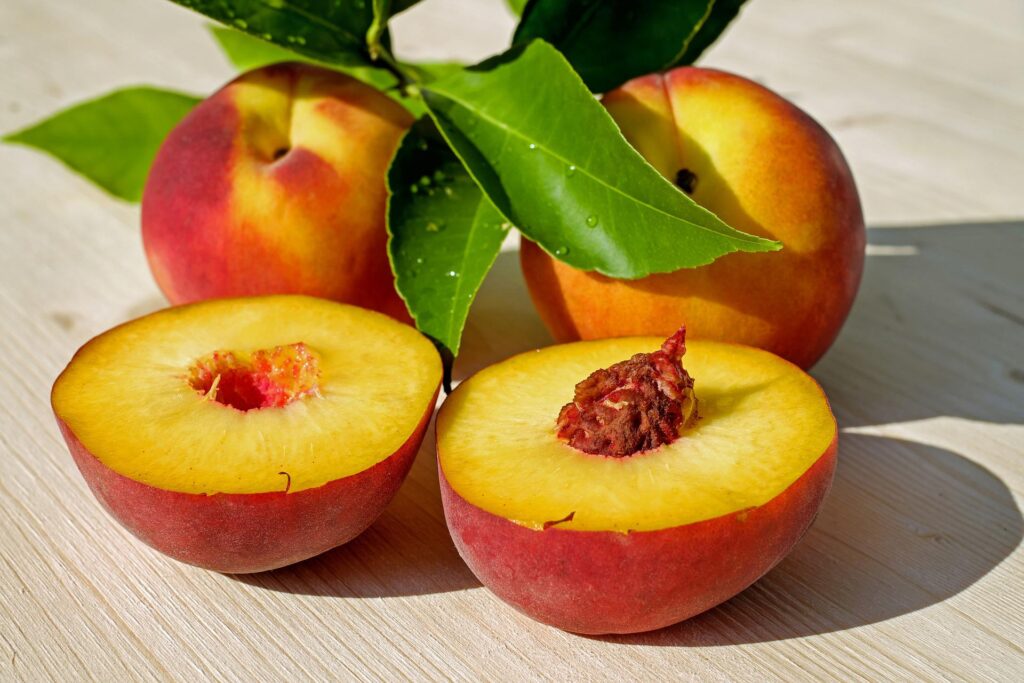
Water content: 89%
Peaches are a hydrating and nutrient-dense fruit. Water makes up over 90% of their weight. They contain vitamins A, B, C, and potassium, among other nutrients. Eating peaches with the peel on may also provide disease-fighting antioxidants such as chlorogenic acid.
Peaches are satisfying and low in calories due to their high water and fiber content, with only 60 calories in one medium peach. Peaches are easy to incorporate into your diet. They are typically consumed alone or tossed into smoothies and salads, but they also go well with cottage cheese and yogurt.
5. Skim Milk
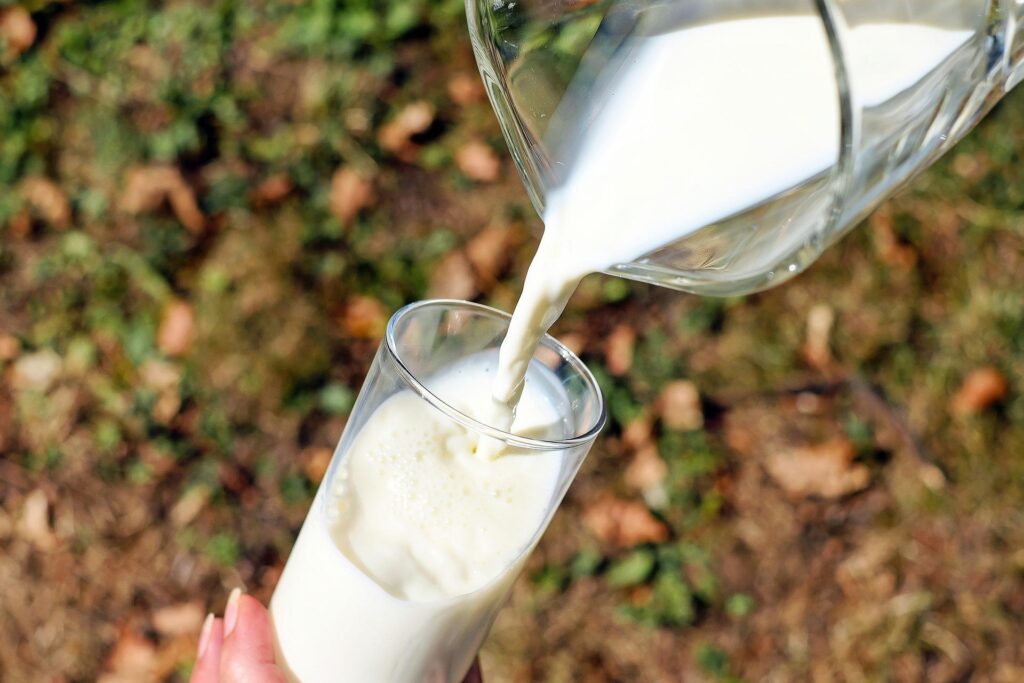
Water content: 91%
Skim milk is packed with nutrients. It’s primarily made up of water and contains many vitamins and minerals, including vitamin B12, riboflavin, vitamin A, calcium, potassium, and phosphorus. Remember, in the absence of vitamin B12, you might need to look on the internet for B12 injections near me, so it is better to consider vitamin B12-rich foods.
Milk can aid with overall hydration as well as rehydration after strenuous exercise. Low-fat milk, compared to sports drinks or plain water, has been demonstrated in a few trials to assist people in staying hydrated after a workout. This is partly due to milk’s electrolytes and protein content, which may aid in rehydrating the body. In addition, milk is easy to integrate into your diet because it is commonly available and inexpensive.
6. Cucumber

Water content: 95%
Cucumbers are another hydrating and healthful food to add to your diet. They’re almost entirely made of water, with small amounts of vitamin K, potassium, and magnesium. As a result, cucumbers have the lowest calorie count of all the water-rich veggies. A half-cup (52-gram) portion has only eight calories and is highly refreshing due to its high-water content.
Cucumbers can be consumed in significant quantities without adding many calories to your diet, which is beneficial for weight management. In addition, cucumbers are simple to integrate into your diet. They are frequently used in sandwiches and salads but can also be used in cooked foods such as stir-fries, soups, and even scrambled eggs.
7. Lettuce

Water content: 96%
Lettuce provides several health benefits. In addition to 1 gram of fiber, one cup (72 grams) of lettuce contains more than a quarter cup (59 ml) of water. It also delivers 5% of your daily folate requirements. Folate is essential for pregnant women since it helps avoid neural tube abnormalities. Furthermore, lettuce is rich in vitamins A and K, which have been examined for their involvement in maintaining bone and immune system health.
Furthermore, lettuce’s combination of water and fiber makes it particularly filling for a portion of low-calorie food. For example, a one-cup (72-gram) portion contains only ten calories. Salads are a simple way to incorporate lettuce into your diet. You can also use it as a “bun” for burgers or as a wrap instead of a tortilla to replace less-hydrating grains and as a gluten-free option.
8. Zucchini

Water content: 94%
Zucchini is a healthy vegetable with a variety of health benefits. A 1-cup (124-gram) portion of chopped zucchini comprises over 90% water and 1 gram of fiber. Both of these ingredients are excellent for keeping you full. Zucchini is very low in calories by volume, with just 20 calories per cup due to its high-water content. Zucchini provides various essential nutrients to your diet, particularly vitamin C, since one cup contains 35% of your daily requirement. Vitamin C is necessary for a healthy immune system and may aid in the prevention of a variety of ailments.
Eat zucchini as a side dish or add it to omelets, stir-fries, soups, and salads to incorporate into your diet. It can also be chopped into strips to make gluten-free “noodles” that can be used in place of ordinary pasta.
9. Celery

Water content: 95%
Celery is a hydrating and highly beneficial food to incorporate into your diet. It’s primarily water, with a 1-cup serving containing about half a cup (118 ml). This helps to explain why it has a low-calorie content of only 16 calories per cup.
Celery, like other water-rich veggies, is an excellent weight-loss food because of its high water content and low-calorie count. Celery also provides fiber and many vital nutrients. It’s especially abundant in potassium and vitamin K, which may help protect against cancer, heart disease, and bone problems like osteoporosis.
Celery is easy to integrate into your diet because it may be consumed raw or cooked. You may eat celery sticks with nutritious dips like hummus, homemade peanut butter, and Greek yogurt or add it to salads, stews, and soups.
10. Tomatoes

Water content: 94%
Tomatoes have a high nutritional profile and provide various health benefits. For example, a single medium tomato contains a half cup (118 ml) of water. It also provides many vitamins and minerals, including the immune-boosting vitamins C and A.
Tomatoes have a low-calorie count due to their high water content, with just 32 calories in a 1-cup (149-gram) portion. Tomatoes are also rich in fiber and antioxidants such as lycopene, which can help fight disease. Lycopene has been investigated for its ability to reduce the risk of heart disease and may even help prevent prostate cancer. Water-rich tomatoes are delicious in salads, omelets, soups, sauces, salsa, sandwiches and mix well with many other foods.
11. Bell Peppers

Water content: 92%
Bell peppers are another extremely healthy vegetable that has many health benefits. Water makes up over 90% of the weight of bell peppers. They are high in fiber, vitamins, and minerals like B vitamins and potassium. Bell peppers are also rich in carotenoid antioxidants, which may help prevent eye diseases and certain cancers.
Furthermore, compared to other fruits and vegetables, bell peppers have the most significant quantity of vitamin C, providing 317% of your daily requirements in just one cup (149 grams). Vitamin C benefits your immune system, helps your body absorb iron more effectively, protects your cells from free radical damage, and supports bone health.
Bell peppers are low in calories, with only 46 calories per cup, due to their high water content (149 grams). Bell peppers can be incorporated into your diet in a variety of ways. They can be eaten fresh in salads, cooked with sauces, stuffed with meat, or tossed into veggie stir-fries.
12. Cauliflower
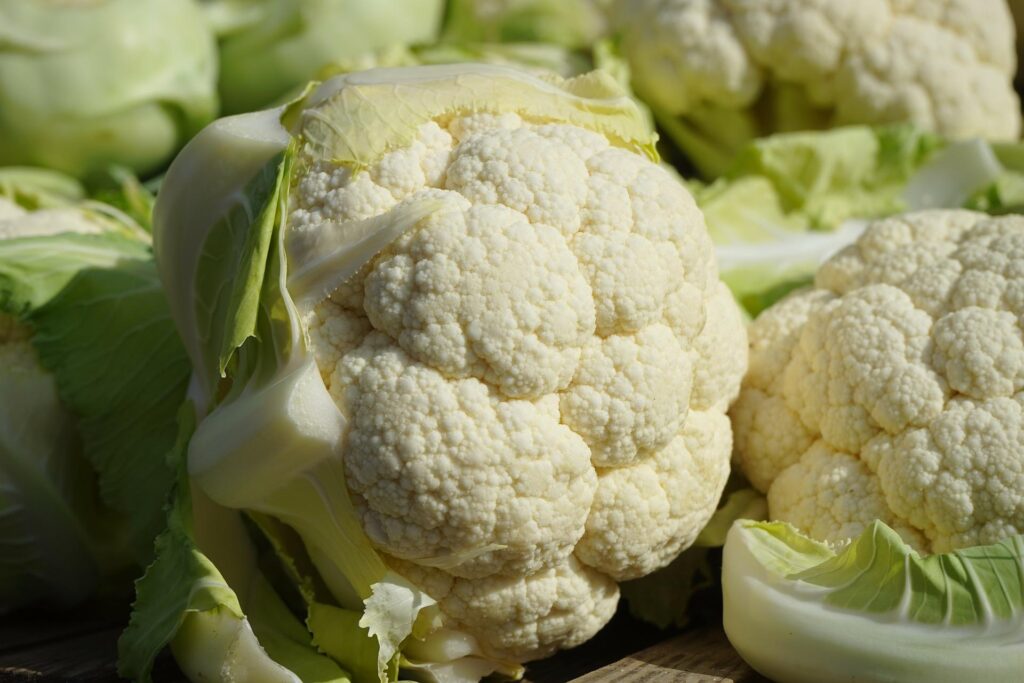
Water content: 92%
Cauliflower is a nutritious and hydrating vegetable that you should include in your diet. Cauliflower contains over one-fourth cup (59 ml) of water and 3 grams of appetite-suppressing fiber in one cup (100 grams). With only 25 calories per cup, its high-water content contributes to its low-calorie count.
Cauliflower also provides over fifteen vitamins and minerals, including choline, a nutrient that isn’t present in many foods. Choline is a vitamin that is essential for brain function and metabolism. Furthermore, cauliflower can substitute for less-hydrating gluten grains by coarsely chopping it into “rice” or making a cauliflower-based pizza crust.
13. Cabbage

Water content: 92%
Cabbage is a cruciferous vegetable that is highly healthful. It has a low-calorie count but is high in fiber and minerals. It’s also high in vitamin K, vitamin C, folate, and several trace minerals, all of which may have health-promoting properties.
For example, vitamin C is well-known for its anti-inflammatory properties and has been shown to reduce the risk of chronic diseases like diabetes and heart disease. Cabbage also contains glucosinolates, antioxidants believed to protect against certain cancers, such as lung cancer. In addition, cabbage is commonly fermented into sauerkraut, which is high in water and may help with digestion.
14. Grapefruit
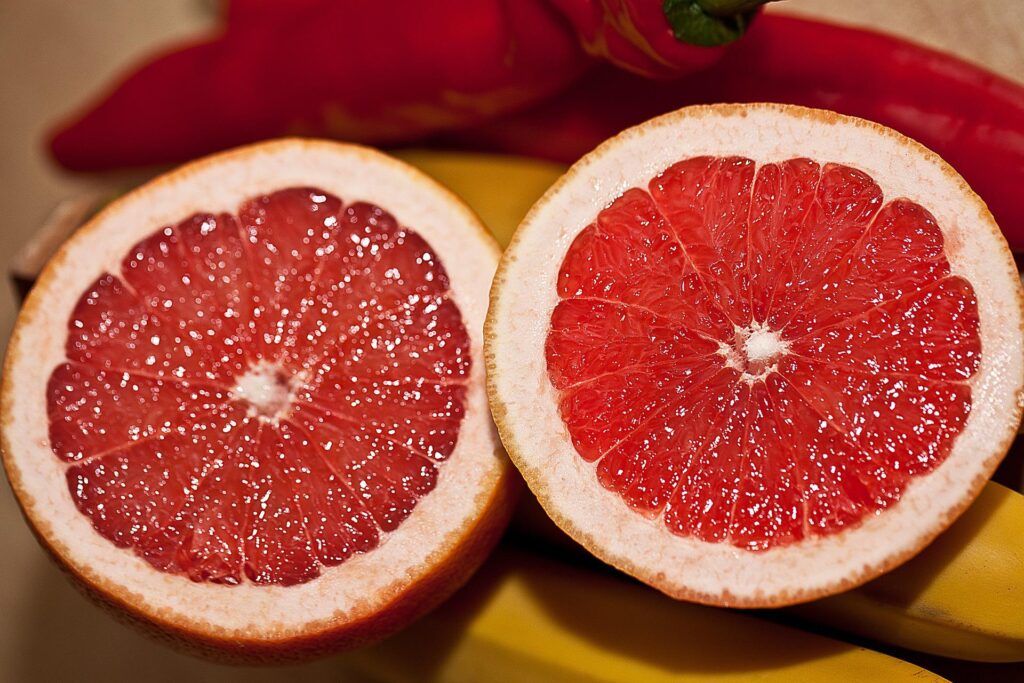
Water content: 88%
Grapefruit is a very healthy citrus fruit that has numerous health benefits. For example, half a grapefruit (123 grams) contains nearly a half cup (118 grams) of water, which helps you meet your daily hydration needs.
Grapefruit is also high in fiber, antioxidants, and vitamins and minerals such as vitamin A, potassium, and folate. It’s particularly abundant in immune-boosting vitamin C, with half a grapefruit supplying 120% of your daily needs (123 grams). In addition, according to several studies, having grapefruit in your diet can help you lose weight while lowering blood sugar levels, blood pressure, and cholesterol.
Water-rich grapefruit is easy to incorporate into your diet by eating it alone, mixing it into smoothies, or tossing it into salads with other foods.
15. Coconut Water

Water content: 95%
Coconut water is a hydrating beverage that is highly nutritious. It’s not only incredibly high in water but also electrolytes like chloride, potassium, and sodium. Coconut water has been demonstrated in studies to be beneficial for rehydrating. It’s also known to aid exercise recovery thanks to its electrolyte content.
Since many sports drinks are filled with added sugar and other unhealthy ingredients, drinking coconut water after training is a much healthier option than drinking a commercial sports drink. For example, a one-cup (237-ml) portion of Gatorade contains 13 grams of sugar, which is 50% higher than the same quantity of coconut water.
Conclusion
Staying hydrated is crucial for maintaining good health and well-being. While drinking water is essential, it’s important to recognize that you can also obtain water from food. Incorporating water-rich foods into your diet is a practical and enjoyable way to stay hydrated.
By consuming water-rich foods, we not only benefit our own health but also minimize food waste. Water-rich fruits and vegetables such as watermelon, strawberries, cantaloupe, peaches, and cucumbers are not only delicious foods but also hydrating.
Maintaining hydration is essential for numerous bodily functions, including regulating body temperature, supporting digestion, and promoting healthy skin. Dehydration can lead to a variety of health issues, including headaches, fatigue, and muscle cramps. By incorporating water-rich foods like lettuce, tomatoes, and bell peppers, we can help meet our hydration needs and support optimal health.
Additionally, these water-rich foods are packed with essential vitamins, minerals, and antioxidants. For example, strawberries are rich in vitamin C and antioxidants that protect against inflammation and chronic diseases. Cucumbers are a refreshing and hydrating snack that also provides important minerals like potassium and magnesium.


